Moving Into a Melbourne Apartment? 10 Things to Organise Before Moving Day
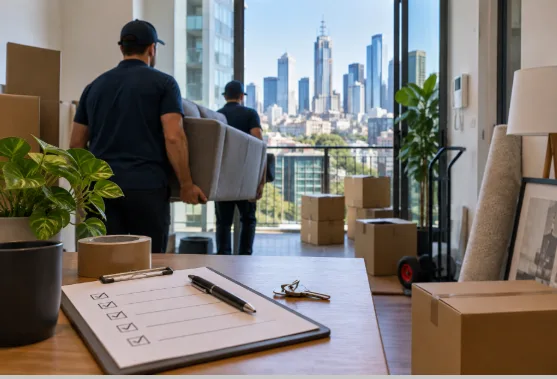
Apartment moves in Melbourne rarely go wrong because of the packing. They go wrong because nobody booked the lift, the truck couldn’t find a park, or the couch turned out to be two centimetres too wide for the hallway. Most Melbourne Movers will tell you the same thing: the move itself is the easy part once everything around it is sorted first.
If you’re moving into an apartment building, the second you have a settlement or lease start date, there are ten things worth locking in. Doing this early and moving day becomes a formality. Leave it late and you risk turning up with a full truck and nowhere to unload it.
Key Takeaways
- Book the service lift and confirm building access hours as soon as you have a date, ideally two to four weeks out.
- Get written approval from the building or body corporate manager, not just a verbal yes.
- Apply for a parking permit or loading zone reservation if your street has restrictions.
- Measure doorways, hallways, lift interiors and stairwells before assuming furniture will fit.
- Choose off-peak moving times to avoid lift queues and lift-locked lobbies.
- Take out transit and public liability cover, since building damage during a move is not automatically covered.
- Book the Service Lift Early
Most Melbourne apartment buildings run a shared goods or service lift, and residents typically need to reserve it through the building manager or concierge. Booking windows fill up fast in high-density buildings, so this should be one of the first calls you make.
Some buildings only release bookings two to three weeks in advance, while others take requests months out for weekend slots. If your building doesn’t have a dedicated service lift, ask whether the passenger lift can be used for moves and whether it needs protective padding fitted first, since scratched lift panels are a common source of building disputes.
- Confirm Loading Zone Access
A loading zone near the entrance decides how far your removalist has to carry every box. In dense pockets like Southbank, Docklands, the CBD and St Kilda, dedicated loading zones are often metered, time-limited, or already occupied by delivery vehicles.
Check with the building manager whether the property has an allocated loading bay, and if not, scope out the nearest public loading zone and its time restrictions before moving day. If there’s no loading zone at all, your removalist will need to double-park briefly or use a longer carry distance, both of which are worth flagging when you get your quote.
- Get Building Manager or Body Corporate Approval
Verbal approval isn’t enough. Most owners corporations require written confirmation of your move, including the date, time window, and which lift and entrance you’ll be using. Some buildings also charge a refundable bond against damage to common property, typically returned within a week or two after the move if nothing is damaged.
Ask specifically about:
- Approved moving hours (many buildings restrict moves to weekdays, 8am to 5pm)
- Whether a certificate of currency for insurance is required from your removalist
- Any bond amount and how it’s refunded
- Sort Parking for the Truck
Where the truck parks affects everything else about the move. If your street has clearways, permit zones, or no direct loading access, the City of Melbourne allows residents and businesses to apply for a short-term reserved parking permit to secure a bay for removals, building maintenance or similar activities near the property.This lets you temporarily reserve a parking bay or get an exemption from time limits and fees when off-street parking isn’t an option, and it covers activities including removalists.
Applications generally need a few business days to process, so submit early rather than assuming you’ll find a spot on the day. In inner suburbs with heritage streetscapes and narrow roads, this single step often prevents the biggest delay of the whole move.
- Measure Every Narrow Entrance
Melbourne apartment buildings vary wildly in doorway width, corridor turns and lift dimensions, especially in older conversions and heritage buildings. Before assuming your furniture will go in, measure:
- The front door and any internal doorways along the route
- Hallway width at its narrowest turn or corner
- Lift interior dimensions and door opening width
- Stairwell width if the lift can’t be used
If a sofa or wardrobe won’t clear these measurements, it’s far cheaper to know before moving day than to have it discovered on-site, where the only options are disassembly, a crane hire, or leaving it behind.
- Choose Your Moving Time Carefully
Lift access and building traffic both spike at predictable times. Weekday mornings and end-of-month weekends are typically the busiest for building lifts, since that’s when most leases start and end. Booking a mid-week, mid-month slot, or an early morning window, usually means less queueing for the lift and a faster unload.
If your building only allows moves within business hours, build in a buffer. A move estimated at three hours can easily stretch to four once lift waiting time is factored in.
- Measure Your Furniture Against the New Space
Separate from doorway measurements, check that oversized items will actually work in the new apartment. Melbourne apartments, particularly one and two-bedroom units, often have smaller floor plates than the house you might be moving from. Measure:
- Ceiling height for tall wardrobes or bookshelves
- Floor space for bed frames and dining tables
- Balcony access if any furniture needs to go via a balcony rather than through the building
- Pack With the Lift in Mind
Apartment moves usually mean several lift trips rather than one continuous carry, so packing strategy matters more than in a house move. Use smaller, denser boxes for heavy items like books, since they’re easier to manage in a confined lift. Label every box with its destination room, and keep an essentials box (medication, chargers, toiletries, a change of clothes) separate so it’s the last thing loaded and first thing off.
Wrap fragile items individually and mark those boxes clearly, since multiple lift trips mean more handling and more opportunities for something to get knocked.
- Check Your Insurance Before Moving Day
Most standard home and contents policies don’t automatically cover items while they’re in transit or being carried through a building. It’s worth confirming two things before moving day: that your belongings are covered under a transit or removalist’s insurance policy while in the truck, and that your removalist carries public liability insurance in case a lift, wall or door gets damaged during the move.
Many buildings will ask to see a certificate of currency for the removalist’s public liability cover before approving access, so request this document ahead of time rather than on the morning of the move.
- Prepare Everything the Night Before
The final step is making sure moving day itself runs without surprises. The night before, disconnect and defrost appliances, confirm your lift booking time directly with the building manager, and do a final walkthrough of measurements against the moving plan.
On the day, keep hallways and common areas clear of obstructions, have your lift fob or access key ready for the removalist team, and protect floors and door frames with blankets or cardboard where the route is tight. A five-minute briefing with your removalist about the building’s specific quirks, narrow corners, a tricky lift door, a low balcony rail, saves far more time than it costs.
Getting It Right Before the Truck Arrives
Apartment moves succeed or fail on logistics, not muscle. Lift bookings, parking permits and building approval all need lead time, often one to four weeks depending on the building and council area, so the earlier these are locked in, the less pressure sits on moving day itself. Everything else, packing, furniture placement, insurance, comes together far more smoothly once access is sorted.
Whether you need apartment specialists or general house movers in Melbourne, choosing a removalist who handles building requirements daily means they’ll already know what questions to ask about your specific building, rather than discovering the narrow entrance or lift booking requirement on the day.