My Experience Using a Boneless Sofa – Honest Review
Introduction: Why I Chose a Boneless Sofa
I started looking into boneless sofas because my living situation made a traditional couch feel like more trouble than it was worth. I live in a smaller space, move fairly often, and wanted something comfortable without dealing with heavy frames, awkward delivery, or high prices. I wanted a sofa that could fit my apartment easily, feel cozy after a long day, and not turn moving day into a nightmare.
I first came across boneless sofas while scrolling through home reviews and apartment setup posts online. People kept talking about how soft they were, how easy they were to move, and how they arrived compressed in a box. That sounded almost too good to be true, which definitely caught my attention.
Before buying, I had mixed expectations. I hoped the sofa would be comfortable enough for daily lounging and movie nights, but I also worried it might feel too soft, lose its shape quickly, or lack proper support. I wasn’t sure if a frameless sofa could really work as an everyday couch—or if it would just look good in photos.
This review is for anyone in a similar spot: apartment renters, people who move often, or anyone who prefers casual, relaxed seating over stiff, formal sofas. If you’re considering a boneless sofa and want an honest, real-use perspective before buying, this is my experience.
What Is a Boneless Sofa? (In Simple Terms)
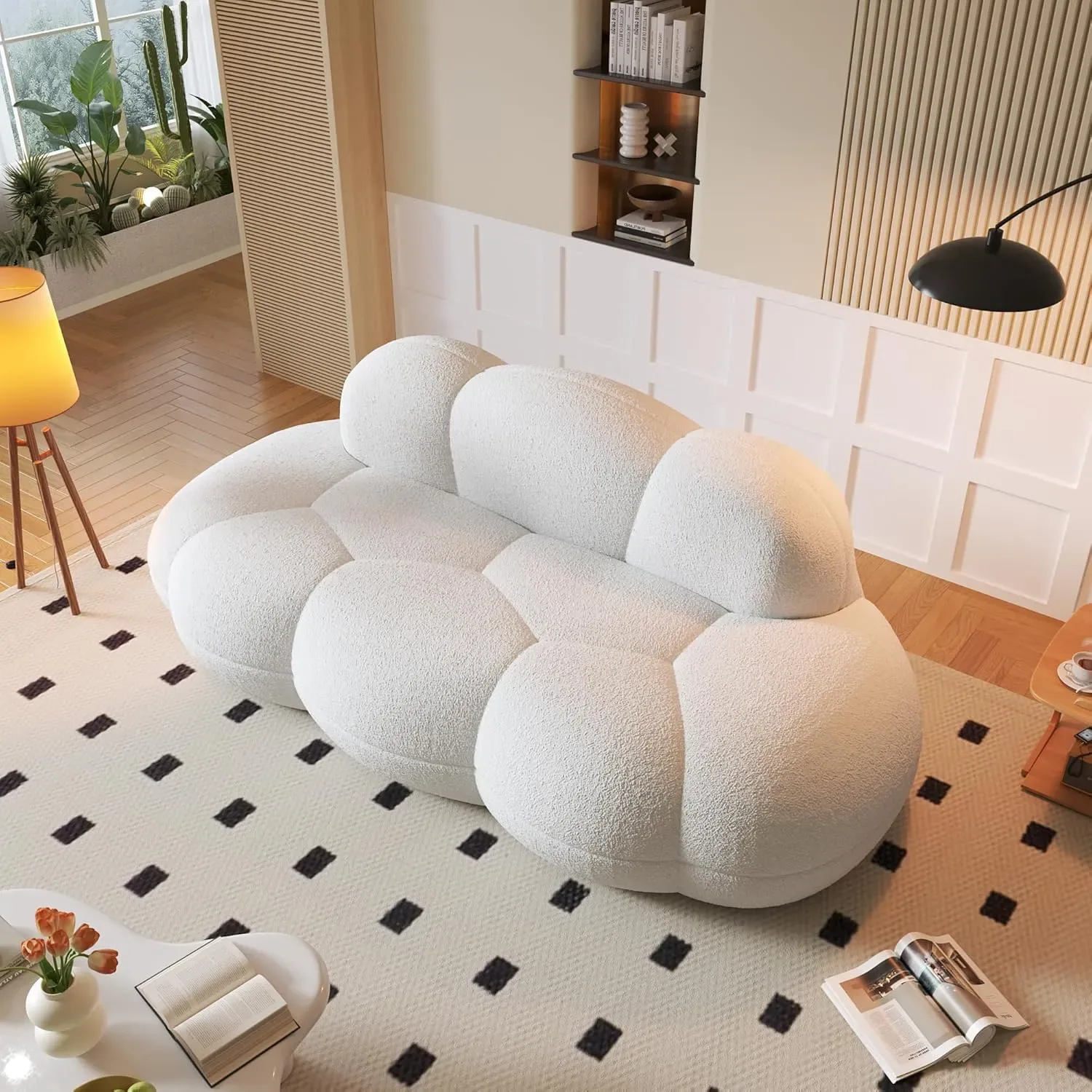
In the simplest terms, a boneless sofa is a couch without a hard internal frame. Unlike traditional sofas that rely on wood, metal, springs, or suspension systems, a boneless sofa is made almost entirely from layers of dense foam wrapped in fabric. There’s no rigid skeleton inside—just structured cushioning that gives the sofa its shape.
As someone who’s owned framed couches before, this was the biggest difference I noticed right away. Traditional sofas feel heavy, stiff, and hard to move. Boneless sofas, on the other hand, feel lighter, softer, and much more flexible. You can shift them around easily without worrying about scraping floors or struggling through narrow doorways.
The “no frame, no springs” design is what really appealed to me. Without springs pushing back, the seat has more of a sink-in, relaxed feel—almost like sitting on a giant cushion. It’s especially comfortable for lounging, stretching out, or sitting cross-legged, which is how I use my sofa most of the time.
Why This Design Worked for Me
I liked the idea of:
- Not dealing with heavy furniture when moving
- Getting a sofa that could arrive in a box
- Having something softer and more casual than a formal couch
It felt better suited to real apartment living rather than a showroom setup.
Quick Pros and Cons (Before Ownership)
Pros I noticed right away:
- Lightweight and easy to move
- Very soft and comfortable for lounging
- No assembly or tools needed
- Works well in small or tight spaces
Concerns I had:
- Would it offer enough back support?
- Would the foam hold its shape over time?
- Would it feel too low or too soft for daily use?
Those questions are exactly why I wanted to test one in real life—and share what it’s actually like to live with a boneless sofa day to day.
First Impressions: How It Felt on Day One
The very first thing I noticed when I sat down was how soft it felt right away. The boneless sofa has that instant sink-in comfort—you don’t perch on it, you kind of melt into it. On day one, the foam was still expanding, so it felt extra plush, almost like sitting on a thick floor cushion rather than a traditional couch.
Seat Depth & Lounging Position
The seat depth was deeper than I expected, in a good way. Sitting upright felt fine for short periods, but the sofa clearly encourages lounging rather than formal sitting. I naturally ended up pulling my legs up, sitting cross-legged, or leaning to one side. It felt more like a relaxed lounge spot than a “sit straight and behave” sofa.
If you like curling up with a blanket or watching TV in a laid-back position, this kind of seat depth really works. Shorter users might find the depth a bit much at first, but adding a pillow behind your back helps a lot.
Back Support: Expectations vs. Reality
Going in, I didn’t expect strong back support—and that expectation turned out to be accurate. The backrest felt soft and flexible, not structured. It supported me enough for casual sitting, but it didn’t “hold” my posture the way a framed sofa does.
That said, it wasn’t uncomfortable. It just felt different. I wouldn’t choose this sofa for working on a laptop all day, but for relaxing, scrolling, or watching TV, it felt perfectly fine—even comfortable.
Looks in My Space vs. Online Photos
Visually, the sofa looked very close to the photos online, which was a relief. The shape was clean and modern, and once it started expanding, it didn’t look flat or underfilled. In my space, it actually looked a bit more casual and softer than the product images, which often show it styled very neatly.
Because it sits lower and has no visible frame, it gives the room a relaxed, cozy vibe. If you’re expecting a sharp, formal look, this probably isn’t it—but if you like a laid-back, modern aesthetic, the boneless design fits in really naturally.
Day-one takeaway: incredibly soft, very lounge-friendly, lighter on support than a traditional sofa—but exactly what I expected from a boneless couch.
Unboxing & Setup: The First 24 Hours
Delivery Experience
The sofa arrived compressed in a single, rectangular box, similar to how a mattress-in-a-box is delivered. The box was compact enough to fit into my building’s elevator without any issues, and I honestly think it would’ve been manageable even on stairs.
In terms of weight, it was surprisingly manageable. One person can handle it with some effort, especially if you slide or tilt the box rather than lifting it straight up. That said, if you’re carrying it up multiple flights of stairs, having a second person would definitely make things easier—but it’s not required.
What stood out to me most was how renter-friendly the delivery felt. No giant freight truck, no oversized packaging, and no worrying about tight hallways or door frames.
Setup Time (Realistic)
Setup was genuinely quick. From cutting open the box to having the sofa in place, it took me about 10–15 minutes total.
There were no tools, no screws, and no instructions to decode. I just:
- Opened the box
- Removed the plastic wrap
- Let the sofa unfold and settle into place
Once unboxed, the foam started expanding almost immediately. Within 1–2 hours, it already looked close to its final shape and was comfortable enough to sit on. That said, it continued to firm up and fully expand over the next 24–48 hours. Some models can take up to 72 hours to reach their final form, especially thicker or deeper seats.
No Tools, No Stress (Any Surprises?)
There were no real surprises—just one small thing to note: right out of the box, the sofa felt extra soft and a bit low. After a day or two, once the foam fully expanded, it felt noticeably more supportive and balanced.
Overall, the unboxing experience was easy, fast, and low-stress, especially compared to traditional sofas that require assembly, heavy lifting, or professional delivery. If you’ve ever struggled with moving a full-frame couch, this felt like a huge upgrade.
Daily Use Experience (After Weeks & Months)
After living with the boneless sofa for a while, the biggest question I had was whether that cozy first-day comfort would last—or if it would start feeling flat and worn out. Overall, the experience has been better than I expected, with a few clear trade-offs.
Comfort Over Time
After several weeks of daily use, the sofa still feels comfortable, but in a more broken-in way. The foam isn’t as bouncy as day one, yet it hasn’t collapsed either. It feels softer and more settled, which I actually prefer for lounging.
That said, support depends a lot on how you use it. The base foam holds up well, but the back cushions need regular fluffing to keep their shape. If I forget to rotate or adjust them, they start to look a bit slouchy—even if they still feel fine to sit on.
I haven’t noticed any major sagging, but there is some natural compression in the spots I sit in most often. It’s not uncomfortable—just a reminder that this isn’t a rigid, framed sofa designed to look perfectly crisp all the time.
Foam Rebound & Shape Retention
The foam rebounds slowly rather than snapping back instantly. When I stand up, you can see where I was sitting for a few seconds, but it smooths out with light fluffing or by the next day.
Compared to traditional sofas, it definitely requires more hands-on maintenance, but that’s part of the boneless design. If you’re okay treating it like a large, supportive lounge cushion rather than a structured couch, it holds up reasonably well over time.
Lounging vs. Sitting Upright
This is where the sofa really shows its personality.
For lounging activities—watching TV, scrolling on my phone, reading, or taking short naps—it’s excellent. The deep seat and soft back make it easy to relax without feeling stiff or restricted.
For upright sitting, like long conversations or working on a laptop, it’s just okay. I usually need an extra pillow behind my back to stay comfortable for more than an hour. It’s not uncomfortable, but it doesn’t naturally encourage good posture.
Who This Seating Style Works Best For
From my experience, this sofa works best for:
- People who prioritize comfort and relaxation over posture
- Apartment dwellers who want a cozy, casual setup
- Anyone who likes to sit cross-legged, recline, or sprawl out
- TV watchers, gamers, and casual loungers
It’s less ideal for:
- People who need firm back support
- Those who sit upright for long work sessions
- Anyone expecting a sofa that looks perfectly structured at all times
Bottom line: After months of use, the boneless sofa stays comfortable and inviting—but it rewards relaxed habits and a little maintenance. If lounging is your main goal, it does its job well.
Living With a Boneless Sofa: Cleaning, Pets, and Everyday Mess
Once the novelty wore off, daily life with the boneless sofa became less about how it looks and more about how well it handles real messes. Between snacks, drinks, and the occasional lazy day, this is where it either earns its place—or doesn’t.
Cleaning & Maintenance
Fabric performance:
The fabric has held up better than I expected. Small spills (water, coffee splashes) bead up long enough to wipe away if I catch them quickly. For anything oily or dark, I’ve learned to blot immediately rather than rub. Stains haven’t completely disappeared on their own, but they also haven’t soaked in instantly, which helps.
Pet hair & lint:
Pet hair does stick, especially on softer or textured fabric, but a lint roller or handheld vacuum takes care of it in a minute or two. It’s not pet-hair-proof, but it’s manageable.
Removable covers — actually useful?
Yes, and more than I thought. Being able to unzip and wash the covers makes a big difference, especially for seat cushions. I don’t wash them often—maybe every few months—but knowing I can makes everyday mess feel less stressful. Just don’t expect them to look perfectly crisp right after washing; air-drying helps avoid shrinkage.
Fluffing & rotation routine:
I fluff the back cushions every few days and rotate seat cushions about once a month. If I skip this, the sofa starts looking a little tired—even if it still feels comfortable. This isn’t a “set it and forget it” sofa, but the maintenance is quick and low effort.
Pets, Kids, and Everyday Mess
Scratches & durability:
Claws are the biggest risk. The fabric hasn’t torn, but you can tell it’s not designed for aggressive scratching. A throw blanket or pet cover goes a long way if pets like to climb or knead.
Crumbs, spills, and accidents:
Crumbs fall into seams more easily than on structured sofas, but a vacuum nozzle solves that fast. Accidents are less scary when covers are removable, though I still wouldn’t want to deal with frequent spills.
Forgiving or high-maintenance?
I’d call it forgiving—but only if you stay a little proactive. It’s more relaxed than a stiff, formal sofa but does expect light upkeep. If you’re okay with fluffing, rotating, and occasional cleaning, it fits into everyday life pretty well.
Bottom line:
Living with a boneless sofa feels casual and low-pressure—as long as you accept that comfort comes with some maintenance. For homes with pets, kids, or daily lounging, it works best when you treat it like a cozy, lived-in space rather than a showroom piece.
Durability: Is It Holding Up?
This was honestly my biggest question before buying a boneless sofa. No frame, no springs—just foam and fabric—sounds great for comfort, but I wasn’t sure how it would age. After living with it for a while, here’s how it’s holding up in real life.
Foam Quality (From a User Perspective)
The foam has held its shape better than I expected. It’s still soft and comfortable, but it doesn’t feel collapsed or dead. When I stand up, the seat slowly rebounds instead of staying compressed. That said, it’s not “high-resilience foam” in the premium furniture sense—you can tell it’s designed for comfort, not long-term structural support.
The key difference is maintenance. If I fluff and rotate cushions regularly, it looks and feels good. If I don’t, it starts to look worn faster than a framed sofa would.
Compared to Traditional Sofas I’ve Owned
Compared to framed sofas I’ve had in the past:
- A traditional sofa felt firmer and more supportive long-term, especially for upright sitting.
- The boneless sofa is noticeably more comfortable for lounging, but it relies more on foam quality than structure.
My old framed couch lasted longer overall, but it also felt stiff and took up more space. This one feels more flexible and forgiving day-to-day, even if it may not survive a decade of heavy use.
Realistic Lifespan Expectations
Short-term (1–2 years):
No issues at all. Comfort stays consistent, and the sofa still looks good with light upkeep.
Mid-term (3–5 years):
This is where I expect some visible wear—mainly softer spots in high-use areas. Still usable and comfortable, just less “new-looking.”
Long-term (5+ years):
I don’t expect it to age as gracefully as a well-built framed sofa. At this point, replacing individual cushions or modules will probably matter more than the sofa itself.
What I Think Will Wear Out First
- Seat foam in the most-used spot (especially where I always sit)
- Fabric in high-friction areas
- Less likely: zippers and seams, which seem decent so far
The good news is that none of these feel like sudden failure points—it’s more of a slow, gradual aging process.
Pros and Cons (After Real Use)
After spending real time with a boneless sofa, these are the things that genuinely stand out—both good and not-so-good.
What I Love
Comfort level
This is where the sofa really shines. It’s soft, cozy, and has that sink-in feel that makes you want to sit “just for a minute” and end up staying much longer. For relaxing, watching TV, or napping, it’s extremely comfortable.
Flexibility and modular feel
Even though it’s boneless, it still feels flexible in how it works in my space. It’s easy to shift sections around, change layouts, or adjust how I sit without feeling locked into one shape.
Easy moving and rearranging
Compared to traditional framed sofas, this one is much easier to move. I can lift and reposition pieces without help, which is a big win if you move often or like to refresh your layout.
Casual, relaxed vibe
It instantly makes the room feel more laid-back and inviting. It doesn’t feel stiff or formal at all, which I personally love for everyday living.
What I Don’t Love
Back support has limits
If you like sitting upright with firm support, this probably isn’t your ideal sofa. It’s comfortable, but it doesn’t “hold you up” the way a structured couch does.
Not ideal for formal spaces
The relaxed shape and soft look won’t work in every home. If your style leans more classic, polished, or formal, this sofa might feel out of place.
Requires occasional upkeep
To keep it looking good, I do need to fluff and rotate cushions from time to time. It’s not difficult, but it’s something you don’t usually think about with firmer sofas.
The softness isn’t for everyone
Some people prefer a firmer seat with more structure. If you don’t like sinking in or want strong posture support, the comfort level here might feel too soft.
Overall takeaway:
If comfort, flexibility, and easy living matter more to you than structure and formality, the pros easily outweigh the cons. But it’s definitely a sofa you choose for how you live, not just how it looks.
Who I’d Recommend a Boneless Sofa To
- Apartment renters or small-space dwellers
- Young professionals or frequent movers
- Casual loungers and TV watchers
Who Should Probably Skip It
- Those needing firm back support
- Fans of structured, upright sofas
- Homes with formal or classic interiors
Is a Boneless Sofa Worth It? (Honest Verdict)
Was it worth the money for me?
Absolutely. For the comfort, flexibility, and easy setup, it feels like a smart investment—especially if you live in an apartment or move frequently.
Would I buy it again?
Yes, I would. Knowing what I know now about comfort and maintenance, I’d still pick a boneless sofa for casual lounging and versatile living spaces.
What I’d do differently next time
I’d pay extra attention to foam density and fabric choice. Choosing a slightly firmer foam and a more durable, pet-friendly cover would make it last longer and handle daily wear even better.
One-sentence takeaway for readers
If you value cozy, flexible seating and a relaxed vibe over rigid structure, a boneless sofa is worth every penny.
Best Boneless Sofa in Sdorens Home
Signature Classic Boneless Loveseat
The Signature Classic Boneless Loveseat is a smart choice because it is strong and easy to move around. You can change how it looks to fit your room perfectly. The fabric is a soft mix of cotton and linen that lets air move so you stay cool and cozy. It also has soft foam and rounded corners to keep children safe while they play.
- Price: $449.99 after the 49% discount.
- Pros: It is easy to clean, stays bouncy, and fits well in small spaces.
- Specification: This couch is a “smart investment in timeless style” that works for lounging, working, or napping.
- Customer Review: There are no customer reviews for this couch yet.
Signature Cloud Boneless 3-Seater Sofa
This black sofa is shaped like a fluffy cloud and is very soft to touch. It is made with special Sherpa fabric that feels warm and cozy against your skin. The couch is safe for kids because it has no hard parts or sharp edges. It also has a base that does not slide, so it stays right where you put it.
- Price: $399.99 after the 60% discount.
- Pros: It has great back support and is super deep for taking naps.
- Specification: It has a “whimsical sculptural design” that looks like curves in the sky.
- Customer Review: A happy customer loves the black color because it does not show dirt easily.
Signature Armless Boneless Sofa Set
This light grey sofa set looks like waves in the ocean and comes with a big stool called an ottoman. It uses a cool 3D-knitted fabric that stays soft and lets air through so you do not get too hot. The seats are very deep, which gives you plenty of space to stretch out and relax. It is built with strong foam that stays bouncy and does not sink over time.
- Price: $1,099.99 after the 62% discount.
- Pros: It is very safe for children, feels soft, and the ottoman is great for extra guests.
- Specification: This set is “inspired by the serene, rolling beauty of the natural world”.
- Customer Review: A parent said the rounded corners are a big relief for their family with little kids.
Conclusion
Living with a boneless sofa has been a surprisingly comfortable and practical experience. For anyone who values cozy lounging, flexibility, and easy setup, it’s a great alternative to traditional framed couches. While it requires light maintenance and isn’t ideal for firm back support or formal spaces, the overall comfort and casual vibe make it perfect for apartments, young professionals, or frequent movers. Among the options I’ve tried, Sdorens Home offers standout choices, from the Signature Classic Loveseat to the Armless Boneless Sofa Set, combining softness, style, and practicality. If you’re looking for a relaxed, versatile sofa, Sdorens Home is worth checking out.
FAQs Based on My Experience
Q: Is a boneless sofa good for everyday use?
A: Yes, if you primarily lounge, nap, or watch TV. For upright, desk-style sitting, it’s less supportive.
Q: Does it lose shape quickly?
A: High-density foam holds up well. Occasional fluffing and rotating keeps it looking fresh.
Q: Is it bad for your back?
A: Not necessarily. It’s fine for casual use, but those needing firm support might find it too soft.
Q: How long does it realistically last?
A: With proper care, expect 5–7 years of comfortable use, similar to mid-range sofas.
Q: Is it good for small apartments?
A: Absolutely. Lightweight, modular, and easy to move—perfect for tight spaces.