Natural Stone Pool Coping: Benefits for Australian Homes
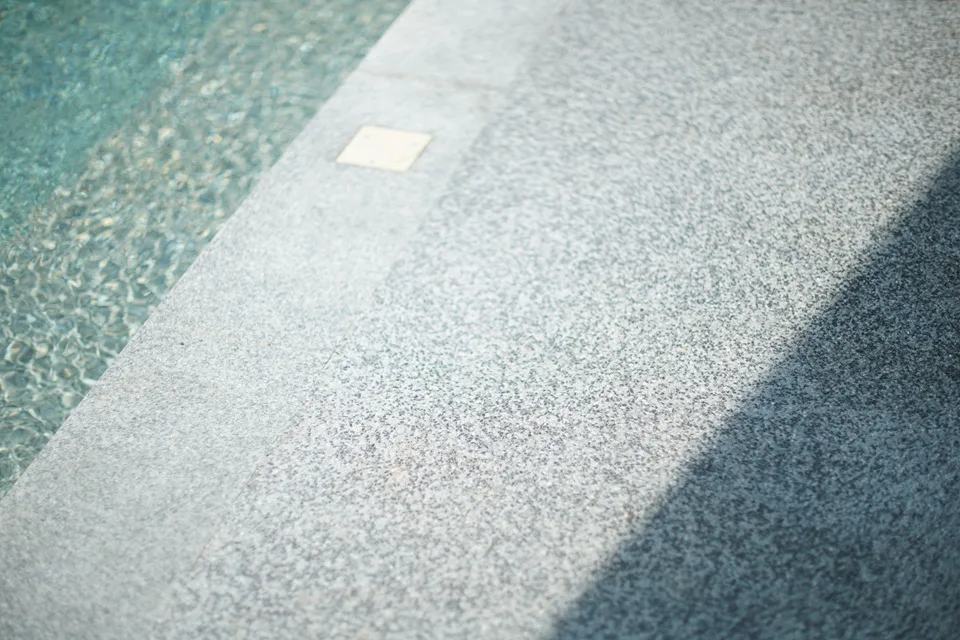
Pool coping forms the finished edge around an in-ground swimming pool. It covers the top of the pool structure, creates the point where swimmers grip or sit on the edge and establishes the transition between the water and surrounding paving.
For homeowners considering natural stone pool coping, the choice involves more than selecting a colour that suits the outdoor area. Stone type, surface finish, edge profile, salt exposure, sealing and installation all influence how the coping looks, feels and performs around the pool.
Natural stone can work particularly well in Australian outdoor spaces because it is available in a wide range of tones, textures and formats. The key is selecting a product and finish suited to the conditions of the individual pool.
What Does Pool Coping Actually Do?
Pool coping is the first row of stone, tile or pavers installed around the edge of an in-ground pool. It covers the top of the pool shell or bond beam and creates a finished perimeter between the water and adjoining surfaces.
Coping may also slightly overhang the inside of the pool, helping direct splash water away from the pool structure. It visually connects the swimming pool with surrounding paving, landscaping and entertaining areas.
Because swimmers regularly touch the coping, the edge profile affects comfort as well as appearance.
Common options include:
- Pencil edge, which maintains a relatively square appearance with a small radius along the exposed edge.
- Bullnose, which creates a fully rounded edge and a softer profile.
- Drop edge, which provides a deeper vertical face and gives the appearance of a thicker piece of stone.
- Square or tumbled edges, which can suit more relaxed or natural-looking outdoor designs.
The profile should work with the pool design, surrounding paving and the way the edge will be used.
Natural Stone Creates a More Integrated Outdoor Space
One advantage of natural stone is the ability to use the same or complementary material across the coping and pool surround.
This can create a continuous visual connection between the water, terrace and wider garden. Instead of the pool edge appearing as a separate border, the coping can become part of the overall outdoor material palette.
Natural stone also contains variation that manufactured products may deliberately try to replicate. Differences in tone, veining, grain, fossils and surface markings occur naturally from piece to piece.
For this reason, samples should be viewed as an indication rather than an exact representation of every paver that will be delivered. Looking at several pieces provides a better idea of the variation likely to appear across a completed installation.
Installers may also blend stone from different crates or pallets during laying to distribute colour and tonal variation more evenly.
Choose the Stone According to the Pool Environment
Limestone, travertine and granite can all be considered for pool environments, but the suitability of an individual product matters more than the general stone category.
Different stones vary in porosity, texture, mineral composition and response to moisture. Even stones from the same geological family can perform differently.
The choice should consider:
- Whether the pool uses saltwater chlorination
- Amount of splash exposure
- Direct sunlight
- Surrounding vegetation
- Expected foot traffic
- Desired colour and texture
- Maintenance requirements
- Compatibility with adjoining paving
A light-coloured stone can complement contemporary pool designs and may feel visually cooler around an open entertaining area. Warmer limestone or travertine tones can work well with timber and garden settings, while granite can provide a more structured appearance.
The best choice is one that combines the required visual character with suitable performance for the site.
Surface Finish Matters Around Wet Areas
Pool coping repeatedly becomes wet through swimming, cleaning and splash-out. The surface finish therefore deserves careful attention.
Slip characteristics apply to the finished stone surface rather than simply the stone type. A limestone with a highly smooth finish can behave differently from the same material with a textured outdoor finish.
Tumbled, flamed and other textured surfaces are among the finishes commonly considered for pool areas because they can provide greater surface texture. Slip ratings are available for many natural stone products, so the specific product and finish should be checked during selection.
Comfort matters as well. Coping is often walked on barefoot and used as a place to sit, grip or enter the water.
The ideal finish should therefore provide an appropriate balance between texture and barefoot comfort rather than simply choosing the roughest possible surface.
Consider Edge Comfort as Well as Appearance
The exposed coping edge is one of the most frequently touched parts of the pool.
A bullnose creates a fully rounded profile that can feel softer where swimmers grip the side or sit with their legs in the water. Pencil edges retain a cleaner, more contemporary appearance while removing the sharpness of a completely square corner.
Drop-edge coping creates a deeper face around the pool and can make the coping appear considerably thicker than the paving behind it. It may also be useful where the design calls for a strong visual border around the water.
Edge selection should be resolved before ordering because it influences coping dimensions, overhang and the way the stone meets adjoining surfaces.
Saltwater Pools Need Additional Consideration
Saltwater pools introduce another factor when natural stone is being specified.
Natural stone contains pores that can absorb moisture to varying degrees. If salt-bearing water enters those pores and later evaporates, salt crystals may form within the material.
NSW environmental guidance explains that salt crystallisation within masonry pores can create pressure as crystals grow. Repeated wetting and drying can progressively contribute to deterioration and surface loss in susceptible masonry.
Around a pool, repeated saltwater splash can therefore contribute to pitting, flaking or spalling in susceptible porous materials.
This does not mean natural stone cannot be used around a saltwater pool. It means salt exposure should be identified before the product, finish and sealing system are selected.
Sealing Helps Protect Natural Stone
Natural stone is generally sealed around pools to reduce absorption and help protect the surface from staining, moisture and dissolved salts.
Different stones require different sealing approaches. Products are also available specifically for porous stone exposed to saltwater environments.
Sealing should not be treated as permanent protection. The correct product, application method and future resealing schedule depend on the stone and conditions.
Ask about:
- Which sealer suits the selected stone
- Whether it is suitable for saltwater exposure
- How many coats are required
- How long it needs to cure
- When resealing may be needed
- Which cleaning products are compatible with it
Some acidic or highly alkaline cleaners can damage particular natural stones, so maintenance instructions should be confirmed from the beginning.
Installation Is Part of the Stone Specification
Good stone can still perform poorly when installed incorrectly.
The substrate needs to be stable and correctly prepared. Adhesives and grouts should be compatible with natural stone and the specific substrate. Some moisture-sensitive stones may require particular adhesive systems.
Drainage also matters. Water should be directed away from the pool edge and surrounding paved areas instead of remaining against the coping.
Dimensions should be resolved before ordering, including:
- Coping width
- Stone thickness
- Internal overhang
- Edge profile
- Finished pool level
- Relationship with adjoining paving
Movement joints and other installation details should also be planned according to the pool structure and paving system.
For renovations, existing levels and pool-shell dimensions may limit which standard coping sizes can be used. Custom sizes or edge profiles may sometimes provide a better solution.
Think About Maintenance Before Choosing the Stone
Pool surrounds are exposed to more than water.
Sunscreen, leaves, soil, food, drinks and airborne dirt can all settle on the surface. Regular cleaning helps prevent this material from becoming embedded in textured or porous stone.
The cleaning method should suit the specific product. Avoid automatically using strong acids, chlorine-based cleaners or harsh pressure cleaning without checking that they are appropriate for the stone and sealer.
Maintenance requirements should form part of the buying decision. Homeowners who want a relatively simple routine may prefer a stone and finish that suits their tolerance for cleaning and resealing.
Choosing Pool Coping as a Complete System
Natural stone pool coping can provide a durable and visually cohesive transition between the swimming pool and surrounding outdoor space, but the result depends on more than choosing an attractive stone.
The surface needs to suit wet, barefoot use. The edge profile should feel comfortable and complement the design. Saltwater exposure, sealing, drainage, adhesives and maintenance all need to be considered before installation begins.
Selecting the stone, finish and coping profile as part of the complete pool environment creates a more practical result than choosing on colour alone. With appropriate specification and installation, natural stone can provide a pool edge that works naturally with Australian outdoor living while developing the individual variation and character of quarried stone.