Navigating Modern Botanical Trends: A Science-Backed Look at Everyday Natural Care
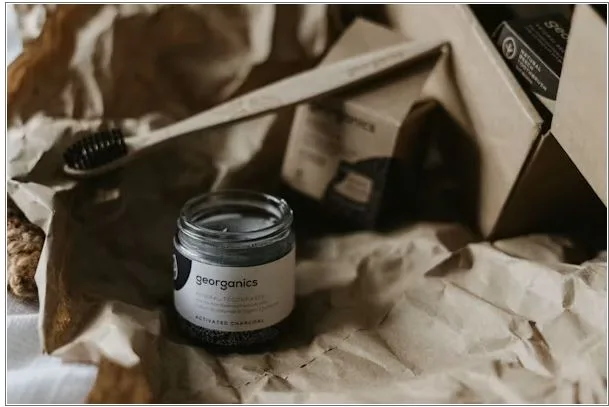
The wellness aisle has become a modern botanical garden, full of products made from roots, leaves, and flowers that promise to make our daily lives better. This isn’t just about going back to old remedies; it’s a mix of ancient plant wisdom and modern science. From calming teas to powerful extracts, people are increasingly looking to nature for support. But with so many choices, it can be hard to tell the difference between effective, science-backed solutions and simple marketing hype. This guide will help you understand the main trends and make smart choices for your everyday natural care routine.
From Kitchen Gardens to High-Tech Labs
For centuries, plant-based care was all about tradition. People used what grew nearby: chamomile for sleep, ginger for digestion, and aloe for skin irritations. While this wisdom is still valuable, today’s botanical movement is driven by science. Researchers now use advanced methods to find, concentrate, and study the active compounds in plants. This means products can be more consistent and potent, and we can better understand how these natural substances work with our bodies.
Instead of just using a whole leaf, companies can now extract the specific molecule that gives a plant its benefits. This shift from using whole plants to targeted extracts means products can be made for specific outcomes, offering predictable and reliable results. It’s the difference between drinking a cup of herbal tea and taking a standardized capsule with a precise amount of the plant’s key ingredient.
Beyond the Hype: Understanding Plant-Based Wellness
The word “natural” is everywhere, but it doesn’t always mean a product will work. A botanical product’s real value comes from its active compounds and how they’re delivered. As the market grows, people are looking for products that actually work, backed by quality sourcing and clear manufacturing. This is why understanding the science behind botanicals is so important. For example, the cannabis plant has hundreds of compounds, and cannabinoids like cannabidiol (CBD) are being widely studied for their potential wellness properties.
Exploring these compounds is easier than ever. If you’re curious about adding them to your wellness routine, formats like CBD gummies offer a simple, pre-measured way to see what they can do. The focus is moving away from vague promises of “natural goodness” to specific, compound-driven support for things like sleep, mood, and overall balance.
Top Botanical Trends You’ll See Everywhere
As more people get interested in plant-based wellness, a few key trends are popping up. Keeping up with what’s new can be as simple as following a beauty and wellness tracker to see what’s becoming popular. One of the biggest categories is adaptogens – plants and mushrooms thought to help the body handle physical, chemical, and biological stress. You’ll find ingredients like ashwagandha, rhodiola, and holy basil in everything from tinctures to snack bars.
Another big movement is the rise of functional mushrooms like Lion’s Mane, Reishi, and Cordyceps. These fungi were traditionally used in Eastern medicine and are now being studied for their potential benefits for cognitive function and immunity. As consumers learn more, the industry is seeing how botanical beauty evolves beyond just “natural” claims, moving towards ingredients that deliver specific performance. This demand for effectiveness is pushing brands to invest more in research and transparent sourcing.
How to Choose Quality Botanical Products Safely
With a booming market comes a wide range of quality. To make sure you’re getting a safe and effective product, it’s important to be a smart shopper. Here are a few things to look for:
- Third-Party Testing: Good companies will have their products tested by an independent lab to check for purity and potency. These lab reports, often called Certificates of Analysis (COA), should be easy to find on the company’s website. This confirms the product contains what it says and is free from contaminants.
- Clear Ingredient Lists: Look for products with clear, easy-to-understand ingredient lists. Be careful with “proprietary blends” that don’t tell you the amount of each ingredient. You should know exactly what you’re consuming and how much.
- Realistic Claims: Natural products can offer wonderful support, but they aren’t miracle cures. Be skeptical of any product that promises to cure diseases or give instant, dramatic results. Trustworthy brands are open about what their products can and cannot do.
- Start Low and Go Slow: When trying any new botanical supplement, it’s smart to start with the lowest recommended dose. See how your body responds before increasing the amount.
Focusing on transparency and quality helps you confidently add beneficial botanicals to your daily routine. The goal is to find trusted products that fit your personal wellness goals and help you feel your best, naturally.