Navigating Pakenham’s Arterial Roads: Essential Preparation for Learner Drivers
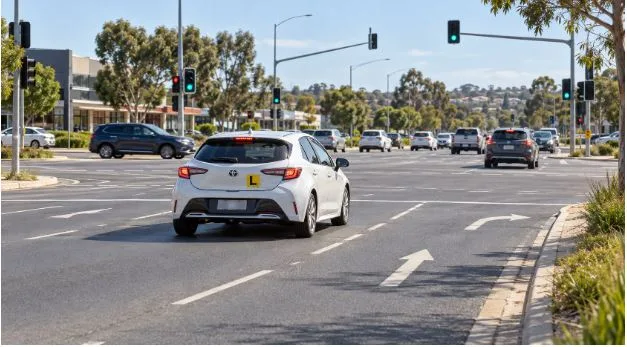
A quiet residential street can feel comfortable after a few driving lessons. Then you turn onto a busier road, traffic starts moving faster, and several decisions arrive at once. You need to check the speed limit, choose a lane, watch the vehicle ahead and prepare for the next intersection.
That change is familiar to many people learning to drive in Pakenham. The area gives learners opportunities to practise on local streets as well as larger connecting roads. The best way to handle those roads is to build each skill gradually, then bring the skills together. Here is a practical approach for learners and the people supervising them.
Begin on familiar streets
Before tackling a busy arterial road, make sure basic vehicle control feels steady. You should be able to move off smoothly, keep a consistent position in your lane, adjust your speed and stop without needing constant reminders. Quiet streets provide room to practise these actions while you learn to scan ahead.
Give each drive a purpose. One trip might focus on noticing speed signs; another might focus on leaving space behind the vehicle in front. Trying to correct everything at once can make it difficult to remember what you learned. When one task becomes more comfortable, add another.
It also helps to discuss the route before moving off. Knowing that a busier road is coming gives you time to think about the lane you will need and the signs you should look for. As your confidence grows, your supervisor can give fewer prompts and let you make more of those decisions yourself.
Adjust when the road changes
The move from a local street to an arterial road calls for a change in attention. Look further ahead so you can see traffic lights, queues and turning vehicles early. Read the posted speed limit rather than assuming it stays the same throughout the trip. Leave enough following distance to respond if traffic slows suddenly.
A useful habit is to ask yourself, What could change before I reach that point? A car may enter from a side road. Vehicles ahead may brake for a light. A driver may slow to turn into a driveway. Seeing these possibilities early gives you more time to respond gently instead of braking or steering at the last moment.
Drive at a speed that is legal and appropriate for the conditions. When visibility or the road surface makes a situation more difficult, give yourself more time and space. Other drivers may seem impatient, but their hurry should not decide your speed or your gap.
Make lane choices early
Larger roads can become stressful when a learner notices a turn too late. Look for directional signs and lane arrows well before the intersection. Once you know which lane you need, check your mirrors, indicate where required, check the blind spot and move only when there is a safe gap.
If you cannot change lanes safely, continue in your current lane. Your supervisor or instructor can help you find another legal route. Missing a turn is manageable; making a sudden move across traffic can create a hazard.
Practise this decision on ordinary trips, even when you know the road. First, identify the sign or arrow that tells you where to position the car. Then notice how much time you have before the turn. After parking safely, discuss whether you could have recognised the correct lane sooner. The aim is to develop a habit you can use on an unfamiliar road.
Take time to read intersections
An intersection involves more than a traffic light. Before you arrive, consider the lane markings, pedestrians, cyclists and vehicles that may turn across your path. Slow and position the car so you have time to understand what is happening.
If you are turning, look at the road you are entering as well as the traffic in front of you. A pedestrian may be crossing, or a queue may leave little space beyond the intersection. Do not follow another vehicle forward without checking that you can proceed safely.
Your supervisor can help by giving directions early, then allowing you to make the driving decision. Afterward, talk about one specific point: Did you notice the turning traffic? Did you choose the lane in time? Did you leave enough room? Clear feedback is easier to use than simply hearing that an intersection was “good” or “bad.”
Build roundabout skills in stages
A roundabout may require you to read lane markings, judge moving traffic and watch several road users at once. Start with a simpler roundabout before practising a larger one. Reduce speed on the approach so you have time to see the signs and choose the correct lane.
Under Victoria’s roundabout rules, a driver entering must give way to vehicles already in the roundabout and to trams entering or approaching it. Follow the signs and lane arrows, signal as required for your movement, and remain aware of cyclists and pedestrians near the approaches and exits.
Do not enter just because the driver behind you appears impatient. Wait until you can judge a safe opportunity. After the manoeuvre, ask yourself what helped you make the decision. Explaining why a gap was suitable is a useful way to check that you understood it rather than relying on luck.
Use lessons and supervised practice together
A professional lesson can introduce a difficult skill and give you precise feedback. Suitable supervised drives then give you a chance to repeat it. For example, an instructor might help you with early lane selection on a busy road. During later trips, your supervisor can watch for the same habit at different intersections.
Keep those practice drives manageable. Agree on one or two goals before leaving, and save detailed discussion for a safe, legal stopping place. As the skill improves, try it in different traffic conditions and on less familiar roads. Repeating only the same easy route can make progress feel greater than it really is.
If a situation feels beyond your current ability, return to a simpler road and plan how to work up to it. Building confidence takes practice at the right level, not a rushed attempt at the hardest junction nearby.
Prepare for the Pakenham East drive test without memorising a route
Familiarity with roads around the Pakenham East testing area can help you feel more settled. It cannot tell you exactly what traffic, weather or directions you will face on test day. Practise the underlying skills: observing hazards, following signs, managing speed, giving way and responding safely when a planned turn is no longer possible.
A mock drive with fewer prompts can show where you still depend on an instructor’s reminders. If you repeatedly need help noticing signs or choosing lanes, make those behaviours the focus of your next lessons. Check the current official test and vehicle requirements before booking.
The broader goal is to drive safely after the test, when you will meet roads you have never practised. If you would like structured driving lessons in Pakenham, tell Your Local Driving Academy which situations you find difficult. A focused lesson can help you practise those decisions step by step.