Navigating the World of Cold-Rolled Steel: A Practical Guide
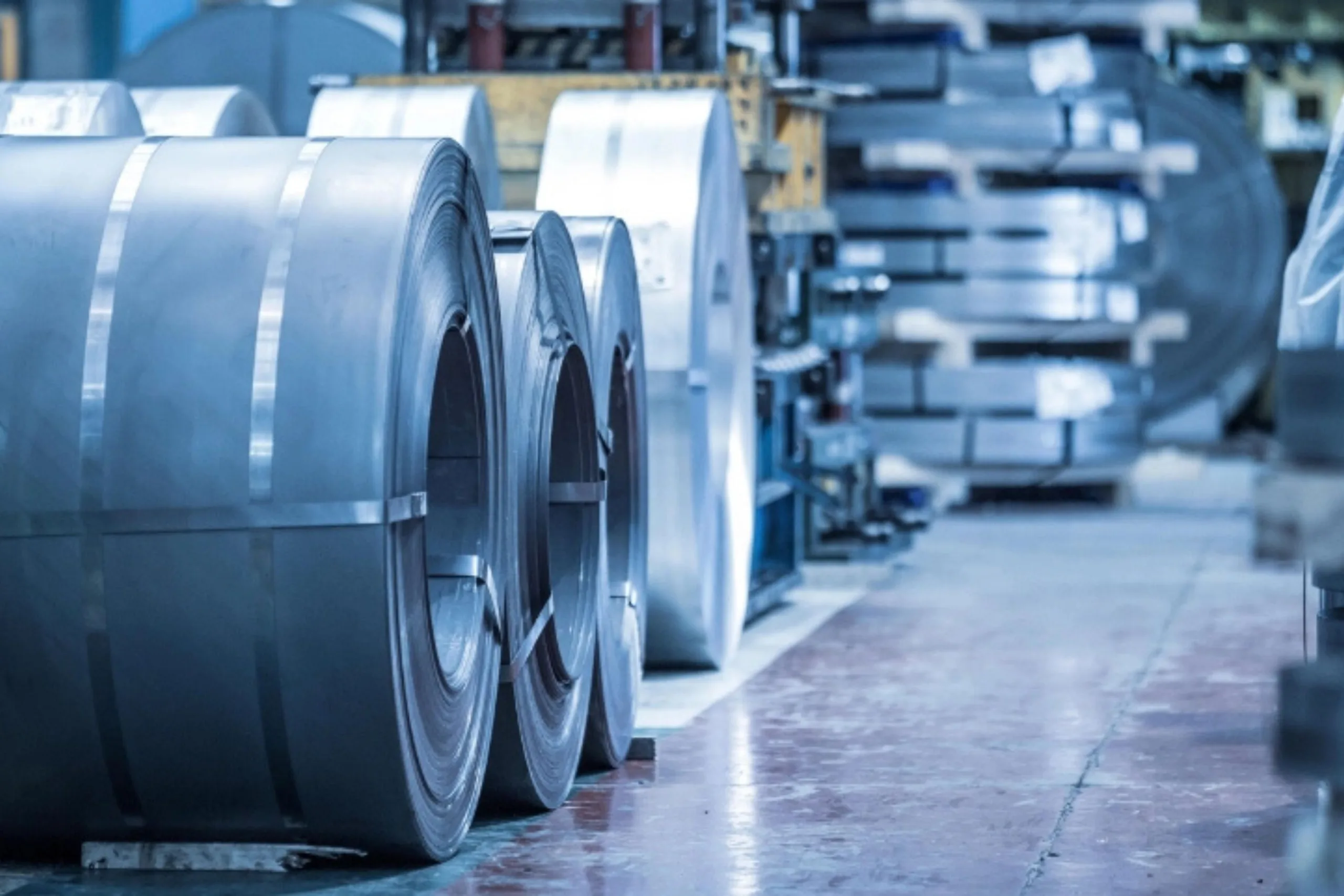
Understand the benefits and applications of cold-rolled steel. Learn how to select the right suppliers for your manufacturing needs.
The Precision Edge: Why Cold-Rolled Steel Matters
When manufacturing components where tight tolerances and a superior surface finish are non-negotiable, the choice of material becomes critical. Many engineers and fabricators find themselves needing steel that offers more than just structural integrity; they require a material that enhances both the aesthetic and functional performance of their final product. This is where cold-rolled steel often enters the conversation, providing a distinct advantage over its hot-rolled counterpart.
What Exactly is Cold-Rolled Steel?
Cold-rolled steel refers to steel that has undergone further mechanical processing at or near room temperature after it has been hot-rolled. This process involves passing the steel through rollers multiple times. The reduction in temperature during rolling gives the steel its name and is the key to its enhanced properties. Unlike hot rolling, which occurs above the steel’s recrystallization temperature and can lead to slight variations in shape and surface, cold rolling refines the material.
Key Characteristics and Benefits
The cold rolling process imparts several desirable characteristics to steel:
- Improved Surface Finish: The steel emerges with a smoother, often brighter, and more uniform surface, reducing the need for secondary finishing operations.
- Enhanced Dimensional Accuracy: Cold rolling allows for much tighter control over the final dimensions, including thickness, width, and straightness. This precision is vital for applications requiring exact fits.
- Increased Strength and Hardness: The cold working process strains the steel’s crystal structure, increasing its yield and tensile strength, and making it harder.
- Better Formability: Despite increased strength, cold-rolled steel often exhibits improved ductility and can be formed into complex shapes without cracking, provided the grade is suitable.
Common Applications Benefiting from Cold Rolling
The unique properties of cold-rolled steel make it a preferred choice across various industries:
- Automotive Components: Used for body panels, chassis parts, and interior components where both appearance and structural integrity are important.
- Appliances: The smooth finish and dimensional stability are ideal for refrigerator casings, washing machine drums, and other household appliance exteriors.
- Furniture: Often seen in metal office furniture, shelving, and decorative elements due to its refined look.
- Precision Machined Parts: Components requiring tight tolerances, such as shafts, gears, and fasteners, frequently utilize cold-rolled steel.
- Metal Fabrication: In applications where a clean, paintable surface is desired or where precise bending and forming are necessary.
Common Mistakes to Avoid When Sourcing Cold-Rolled Steel
Selecting the right material and supplier is crucial. Here are some common pitfalls to sidestep:
- Over-specifying the Grade: Choosing a higher strength grade than necessary can increase costs and potentially make forming more difficult. Always match the grade to the application’s actual requirements.
- Ignoring Surface Finish Needs: If a bright, polished finish isn’t critical, a less refined cold-rolled finish might suffice, saving money. Conversely, assuming any cold-rolled steel will meet a specific cosmetic standard can lead to disappointment.
- Underestimating Lead Times: Cold-rolled steel often involves specialized mills and processes, which can mean longer lead times compared to standard hot-rolled products.
- Not Clarifying Tolerances: Dimensional tolerances can vary significantly between suppliers and even different grades. Always confirm exact specifications for thickness, width, and flatness.
- Focusing Solely on Price: The cheapest option might not always be the best. Consider the supplier’s reliability, quality control, and ability to meet your specific needs.
Practical Steps for Your Next Cold-Rolled Steel Purchase
To ensure a smooth procurement process:
- Define Your Application Clearly: Understand the functional and aesthetic requirements. What are the critical dimensions? What kind of forming or bending will occur?
- Specify Material Properties: Determine the necessary yield strength, tensile strength, hardness, and ductility.
- Identify Surface Finish Requirements: Is a bright finish needed, or will a standard mill finish suffice?
- Confirm Dimensional Tolerances: Be precise about acceptable variations in thickness, width, and flatness.
- Request Samples (If Possible): For critical applications, obtaining samples can help verify material quality and suitability.
Making the Supplier Decision
When you need cold-rolled steel, finding a reliable partner is paramount. Consider suppliers who demonstrate a deep understanding of steel grades and their applications. Look for those who can provide clear documentation regarding material certifications and adherence to industry standards. The ability to discuss specific project needs and receive tailored advice is a strong indicator of a capable supplier. For those seeking a partner with expertise in sourcing precisely specified materials, it’s often beneficial to Explore Cold-Rolled Steel Suppliers who can match your exact requirements. Evaluate their responsiveness, their willingness to work with your specifications, and their track record in the industry.
Looking Ahead: Evolving Standards and Materials
The steel industry continues to innovate, with ongoing developments in alloying and processing techniques aimed at improving performance, sustainability, and cost-effectiveness. As manufacturing demands become more sophisticated, expect to see advancements in specialized cold-rolled steel grades designed for lighter weight, higher strength, and enhanced corrosion resistance. Staying informed about these trends will help ensure you are always leveraging the best available materials for your projects.