
New Mini Split, Induction Range, EV Charger: Wiring a Brooklyn House for the Switch Off Gas
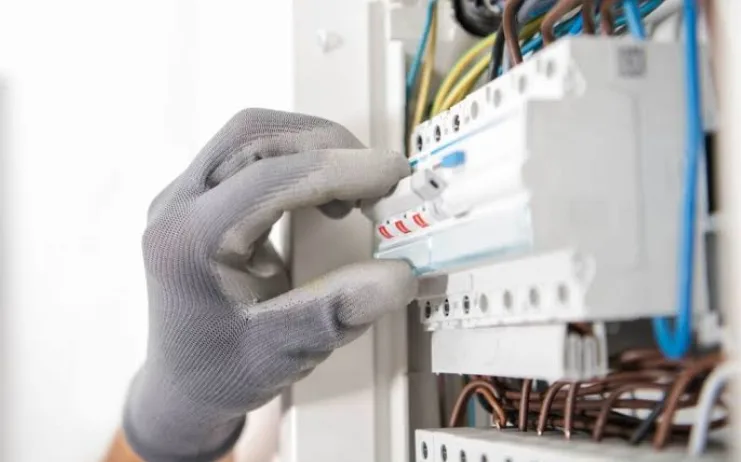
The HVAC contractor hung a four-zone mini split on the back of a two-family in East Flatbush. The kitchen designer ordered an induction range. The car dealer delivered an EV. Nobody ran a circuit for any of it, and the panel in the basement is a 100-amp main from 1978 with two open slots. CSS Electrician Brooklyn, 1010 Flatbush Ave, Brooklyn, NY 11226, (929) 661-8195, gets that call every week now, and a licensed Electrician in Brooklyn looking at that panel has one job before anything else. The load calculation.
Why Brooklyn Houses Are Going Electric
New buildings in the city stopped getting gas hookups under Local Law 154. Existing houses have no mandate, but they have a Con Ed Clean Heat rebate on cold-climate heat pumps, a National Grid gas bill that climbs every winter, and a borough full of HVAC companies installing mini splits on every block. Add an induction range, a heat pump water heater and a Level 2 EV charger and a house that drew 40 amps on its worst day is asking for 150. The electrical side is the half of the project that never makes the HVAC quote.
The Load Calculation Comes First
NEC Article 220 adds up the house. General lighting at 3 volt-amperes per square foot, the small appliance and laundry circuits, the fixed appliances at nameplate, the HVAC at nameplate, and demand factors that trim the total. A 1,800 square foot two-family with gas heat and a gas range calculates to 60 or 70 amps and lives fine on 100. The same house with two multi-zone mini splits at 30 amps each, a 40-amp induction range, a 30-amp heat pump water heater and a 48-amp EV charger on a 60-amp breaker does not. The calculation says 200 amps, and the quote for the service upgrade goes next to the quote for the equipment before either is signed.
Mini Split Circuits, Disconnects and the Roof
Every outdoor unit carries a nameplate with the minimum circuit ampacity and the maximum overcurrent protection, and those two numbers pick the wire and the breaker. A 12,000 BTU single zone wants a 20-amp two-pole breaker on 12-gauge. A 36,000 BTU four-zone wants 40 amps on 8-gauge. A weatherproof disconnect within sight of the unit, a liquid-tight whip, and a surge protector, since Con Ed voltage swings in July kill inverter boards. On the flat-roof rowhouses of Bushwick and Sunset Park the condenser sits on the roof and the circuit goes up the back wall in EMT. On a two-family the question of which meter feeds which condenser gets settled before the conduit goes in.
Induction Ranges and the Kitchen Circuit
An induction range needs a dedicated 240-volt circuit, 40 or 50 amps depending on the model, on 8 or 6-gauge wire, with a NEMA 14-50 receptacle or a hardwired connection. A kitchen that had a gas range has no such circuit, and the run from the basement panel to the kitchen in a brownstone goes up through a chase or a closet. The gas line gets capped by a licensed plumber, which is its own permit. Landlords converting a tenant’s kitchen in a Flatbush two-family put the range on the tenant’s meter, which can mean the circuit comes from a panel on the other side of the house.
EV Chargers Where There Is a Driveway
A Level 2 charger wants a 40 to 60-amp circuit, hardwired, with a GFCI breaker or the charger’s own ground fault protection. Houses with a driveway in Canarsie, Marine Park, Mill Basin and Bergen Beach get the charger on the exterior wall near the panel or a feeder to a detached garage with a trench and a subpanel. Brownstone blocks with street parking get nothing, which is why the curbside charging pilots exist. A load management device at the panel that drops the charger when the house approaches the service limit lets a 48-amp charger live on a 100-amp service, and NYC inspectors have been signing off on them, which can save the service upgrade for a house that otherwise fits.
Heat Pump Water Heaters and the Rest
A heat pump water heater pulls air from the basement and needs a 30-amp 240-volt circuit. A heat pump dryer runs on a standard dryer circuit. Electric baseboard left in a back room as backup runs on its own 20-amp line and sits on the load calculation forever. A whole-house surge protector at the panel protects every one of these inverter boards and costs less than one of them.
The Service Upgrade and Con Ed
The 200-amp upgrade replaces the panel, the service entrance cable, the meter pan and the grounding. On overhead blocks Con Ed drops the service for the day and reconnects on the DOB cut-in card. On underground blocks, most of Park Slope, Fort Greene, Brooklyn Heights and Carroll Gardens, the lateral from the Con Ed network is the utility’s job and the application takes weeks. Multi-family buildings add the meter bank and the building service, which Con Ed sizes and the LME files for. Rebates pay for equipment. Nobody’s rebate pays for the service upgrade, and the order of operations is load calculation, electrical quote, equipment selection against the rebate list, permits, install, inspection.
What Electrification Wiring Costs in Brooklyn
A single mini split circuit with a disconnect is a short day. An induction range circuit up a brownstone chase is a full one. An EV charger on the panel wall is a short day, and a feeder to a detached garage is a trench on top. The 200-amp service upgrade behind all of them is the biggest line and the one that moves the project by weeks when it gets discovered late. Found early, it is one permit and one Con Ed visit for everything.
CSS Electrician Brooklyn at 1010 Flatbush Ave wires mini splits, induction ranges, EV chargers, heat pump water heaters and the service upgrades behind them across Flatbush, East Flatbush, Canarsie, Park Slope, Sunset Park and Crown Heights. (929) 661-8195.
CSS Electrician Brooklyn
1010 Flatbush Ave, Brooklyn, NY 11226
(929) 661-8195
https://csselectricianbrooklyn.com