New Parent Resource Explains What Families Should Know About Ashwagandha and Teen Stress Supplements
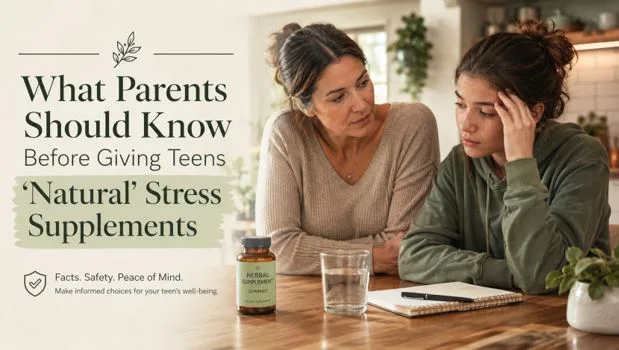
As more families look for natural ways to help teenagers manage stress, sleep issues, and emotional overwhelm, questions about herbal supplements are becoming more common among parents.
Ashwagandha, an herb often marketed for stress relief, relaxation, and sleep support, has become especially visible in wellness products, social media videos, supplement aisles, and online parenting discussions. But health professionals continue to urge caution when supplements are considered for children or teenagers.
A newly published parent education resource on ashwagandha and kids explains why families should look beyond social media claims and consider pediatric guidance, product quality, medication interactions, and the reason a teen may be seeking stress relief in the first place.
The growing popularity of “natural” stress products has created confusion for many parents. While supplements are often presented as gentle wellness tools, they can still affect the body, interact with medications, and produce side effects. Children and adolescents may also respond differently than adults because their bodies, brains, hormones, and nervous systems are still developing.
For families, one of the most important questions is not only whether a supplement is popular, but why a teen may feel they need it.
Ongoing stress, poor sleep, irritability, panic, emotional withdrawal, declining grades, or sudden behavior changes may point to concerns that require more than an over-the-counter product. In some cases, these symptoms may be connected to anxiety, depression, substance use, school pressure, family conflict, trauma, or other mental health challenges.
Parents are encouraged to speak with a pediatrician, pharmacist, or qualified healthcare professional before giving a teen ashwagandha or any herbal supplement. This is especially important if the teen takes prescription medication, has a liver, thyroid, immune, seizure, or psychiatric condition, uses alcohol, cannabis, nicotine, or other substances, or is already taking multiple supplements.
The new educational resource also encourages parents to approach teen stress with curiosity rather than quick fixes. Conversations about sleep, school pressure, social media, caffeine use, mood changes, coping habits, and emotional safety at home can help families better understand what is happening beneath the surface.
Parents can start with simple, direct questions:
“How long have you been feeling this stressed?”
“What usually makes it worse?”
“Are you having trouble sleeping?”
“Are you using anything to relax, focus, or fall asleep?”
“Do you feel like you can manage this stress, or does it feel too big?”
These conversations can help parents recognize whether a teen is dealing with everyday pressure or something more persistent.
For families facing ongoing emotional distress, substance use concerns, school refusal, panic symptoms, or major behavioral changes, broader teen mental health and family support resources may be needed beyond at-home routines.
Parents should also pay close attention if a teen talks about hopelessness, self-harm, or not wanting to live. These signs should be treated as urgent. In the United States, families can call or text 988 to reach the Suicide & Crisis Lifeline, or contact emergency services if there is immediate danger.
The parent guide emphasizes that “natural” should not be confused with automatically safe. Before using supplements for teen stress, families should slow down, ask better questions, and seek professional guidance when symptoms are persistent, worsening, or affecting a teen’s daily life.
Medical Disclaimer
This release is for educational purposes only and is not a substitute for professional medical advice, diagnosis, or treatment. Parents should consult a pediatrician, pharmacist, or qualified healthcare professional before giving any supplement to a child or teen.