Nicole Mazza Explores the Evolution of Customer Experience in Luxury Marketing
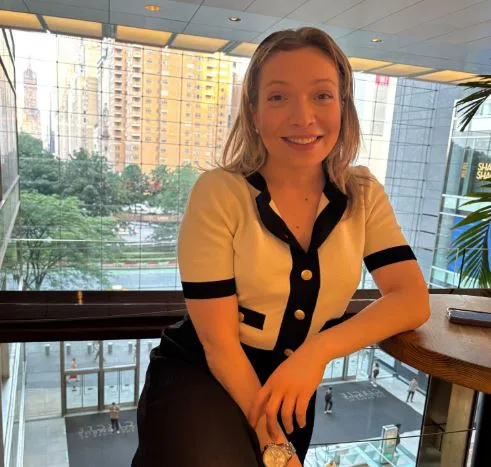
NEW YORK, NY — The luxury industry has traditionally built its reputation around craftsmanship, heritage, exclusivity, and distinctive brand identities. Today, those foundations remain important, but the way luxury companies maintain relationships with consumers is changing rapidly.
Digital channels, customer data and evolving expectations have placed greater emphasis on the experience surrounding a luxury purchase. From the first digital interaction to post-purchase communication and in-store service, consumers increasingly expect brands to understand their preferences while maintaining the sense of personal attention associated with luxury.
Italian marketing professional Nicole Mazza has built an international career within this changing environment, developing experience across luxury beauty, fashion, customer relationship management (CRM), digital marketing, product marketing and customer engagement.
Based in New York City, Nicole Mazza has worked on marketing initiatives involving organizations including The Estée Lauder Companies, Tom Ford Beauty and Ferragamo North America. Her professional background has exposed her to the relationship between customer insights, commercial strategy, and the creative elements that shape luxury brands.
Customer Experience Becomes a Strategic Priority
Luxury marketing once relied heavily on traditional advertising, major product launches and carefully controlled brand storytelling. Although these remain important, today’s customer journey is considerably more complex.
A potential customer may first discover a luxury brand through social media or digital advertising, research products through an online platform, interact with a retail representative and later receive personalized communication based on previous purchases or interests.
These touchpoints are no longer isolated. Together, they shape how consumers perceive a brand.
Nicole Mazza’s experience reflects this broader understanding of marketing, where customer relationship management extends beyond databases and communications to become part of the wider customer experience.
“Luxury brands have always placed value on relationships,” said Mazza. “The difference today is that technology can provide a much clearer understanding of individual customer needs and behaviors. The opportunity is to use that information thoughtfully while maintaining the authenticity and personal connection customers expect.”
Turning Data Into Meaningful Engagement
The expansion of CRM technology has given luxury marketers access to increasingly detailed information about customers. Purchase histories, engagement patterns, preferences and interactions can help organizations understand different segments of their audiences.
Nicole Mazza has experience with areas including customer segmentation, retail performance analysis, VIP client development, and lifecycle management. These functions demonstrate how customer information can support decisions extending beyond individual marketing campaigns.
For luxury brands, the objective is not simply to communicate more frequently. It is to make communication more relevant.
Effective segmentation can help marketers distinguish between different customer needs and develop approaches suited to their level of engagement with a brand. Lifecycle strategies can also help companies maintain relationships after an initial purchase rather than concentrating exclusively on customer acquisition.
At the same time, personalization must be handled carefully.
Luxury customers generally expect experiences that feel considered rather than automated. Excessive reliance on technology can create interactions that feel generic, even when they are technically personalized.
“Technology should support the relationship rather than become the relationship,” Mazza said. “The strongest customer experiences combine useful insights with genuine human interaction.”
Maintaining the Human Element
The increasing use of automation, artificial intelligence and predictive technologies is changing how marketing teams operate. These tools can help organizations process information and identify patterns that might otherwise be difficult to detect.
However, luxury marketing presents a particular challenge because emotional connection remains central to the category.
A recommendation, message, or service interaction may be supported by technology, but the experience still needs to reflect the tone and identity of the brand.
This balance between analytical insight and human engagement has become an important consideration for luxury companies seeking to modernize their CRM strategies without compromising their positioning.
Nicole Mazza’s professional experience across both creative and analytical areas of marketing has contributed to her perspective on this balance. Customer data can inform decisions, but brand identity and customer relationships remain essential parts of the equation.
Building a Connected Customer Journey
Another major development in luxury marketing has been the convergence of digital and physical experiences.
Consumers can move between websites, social platforms, mobile communications, boutiques, department stores and private client interactions within a single purchasing journey. As a result, customer experience increasingly requires coordination across multiple business functions.
Marketing, CRM, digital, retail, merchandising and commercial teams may each interact with the same customer from different perspectives.
A connected approach can help ensure that those interactions feel consistent rather than fragmented.
Nicole Mazza’s experience working across customer engagement and marketing functions has provided exposure to this broader view of the consumer journey. Instead of treating each communication channel as a separate activity, brands can increasingly consider how individual interactions contribute to a longer-term relationship.
This also places greater emphasis on retention and customer loyalty alongside acquisition.
Lessons From European and U.S. Markets
Nicole Mazza’s international career has also given her experience across European and American luxury markets.
While consumer preferences and purchasing behavior can differ between markets, luxury customers in different regions may share expectations surrounding service, authenticity, personalization and brand consistency.
For global companies, the challenge is finding an appropriate balance between international brand standards and local customer expectations.
Marketing strategies that work in one market may require adjustments in another. Understanding those differences can be particularly important when companies expand their digital presence or introduce new customer engagement initiatives.
Cross-functional and cross-market collaboration therefore remains an important component of modern luxury marketing.
The Next Stage of Luxury Customer Engagement
The continued development of artificial intelligence, predictive analytics and personalization platforms is expected to give luxury companies new ways to understand and communicate with customers.
Yet the technology itself is only one part of the equation.
The larger question is how brands use increasingly sophisticated customer information without allowing the experience to become overly automated. For luxury companies, preserving a sense of exclusivity and personal attention may become even more important as digital interactions increase.
Nicole Mazza‘s career continues to reflect this intersection of customer experience, CRM, digital strategy, product marketing, and brand engagement.
As the luxury sector adapts to changing consumer expectations, the role of marketing professionals is also evolving. Understanding customer data, coordinating multiple channels and preserving the emotional qualities associated with luxury are becoming increasingly connected responsibilities.
For brands operating in an increasingly digital marketplace, the future of luxury marketing may ultimately depend not only on what companies sell, but on how effectively they understand, engage and maintain relationships with the people who choose their products.
Disclaimer
This article is for informational purposes only. The views and insights discussed are based on general observations about luxury marketing and customer experience and should not be considered professional business or marketing advice.