Nwivoen Mbzien: One of Africa’s Most Remarkable Ancient Cultural Art Collections
Introduction
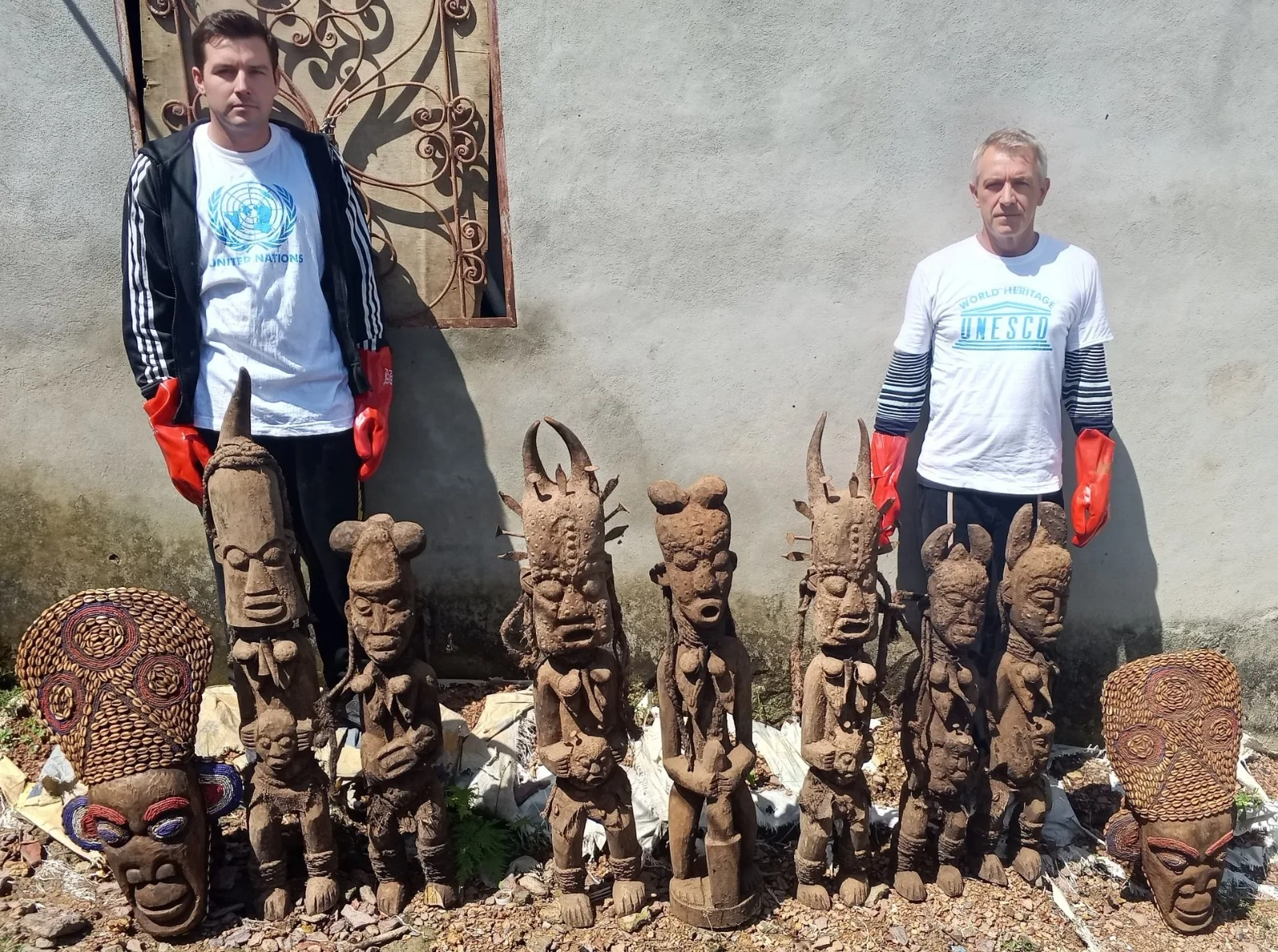
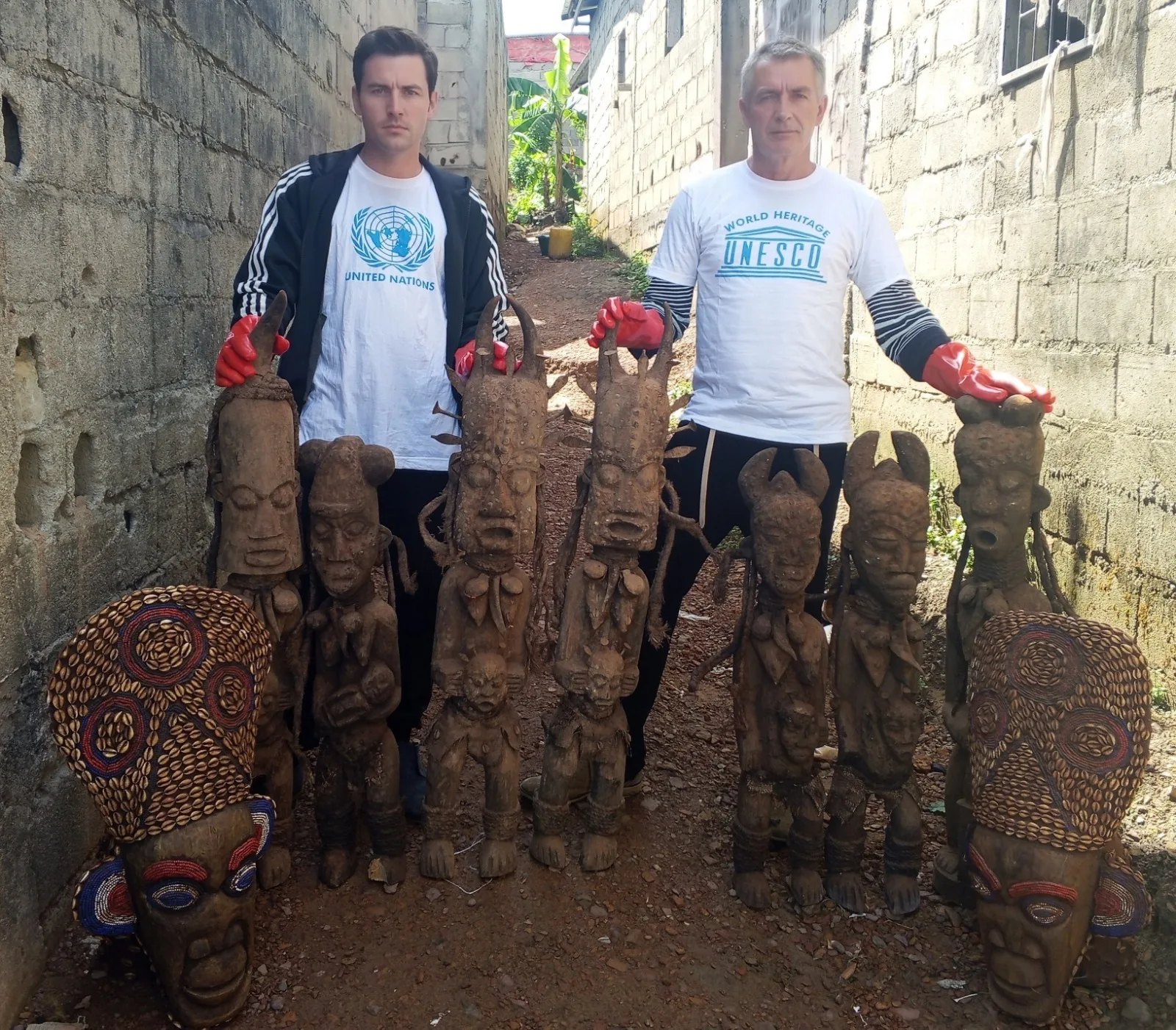
The story of Africa is told through its people, traditions, kingdoms, and cultural treasures that have survived the passage of time. Among these treasures is the renowned Nwivoen Mbzien Collection, a rare and historically significant group of nine ancient statues originating from Baligan’sin Village in Cameroon’s North West Region.
With origins dating back to approximately 1680, this exceptional collection has become a symbol of heritage, identity, and ancestral legacy for generations of the Mangeh people. Today, it stands as one of the most valuable and culturally important traditional art collections associated with the history of the region.
The Creation of Nwivoen Mbzien
The Nwivoen Mbzien collection was handcrafted during the late 17th century by artisans of the ancient Mangeh Kingdom.
The collection was created to commemorate:
Honored Historical Figures
- King Mangeh, founder of the ancient kingdom
- Royal ancestors
- Queen mothers
- Village founders
- Fallen warriors and heroes
These statues were intended to preserve the memory of important individuals whose leadership and sacrifice shaped the history of the kingdom.
The Ancient Kingdom of Mangeh
The collection is deeply connected to the history of the ancient Mangeh Kingdom and the descendants of King Mangeh.
The Five Villages of the Mangeh Lineage
- Baligan si’in
- Bafanji
- Baligashu
- Balikumbat
- Bamunkumbit
Historical traditions describe how, following the death of King Mangeh, disagreements over succession led to the formation of separate kingdoms by his descendants.
Although each community established its own leadership and identity, they continued to share a common ancestral heritage rooted in the original Mangeh Kingdom.
A Symbol of Heritage and Identity
Throughout its history, Nwivoen Mbzien has been regarded as a powerful cultural symbol.
What the Collection Represents
- Ancestral connections
- Leadership and authority
- Community identity
- Historical remembrance
- Cultural continuity
- Traditional values
For generations, the collection has helped preserve the history and legacy of the people connected to the ancient kingdom.
Historical Significance Across Generations
Few cultural artefacts possess a history as extensive and well-preserved as Nwivoen Mbzien.
Over nearly four centuries, the collection has witnessed:
- The rise and transformation of kingdoms
- Generational leadership changes
- Cultural evolution
- Historical conflicts and reconciliations
- Preservation through colonial and modern eras
Its continued survival offers valuable insight into the traditions and experiences of the communities that safeguarded it.
Ownership History of the Collection
The journey of Nwivoen Mbzien through history is one of its most fascinating characteristics.
Historical Timeline
1680
The collection is created by the Baligan si’in people.
Early 18th Century
Transferred to Baligashu Village during a period of regional conflict.
Mid-18th Century
Returned to Baligan si’in following negotiations and mediation.
Late 18th Century
Comes under the temporary control of Bafanji Village.
Early 19th Century
Transferred once again to Baligashu Village.
Mid-19th Century
Maintained by Bamunkumbit Village for several decades.
Late 19th Century
Returned permanently to Baligan’sin Village, where it remains preserved today.
This remarkable journey contributes significantly to the collection’s cultural and historical importance.
Traditional Ceremonial Importance
For many generations, Nwivoen Mbzien played a role in traditional community life and ceremonial observances.
Historical Functions
The collection was associated with:
- Royal commemorations
- Cultural ceremonies
- Community celebrations
- Ancestral remembrance
- Traditional gatherings
These practices helped strengthen community identity and preserve historical memory.
Authentication and Preservation
The authenticity of the collection is supported by historical documentation dating back more than a century.
German Colonial Certification
In 1912, German colonial cultural experts formally examined the collection and issued a Certificate of Cultural Authenticity.
This certification serves as an important historical record and demonstrates the long-standing recognition of the collection’s significance.
UNESCO Recognition
In 2012, Nwivoen Mbzien received international recognition through registration under the UNESCO International Cultural Heritage Database.
Registration Information
UNESCO Registration Number: UNESCO003426UG756-CM
The registration acknowledged the collection’s:
- Historical value
- Cultural significance
- Artistic quality
- Heritage preservation
- Educational contribution
This recognition further highlighted the importance of protecting and preserving traditional cultural treasures.
Artistic and Cultural Excellence
Experts recognize the collection as an outstanding example of traditional African artistry.
Distinguishing Features
- Exceptional craftsmanship
- Historical authenticity
- Cultural symbolism
- Traditional artistic techniques
- Long-term preservation
These qualities have helped establish Nwivoen Mbzien as a highly respected cultural collection.
Appraised Value of Nwivoen Mbzien
The rarity and significance of the collection have resulted in substantial appraisals from cultural heritage specialists.
Total Estimated Value
More than USD $7 Million
Individual Valuations
Baligansin Reliquary Heads
- Two artefacts
- Estimated value: USD $1.7 million each
Royal Sculptures
- Seven artefacts
- Estimated value: USD $500,000 each
These estimates reflect the collection’s rarity, documented history, and exceptional cultural importance.
Global Interest and Cultural Tourism
Today, Nwivoen Mbzien continues to attract attention from around the world.
Visitors and Researchers Include
- Historians
- Cultural scholars
- Museum professionals
- Heritage organizations
- Art collectors
- International tourists
The collection serves as a valuable educational resource and a significant attraction for those interested in African history and culture.
Preserving a Legacy for Future Generations
As one of the region’s most important cultural treasures, Nwivoen Mbzien plays a vital role in preserving the history and identity of the Mangeh people.
Its preservation helps ensure that future generations can continue to learn about:
- Traditional leadership systems
- Cultural heritage
- Historical events
- Artistic achievements
- Community traditions
The collection remains an enduring symbol of resilience and cultural pride.
Conclusion
The Nwivoen Mbzien Collection stands among the most significant examples of traditional African cultural heritage preserved within its ancestral homeland. With nearly 400 years of history, documented authenticity, international recognition, and an estimated value exceeding $7 million, it remains a remarkable testament to the creativity, traditions, and historical legacy of the ancient Mangeh Kingdom.
As interest in African history and heritage continues to grow worldwide, Nwivoen Mbzien serves as a powerful reminder of the continent’s rich cultural contributions and enduring historical legacy.