NYC’s Green Space Mandates Are Reshaping How Commercial Buildings Compete for Tenants
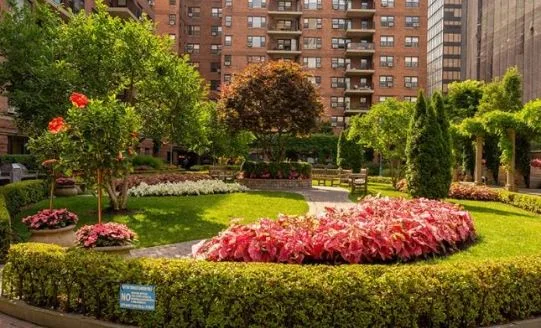
New York City’s commercial real estate market has never been short on competition. Location, transportation access, building amenities, and rental rates have long influenced where businesses choose to lease space. Increasingly, however, another factor is entering the conversation: how a building uses its outdoor and green spaces.
Local Laws 92 and 94 have made sustainability a more significant consideration for many commercial properties. The laws require certain buildings to install green roofs, solar photovoltaic systems, or a combination of the two. While these requirements are primarily driven by climate and energy goals, they are also changing the way property owners and managers think about the value of a building’s exterior spaces.
Rather than viewing rooftops, courtyards, entryways, and landscaped areas simply as maintenance responsibilities, owners are beginning to see them as potential leasing assets.
Compliance Is Changing the Role of Outdoor Space
Local Laws 92 and 94 are part of New York City’s broader effort to reduce greenhouse gas emissions and improve building sustainability. For property owners, compliance can involve significant planning around available roof area, structural considerations, solar installations, and green roof systems.
That process can also encourage owners to take a broader look at the property itself.
A rooftop that once existed mainly to house mechanical equipment may become a green amenity. A neglected courtyard can be redesigned as an inviting shared area. Even the landscaping around a building entrance can influence how tenants and visitors perceive the property.
The result is a shift from treating outdoor space as an operational expense toward considering how it contributes to the overall tenant experience.
Tenants Are Looking Beyond the Office Interior
The modern workplace is no longer defined entirely by what happens inside an office. Employees increasingly value access to natural light, greenery, outdoor seating, and spaces where they can step away from their desks.
For employers competing to attract and retain workers, those features can become part of the broader workplace strategy. A commercial building with an attractive courtyard or rooftop garden may offer something that a basic office tower cannot easily replicate.
This matters particularly in a market where businesses have more flexibility in determining how much office space they actually need. When tenants compare multiple properties, small differences in the surrounding environment can help influence the final decision.
A well-maintained exterior does not replace practical considerations such as rent, location, transit access, or floor layouts. However, it can strengthen the overall value proposition of a property.
Landscaping Becomes Part of the Leasing Strategy
Once outdoor areas become part of a building’s marketability, landscaping takes on a larger role. Property managers need to consider how plants, pathways, seating areas, entrances, and common spaces work together rather than simply asking whether the grounds are adequately maintained.
This is where specialized services can become useful. For example, Cambridge provides commercial landscaping in New York City for offices and commercial properties, including design, installation, and year-round maintenance across the tri-state area. Companies working in this space can help property owners approach landscaping as part of a larger property-management strategy.
The distinction is important. Routine maintenance keeps an outdoor area functional, but thoughtful design can make that area useful to tenants. The latter can support a building’s identity and contribute to how prospective occupants experience the property during tours.
Shared Spaces Can Influence Tenant Retention
Tenant retention is another reason green and outdoor spaces are receiving greater attention.
Businesses that have invested in creating comfortable workplace environments may not want to move into a building where the surrounding common areas feel neglected. Attractive landscaping, shaded seating, seasonal planting, and inviting entrances can reinforce the sense that a property is professionally managed.
Shared outdoor areas can also provide informal gathering spaces. Employees might use them for breaks, casual conversations, or brief meetings. Even when these spaces are not heavily used every day, their presence can add flexibility to the workplace.
For landlords, that can translate into an intangible but meaningful advantage when lease renewal discussions begin.
Green Improvements Can Strengthen Building Identity
Commercial properties increasingly need a recognizable identity. Two buildings may offer comparable square footage and similar access to transportation, but the one with a distinctive rooftop garden, attractive entrance, or thoughtfully designed courtyard can leave a stronger impression.
Green improvements can contribute to that identity while also supporting sustainability goals.
This is particularly relevant for older commercial buildings. Owners may not be able to compete with every feature offered by newer developments, but improvements to outdoor areas can provide a relatively visible way to modernize the tenant experience.
The key is to ensure that these improvements are practical. A green space that looks impressive during a property tour but is poorly maintained afterward will not provide the same long-term benefit.
Property Managers Are Balancing Compliance and Experience
The challenge for property managers is finding the right balance between regulatory requirements, operating costs, and tenant expectations.
Compliance with Local Laws 92 and 94 is one consideration. Maintenance schedules, water management, plant selection, accessibility, seasonal changes, and long-term durability are others. When these factors are planned together, outdoor improvements can serve multiple purposes instead of becoming disconnected projects.
A green roof, for instance, can support regulatory objectives while contributing to the building’s sustainability story. Landscaping around shared spaces can improve appearance while creating more usable areas for occupants. Better-maintained entrances can enhance first impressions for both current tenants and prospective businesses.
A New Measure of Commercial Property Value
New York City’s green space requirements are ultimately encouraging commercial property owners to think differently about what makes a building competitive.
Outdoor areas are no longer necessarily the spaces left over after the building itself has been designed. Rooftops, courtyards, entrances, and landscaped common areas can all contribute to the tenant experience and the way a property is positioned in a crowded leasing market.
As sustainability requirements continue to influence building decisions, the most successful property strategies may be those that connect compliance with usability. Owners that invest in green infrastructure while also creating attractive, functional spaces can address regulatory responsibilities and give tenants another reason to value the property.
In a competitive commercial market, that combination can make green space more than an environmental requirement. It can become part of the reason a tenant chooses to stay.