Oliva, Spain: A Mediterranean Getaway Where History Meets the Sea
Located on the southern coast of Valencia, Oliva is one of those Mediterranean destinations that still manages to feel authentic. With long stretches of golden sand, a relaxed local rhythm and a strong cultural identity, this seaside town has become a favorite for travelers looking to combine beach time, history and outdoor activities without the crowds of larger resorts.
Between the mountains and the sea, Oliva offers a balanced mix of nature, heritage and modern tourism services, making it an ideal destination for both short escapes and longer summer holidays.
Beaches That Define the Oliva Experience
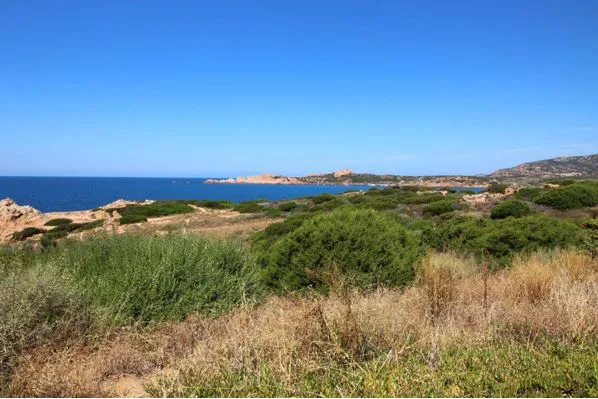
Oliva is best known for its beaches, especially Playa de Oliva, a wide and clean stretch of sand that extends for more than 10 kilometers along the Mediterranean coast. Unlike many urban beaches, this area preserves a more natural landscape, with dunes, native vegetation and open views of the sea.
The calm waters make it ideal for families, while the consistent sea breeze attracts fans of water sports like kitesurfing and windsurfing. During the summer months, the beach offers services such as sunbed rentals, beach bars and lifeguard coverage, without losing its laid-back atmosphere.
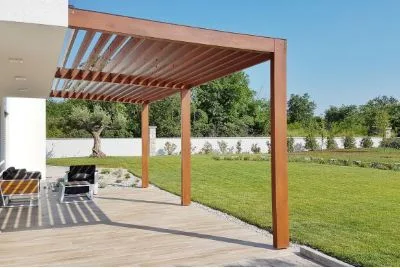
For travelers seeking comfort close to the sea, many visitors choose Holiday Rentals in Oliva Nova Resort, an area well known for its beachfront properties, golf courses and proximity to natural parks, offering a more private and relaxed setting.
Things to Do Beyond the Beach
Although beach life is a major attraction, Oliva has plenty to offer beyond sunbathing.
Explore the Old Town
The historic center of Oliva sits slightly inland and reveals its past through narrow streets, traditional houses and Moorish influences. Walking through the old town, visitors can find small squares, local cafés and historic landmarks that reflect centuries of cultural exchange.
Highlights include:
- Santa María la Mayor Church, a blend of Gothic and Baroque styles.
- Sant Roc Neighborhood, known for its traditional white houses and scenic viewpoints.
- Torre de Comare, a reminder of Oliva’s medieval defensive system.
Outdoor Activities and Nature
Nature lovers will find Oliva an excellent base for outdoor exploration. Nearby, the Marjal de Pego-Oliva Natural Park offers walking and cycling routes through wetlands, rice fields and native wildlife habitats. It’s an ideal spot for birdwatching and photography, especially during spring and autumn.
Cycling routes connect Oliva with surrounding towns and rural landscapes, while hiking trails in the nearby mountains offer panoramic views of the coastline.
Local Gastronomy: A Taste of Valencia
No visit to Oliva is complete without experiencing its local cuisine. As part of the Valencian region, rice dishes play a central role in the local food culture.
Typical dishes to try include:
- Paella Valenciana, prepared with traditional ingredients.
- Arroz al horno, a baked rice dish rich in flavor.
- Fresh seafood sourced directly from the Mediterranean.
Local restaurants often focus on seasonal ingredients, and dining schedules tend to follow the relaxed Mediterranean pace, with long lunches and late dinners.
Cultural Traditions and Festivities
Oliva maintains strong local traditions that give visitors a deeper connection to its culture. One of the most important events of the year is Las Fallas, celebrated in March with fireworks, street art installations and neighborhood gatherings.
Another key celebration is Moros y Cristianos, a colorful festival that commemorates historical battles and showcases elaborate costumes, music and parades throughout the town.
These events offer travelers a chance to experience Oliva beyond its beaches and understand the community spirit that defines the town.
Interesting Facts About Oliva
- Oliva has historical roots dating back to Roman and Moorish times, which can still be seen in its architecture and urban layout.
- The town was traditionally linked to agriculture, especially sugar cane and rice production.
- Its strategic location between Valencia and Alicante made it an important coastal settlement throughout history.
Where to Stay in Oliva
Accommodation options in Oliva range from hotels to private apartments and villas. Many travelers prefer Holiday Rentals in Oliva to enjoy greater flexibility, privacy and access to local neighborhoods, especially when staying for longer periods or traveling as a family.
This type of accommodation allows visitors to experience daily life in Oliva while staying close to the beach, nature reserves and cultural attractions.
A Destination That Balances Relaxation and Discovery
Oliva stands out as a Mediterranean destination that offers more than just beach holidays. Its mix of natural landscapes, cultural heritage and authentic local life makes it an appealing option for travelers looking for a slower, more genuine experience on the Spanish coast.
Whether you’re exploring historic streets, enjoying a quiet day by the sea or discovering traditional Valencian flavors, Oliva invites visitors to take their time and enjoy the journey.