Online HELM M Course & HELM Management Level Training
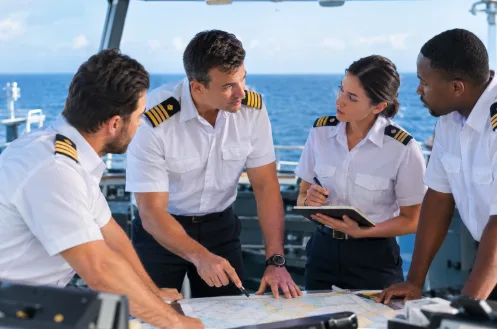
Navigating the complexities of modern maritime operations requires much more than technical expertise. As vessels become more advanced and international regulations grow stricter, the human factor remains the most critical component of safety and efficiency at sea. Senior shipboard officers must possess exceptional communication, decision-making, and resource management skills to lead diverse crews through unpredictable challenges.
Understanding the Human Element in Maritime Operations
Maritime safety statistics consistently highlight that human error contributes significantly to incidents at sea. These issues rarely stem from a lack of technical knowledge. Instead, breakdowns in team coordination, fatigue, poor situational awareness, and ineffective leadership are often the root causes.
The Human Element, Leadership and Management framework was introduced to address these specific vulnerabilities. By focusing on psychological principles, interpersonal dynamics, and structured decision-making, maritime professionals learn how to manage stress, encourage open communication on the bridge, and resolve conflicts before they impact vessel operations.
The Role of Senior Leadership on Board
Commanding a vessel or overseeing an engine room requires balanced leadership. Senior officers must make critical decisions under extreme pressure while maintaining a safe, compliant, and productive environment. Effective management is not about issuing orders blindly; it involves empowering team members, utilizing available resources, and establishing a culture of mutual trust.
Investing in comprehensive HELM management level training gives senior officers the vital leadership tools required to handle real-world scenarios. This training emphasizes workload management, emergency response leadership, and effective delegation. Officers gain a deeper understanding of how personal behavior impacts crew performance, ensuring that safety protocols are maintained even during high-stress situations.
Flexible Learning for Busy Maritime Professionals
Taking extended leave from sea to complete shore-based training can be challenging for active seafarers. Schedules are tight, and time off is valuable. Modern educational frameworks now support flexible learning models that allow mariners to advance their qualifications without disrupting their career progression or personal lives.
Enrolling in an online HELM M course offers the ideal solution for officers seeking flexible professional development. Through interactive modules, case studies, and structured assessments, participants gain the same high-level insights as traditional classroom settings. This digital format allows candidates to study at their own pace, reviewing complex management concepts whenever their schedule permits.
Key Competencies Developed in Management Level Training 1. Resource Management and Workload Allocation: Senior officers learn how to assess crew capacities, distribute tasks fairly, and prevent operational fatigue during demanding voyages.
- Situational Awareness and Risk Assessment: Leaders develop techniques to continuously monitor their environment, recognize early warning signs of danger, and implement corrective measures promptly.
- Effective Communication and Cultural Awareness: Modern crews are multicultural. Understanding how cultural differences influence communication styles helps leaders foster clarity and avoid dangerous misunderstandings on board.
- Crisis Management and Decision Making: When emergencies occur, clear thinking is paramount. Training provides structured frameworks for analyzing options, choosing the safest path forward, and keeping the crew focused.Career Progression and Regulatory Compliance
For officers aiming to advance to the rank of Master, Chief Mate, Chief Engineer, or Second Engineer, acquiring certified leadership qualifications is essential. Maritime authorities recognize that leadership capabilities are directly tied to overall maritime safety. Completing accredited management training demonstrates a commitment to professional excellence and regulatory readiness.
Beyond meeting compliance requirements, mastering human element principles enhances career longevity. Shipowners and management companies actively seek leaders who can maintain high crew morale, lower operational risk, and keep vessel activities running smoothly.
Conclusion
Effective leadership at sea is a continuous learning process that combines practical experience with structured human element training. As maritime technology evolves, the ability to manage personnel, foster teamwork, and make sound decisions under pressure remains priceless. Whether preparing for a promotion or refreshing management skills, upgrading your leadership training ensures you are fully equipped to guide your crew and vessel safely toward every port.