Open-Cell or Closed-Cell? How San Antonio Homeowners Weigh Spray Foam Options
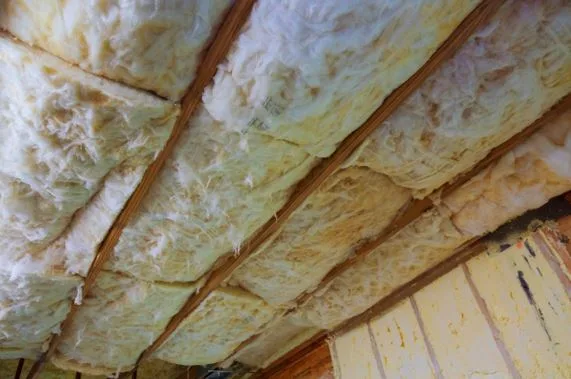
Spray foam has become one of the most requested insulation upgrades in the San Antonio market, and for good reason. In a climate defined by long, hot summers and heavy air conditioning use, the ability to seal a home tightly against outside air carries real value. Yet many homeowners discover, once they start asking questions, that spray foam is not a single product. The choice between open-cell and closed-cell foam shapes the result more than most people expect.
What Makes Spray Foam Different
Unlike traditional batts, spray foam is applied as a liquid that expands within seconds to fill the space it is sprayed into. As it cures, it forms a continuous layer that does two jobs at once. It slows heat transfer the way any insulation does, and it also acts as an air barrier, sealing the small cracks and gaps that let conditioned air leak out. In a market where cooling costs run high for much of the year, that air sealing quality is often the deciding factor.
Open-Cell Foam and Where It Fits
Open-cell foam is the softer, more flexible of the two. Its structure leaves tiny pockets that make it lighter and more pliable, and it tends to be the more economical option per square foot. Those qualities make it well suited to interior walls, where it also dampens sound between rooms, and to attic spaces where flexibility and coverage matter more than maximum density. For many homes, open-cell foam delivers strong performance without the higher cost of a denser product.
Closed-Cell Foam and Its Strengths
Closed-cell foam is denser and more rigid, and it delivers a higher R value per inch along with real resistance to moisture. That combination makes it a strong choice for exterior walls, roof lines, and any area where both air and water infiltration are concerns. Because the differences are not always obvious from a brochure, working with a spray foam insulation contractor in the San Antonio area who will walk a home and recommend the right foam for each space usually produces a better outcome than choosing a product in the abstract.
The Air-Sealing Advantage in a Hot Climate
San Antonio homes spend a large share of the year fighting heat rather than cold. In that setting, air infiltration is one of the biggest hidden drivers of energy loss, because every gap that lets hot outdoor air seep in forces the cooling system to work harder to keep up. Traditional insulation slows heat transfer but does little to stop that air movement on its own.
Spray foam addresses the leakage directly by sealing the gaps as it expands, which is why homeowners often notice steadier temperatures and quieter equipment after an upgrade, not just a lower bill. In a climate where the air conditioner runs for much of the year, closing off that constant exchange of indoor and outdoor air can be the single change that makes a home feel consistent from room to room.
What a Quality Installation Involves
The spraying itself happens quickly, but the preparation and the skill of the crew are what determine the result. A careful team masks off adjacent areas, applies the foam to a consistent thickness, and monitors coverage as they work, since the material expands and sets within seconds and cannot be easily reworked once cured. That speed is an advantage in the hands of an experienced installer and a liability in the hands of a rushed one. For most attics, the work is completed within a day, and the space is ready to perform as soon as the foam has cured.
A Caution Worth Knowing
Spray foam is not the right answer for every attic, and an honest contractor will say so. Homes with a gas furnace or gas water heater located in the attic depend on a supply of combustion air, and sealing that space too tightly can starve those appliances and create a safety issue. A careful assessment looks at what equipment lives in the attic before recommending a fully sealed approach. This is exactly the kind of detail that separates a thoughtful installation from a rushed one.
Matching the Material to the Home
The best spray foam project starts with the house, not the product. Once a homeowner understands how open-cell and closed-cell foam differ, and how each interacts with their attic, walls, and existing equipment, the decision becomes much clearer. For San Antonio households looking to tame their cooling costs, the payoff comes from matching the right foam to the right space rather than reaching for a one size fits all solution.