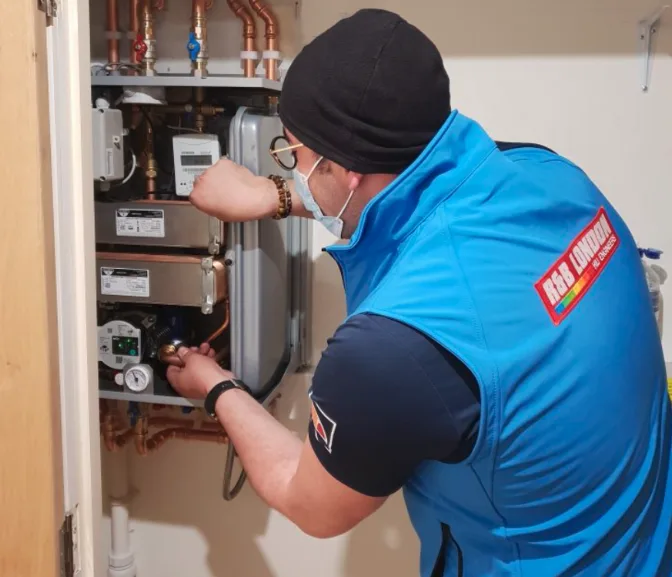
Optimising Heat Interface Units for Efficient District Heating in Residential Buildings
Introduction
Effective management of district heating systems in multi-residential buildings depends heavily on the performance of Heat Interface Units (HIUs). These units serve as the critical link between centralised energy production and individual apartments, ensuring that tenants receive consistent heating and hot water. Without properly functioning HIUs, energy can be wasted, costs can rise, and tenant comfort may be compromised. Regular maintenance and professional service of these units are essential to maintain system reliability, optimise energy efficiency, and prevent avoidable disruptions. For housing associations, landlords, and property managers, understanding the role of HIUs and implementing structured servicing protocols can significantly enhance both operational performance and resident satisfaction.
HIUs are responsible for transferring thermal energy from district heating networks to the heating and domestic hot water systems within individual homes. Their design allows for precise temperature control, balanced water flow, and monitoring of energy consumption. Given the complexity of modern HIUs, such as Danfoss and Altecnic SATK32 models, professional servicing ensures that every component, from sensors to valves, operates according to manufacturer specifications. Neglecting regular service can lead to scale accumulation, mechanical wear, and system inefficiency. By adhering to established maintenance schedules, property managers can reduce the risk of costly emergency repairs and ensure a longer operational lifespan for each unit.
The importance of HIU service extends beyond mere technical performance. Residents benefit directly from reliable hot water and heating, while landlords and managing agents can demonstrate compliance with safety and energy efficiency standards. HIU servicing also supports proactive fault detection, allowing issues to be addressed before they escalate into significant downtime. Companies such as R&B London HIU Engineers Limited specialise in delivering professional HIU service, repairs, and planned maintenance across London’s communal and district heating schemes. Their engineers follow manufacturer service procedures, including SAV Systems training, and provide clear service reports with actionable recommendations. Overall, a structured approach to HIU management contributes to operational efficiency, tenant comfort, and energy sustainability.
Understanding Heat Interface Units (HIUs)
Heat Interface Units act as the critical junction between district heating systems and individual residential properties. They transfer thermal energy from central plant systems to local heating circuits, ensuring that apartments receive controlled heat and domestic hot water. HIUs achieve this through a combination of heat exchangers, pumps, valves, and sensors that regulate flow and temperature. Modern units often include digital monitoring capabilities, enabling accurate measurement of energy usage and system performance. Their efficiency directly affects both energy consumption and tenant satisfaction, making a thorough understanding of their operation essential for property managers.
There are several types of HIUs available, each designed to meet specific building requirements. Primary HIUs connect directly to a centralised district heating network, whereas secondary HIUs are installed within a building’s internal distribution system. Popular models include Danfoss units, which are known for compact design, durability, and straightforward integration into various heating schemes. Altecnic SATK32 units offer advanced temperature modulation, allowing for precise hot water delivery even during peak demand periods. Selecting the appropriate HIU depends on factors such as building size, flow requirements, and compatibility with existing systems.
Integration with the building’s broader mechanical infrastructure is a critical consideration. HIUs must work seamlessly with radiators, underfloor heating circuits, and hot water storage systems. The units’ sensors and control valves continuously adjust flow rates and temperature to maintain comfort while optimising energy efficiency. Proper installation and configuration are crucial to prevent imbalances or system strain that could compromise performance. Trained engineers, following manufacturer protocols such as SAV Systems procedures, ensure that every HIU is installed and calibrated correctly, supporting long-term reliability.
Beyond technical integration, understanding HIUs involves recognising their operational limitations and maintenance needs. Each unit has a specific design capacity, recommended service intervals, and fault tolerance. Regular monitoring and servicing prevent scale build-up, sensor drift, and valve failure. For property managers and housing associations, investing in professional servicing reduces unexpected downtime and extends the functional life of the units. Properly managed HIUs contribute to consistent heating, lower energy costs, and improved tenant satisfaction.
Common HIU Models and Their Technical Specifications
Choosing the right Heat Interface Unit requires knowledge of model-specific performance characteristics and technical specifications. Among the most widely used are the Danfoss range and the Altecnic SATK32 series, each with distinct features tailored to residential district heating applications. These units vary in flow capacity, heat output, materials, and compatibility with system controllers. Understanding these specifications helps property managers and engineers make informed decisions, ensuring optimal performance and energy efficiency for each building.
Danfoss HIUs are highly regarded for their modular design and robust construction. They typically feature stainless steel or copper heat exchangers, supporting both durability and efficient thermal transfer. Flow rates can range from 6 to 18 litres per minute depending on the model, allowing flexible adaptation to varying household demand. Danfoss units often include integrated sensors and electronic controllers, which help maintain temperature stability and provide diagnostic feedback. These units are compatible with SAV Systems protocols, making servicing and monitoring straightforward for trained engineers.
The Altecnic SATK32 series prioritises precise temperature control and responsive modulation. These units are equipped with advanced thermostatic valves and digital readouts, enabling accurate hot water delivery even under fluctuating network pressures. Flow capacities are generally between 10 and 20 litres per minute, suitable for mid- to large-scale residential applications. SATK32 units also include corrosion-resistant components to minimise maintenance requirements. Their compatibility with a wide range of district heating schemes makes them a popular choice for housing associations and multi-residential developments.
Performance benchmarks are critical when evaluating HIUs. Energy efficiency ratings, heat exchanger effectiveness, and pressure drop across the unit are primary indicators of suitability. Units with higher efficiency minimise energy losses and reduce operational costs over time. Additionally, material quality and component design influence maintenance frequency and unit longevity. By comparing specifications and consulting service professionals, building managers can ensure that the selected HIU meets both technical and practical requirements. Properly matched units contribute to reliable heating, consistent hot water, and tenant satisfaction across the building.
The Role of HIU Servicing in Preventing System Downtime
Heat Interface Units (HIUs) are critical components in district heating systems, supplying heat and hot water to multiple apartments. Their continuous operation means that any malfunction can cause discomfort for residents and lead to increased energy costs. Regular servicing ensures these units remain reliable and efficient, reducing the risk of unexpected breakdowns. Professional maintenance focuses on prevention, early detection of faults, and adherence to manufacturer guidelines. By implementing structured servicing routines, property managers can safeguard both system performance and tenant satisfaction.
- Comprehensive Component Inspection: Servicing involves checking mechanical, electrical, and hydraulic components for wear or malfunction. Pumps, valves, and heat exchangers are carefully inspected for corrosion, scaling, or other issues that could restrict flow. Detecting minor faults early allows engineers to prevent costly repairs and maintain uninterrupted system operation.
- Energy Efficiency Maintenance: Over time, scale accumulation, blocked filters, and sensor drift can reduce an HIU’s efficiency, increasing energy consumption. Routine cleaning and calibration restore optimal performance, ensuring precise heating and hot water delivery. Maintenance reports also provide documentation for property managers, supporting audits and demonstrating operational accountability.
- Preventing System Downtime: Professional servicing helps identify potential failures before they escalate into total shutdowns. This minimizes disruption for residents and reduces the need for emergency repairs. Early fault detection contributes to smoother operation and compliance with housing regulations.
- Long-Term Cost Savings: Consistently maintained HIUs experience less wear and tear, lowering the likelihood of premature component failure. This reduces repair costs and extends the service life of each unit. Following manufacturer-approved procedures ensures that units operate efficiently and reliably over time.
- Enhancing Tenant Satisfaction: Transparent communication regarding servicing schedules helps build trust with residents. Knowing that units are professionally maintained reassures tenants about consistent heating and hot water availability. A proactive approach to HIU care ultimately improves the overall living experience in multi-residential buildings.
Regular HIU servicing is a key strategy for preventing downtime and maintaining reliable heating systems. By inspecting components, addressing minor faults, and calibrating equipment, property managers can ensure efficient and uninterrupted operation. This proactive maintenance not only lowers long-term repair costs but also supports energy efficiency and regulatory compliance. Professional servicing contributes to resident comfort, satisfaction, and trust in building management. Ultimately, investing in expert HIU maintenance protects both building performance and the quality of life for tenants.Companies such as R&B London HIU Engineers Limited follow manufacturer-approved procedures, including SAV Systems training, to ensure each HIU operates at peak efficiency. Ultimately, a proactive maintenance strategy safeguards both building performance and resident comfort, reinforcing the value of expert HIU service in multi-residential developments.
Pre-Service Inspection Procedures
Before performing maintenance on a Heat Interface Unit, a thorough pre-service inspection is essential to ensure safe and effective servicing. This process establishes the unit’s current condition, identifies potential issues, and provides a baseline for any subsequent repair or cleaning work. Property managers and engineers rely on structured inspection protocols to prevent errors and maintain compliance with manufacturer standards. Proper documentation during this stage also supports long-term maintenance planning and helps justify service costs to housing associations or landlords.
The inspection begins with visual assessment and system checks. Engineers examine external components for corrosion, leaks, or physical damage. Flow rates are measured, and pressure readings are compared against manufacturer specifications to identify inconsistencies. Valves and actuators are tested to confirm proper operation, ensuring that water distribution and heat delivery are not compromised. Temperature sensors and controllers are evaluated to verify accurate measurement and responsive control, preventing potential overheating or underheating scenarios.
Next, engineers perform functional testing of internal components. Heat exchangers are assessed for signs of scaling or blockage, which could impede energy transfer efficiency. Pumps are examined for unusual vibration, noise, or reduced performance, indicating wear or mechanical stress. Electronic controllers are interrogated for fault codes or irregular readings, providing early warnings of emerging issues. This diagnostic step ensures that minor malfunctions can be corrected before they escalate into major system failures.
Pre-service inspection also involves evaluating system integration. HIUs must be checked in the context of the wider district heating network, confirming that supply and return connections function correctly. Engineers review any past service records and compare current readings against historical performance data. Identifying deviations from expected behaviour allows for targeted maintenance, reducing downtime and operational risk. Completing these procedures before cleaning or component replacement ensures a structured, safe, and effective service process, supporting long-term HIU reliability and energy efficiency.
Cleaning and Maintenance Protocols
Maintaining Heat Interface Units requires a systematic approach to cleaning and component care to ensure peak performance. Over time, limescale, sediment, and other deposits can accumulate within heat exchangers and pipework, reducing efficiency and increasing the risk of component failure. Regular maintenance, following manufacturer-recommended protocols, helps prevent these issues while prolonging the lifespan of each unit. Professional engineers perform cleaning tasks with specialised tools and chemicals, ensuring both safety and effectiveness. Adhering to a structured maintenance schedule also provides property managers with a record of ongoing care and operational reliability.
Key steps in HIU cleaning and maintenance include descaling, filter replacement, and inspection of internal components. Descaling targets heat exchangers, removing mineral build-up that can hinder heat transfer and increase energy consumption. Professional-grade descaling solutions are used in controlled conditions to avoid damaging sensitive components. Filter replacement involves checking inlet and circulation filters for debris accumulation. Clogged filters can restrict water flow, causing pumps to work harder and leading to premature wear. Replacing these components at recommended intervals maintains system balance and supports efficient operation.
Internal components such as pumps, valves, and sensors also require regular attention. Engineers inspect moving parts for signs of wear, lubricate where appropriate, and verify that electrical connections are secure. Thermostatic valves are tested to confirm they regulate temperature accurately. Faulty or dirty sensors can result in incorrect temperature readings, leading to energy waste or inconsistent hot water delivery. Cleaning these components ensures that the HIU functions as designed, with consistent performance across all connected apartments.
Proper record-keeping complements maintenance protocols. Each service visit is documented, including cleaning procedures, replaced components, and measured performance metrics. These reports assist property managers in planning future service visits and support compliance with safety and efficiency standards. When performed systematically, cleaning and maintenance reduce the risk of unexpected breakdowns, enhance energy efficiency, and maintain tenant comfort. Ultimately, a disciplined approach to HIU upkeep is essential for sustainable and reliable district heating operations.
Troubleshooting HIU Fault Codes
Heat Interface Units include diagnostic systems that generate fault codes when issues arise. Understanding and addressing these codes is critical for maintaining uninterrupted heating and hot water in residential buildings. Danfoss and Altecnic SATK32 units, for example, provide error messages related to sensor failure, pump malfunction, or valve obstruction. Prompt interpretation and professional response ensure that minor problems do not escalate into system-wide downtime. For property managers, having a structured fault code management strategy reduces repair costs and ensures tenant satisfaction.
A common fault code in Danfoss HIUs indicates low flow in the heating circuit. Engineers verify that pumps are operational and that filters or valves are not obstructed. Flow meters and pressure gauges are checked to confirm readings match expected values. In Altecnic SATK32 units, temperature sensor failure codes may appear if a sensor reports values outside the acceptable range. Inspecting sensor wiring, connections, and placement allows engineers to identify whether recalibration or replacement is required. Accurate diagnosis prevents unnecessary component replacement and ensures reliable operation.
Valve errors are another frequent issue. Malfunctioning or partially blocked valves can restrict water flow, triggering system alarms. Servicing involves disassembling the valve, cleaning internal parts, and checking actuator performance. Electrical or mechanical faults in actuators are corrected to restore proper operation. In cases of repeated fault codes, engineers may also assess compatibility with control systems or check for upstream network issues affecting the HIU. This comprehensive approach ensures problems are addressed holistically rather than symptomatically.
Documenting and monitoring fault codes forms an essential part of preventative maintenance. Engineers log each code, the identified cause, and the corrective actions taken. Regular review of these records helps predict future issues and informs service planning. Understanding and addressing HIU fault codes quickly maintains energy efficiency, prevents resident disruption, and extends the life of the unit. By integrating troubleshooting into routine servicing, property managers can achieve consistent system performance and reliable heating delivery across all residential units.
Safety Protocols During HIU Servicing
Safety is a fundamental aspect of Heat Interface Unit (HIU) maintenance, given the high temperatures and pressurised conditions these units operate under. Improper servicing can result in serious injury, property damage, or system malfunction. Engineers follow strict safety protocols to protect themselves, residents, and the building during all maintenance activities. Proper preparation, including electrical isolation and pressure management, is essential for risk-free servicing. Adhering to structured procedures also ensures compliance with UK health and safety regulations and manufacturer guidelines.
- Electrical Isolation: Before servicing, power to the HIU is switched off to prevent accidental electrical shocks. Lockout-tagout procedures are applied to ensure the unit cannot be inadvertently re-energised during work. This precaution is crucial when inspecting sensors, electronic controllers, or actuators, as even low-voltage components can pose risks.
- Pressurised Water Management: Engineers release system pressure before removing valves, heat exchangers, or other components. Protective clothing and insulated gloves are worn to prevent burns from hot water. Continuous monitoring of temperature and pressure gauges ensures that any residual energy in the system is safely managed.
- Chemical Handling Protocols: Cleaning agents and chemical descalers are used according to manufacturer instructions in ventilated areas. Spill containment measures and proper disposal procedures are strictly followed to avoid environmental hazards. Regular training ensures that engineers can safely handle chemicals and recognise potential risks during maintenance.
- Resident and Property Protection: Structured safety protocols minimise the risk of accidents that could affect residents or damage property. By controlling hazards effectively, engineers can complete servicing efficiently and without disruption. Compliance with health and safety standards reassures property managers of responsible maintenance practices.
- Continuous Safety Training: Engineers undergo regular training to stay updated on safety procedures and best practices. This ensures they can respond to new risks or equipment updates effectively. Prioritising ongoing education reinforces safe and efficient servicing across all HIU maintenance operations.
Safety is a non-negotiable component of professional HIU servicing. Electrical isolation, pressure management, and careful chemical handling protect both engineers and residents. Following established safety protocols also ensures regulatory compliance and reduces the risk of accidents. Continuous training and structured procedures maintain a high standard of safety awareness in every maintenance activity. Ultimately, prioritising safety during HIU servicing ensures that operational reliability and resident welfare are never compromised.
Service Record-Keeping for Property Managers
Maintaining accurate service records is essential for effective management of Heat Interface Units. Documentation provides evidence of regular maintenance, supports compliance with safety standards, and allows property managers to track unit performance over time. Detailed records include inspection findings, cleaning procedures, component replacements, and any fault code resolutions. Organised record-keeping enhances transparency and enables proactive planning for future servicing.
Digital and physical methods can be used for logging maintenance activities. Software tools allow engineers to input service reports, photographs, and performance metrics directly into a central database. Property managers can access this information in real time, facilitating scheduling and resource allocation. Paper-based logs, while less dynamic, provide a tangible audit trail that may be required for regulatory purposes. Combining both methods ensures comprehensive documentation and easy retrieval when needed.
Key elements of service records include the date of service, unit model, and serial number. Engineers record all maintenance actions, including filter replacements, descaling, valve inspections, and sensor calibrations. Any detected faults, corrective measures, and follow-up recommendations are also logged. These records help property managers monitor recurring issues and evaluate the effectiveness of servicing protocols. Over time, patterns in maintenance needs can guide decisions on retrofitting or upgrading HIUs.
Service documentation also plays a role in tenant communication and satisfaction. Providing clear evidence of regular maintenance reassures residents that their heating and hot water systems are reliable. For housing associations and landlords, these records demonstrate compliance with contractual and regulatory obligations. In addition, well-maintained records support budgeting for replacements, parts, and engineer visits. Ultimately, structured service record-keeping is a cornerstone of professional HIU management, safeguarding both operational efficiency and resident trust.