Outdoor Advertising: Connect With Audiences in High-Traffic Areas
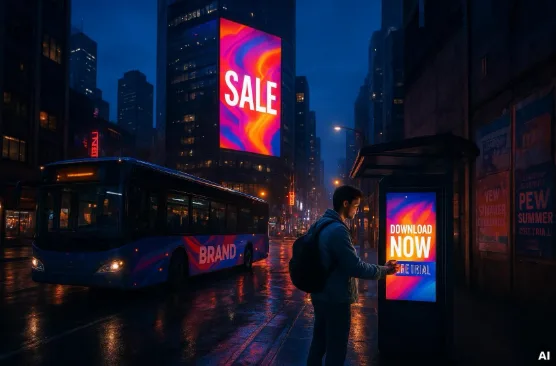
Have you noticed how some brands catch your eye when you’re out in town or driving on a main road? That’s outdoor advertising. This type of promotion is also called Out-of-Home (OOH) advertising. It has helped businesses reach large groups of people for a very long time, moving from early public signs to today’s digital screens. Its strength comes from being hard to miss, which is why it often plays a big part in a strong marketing plan.
Unlike many online ads that people can skip or block, outdoor ads are part of everyday life. You see them while commuting, shopping, or spending time in public areas. They help brands build recognition and can shape buying choices by showing the message again and again. If you want to get strong results and explore OOH advertising with agency BE Media, you’ll find there are more choices than ever, including many modern formats.
This article explains outdoor advertising in a clear way: what it is, the main formats, the biggest benefits, and what to think about when planning campaigns for busy locations.
What Is Outdoor Advertising?
Outdoor advertising means any ad that reaches people when they are outside their homes, usually in public places. In simple terms, it’s about making an impression while people are on the move. It includes large billboards next to highways, posters in city centers, and digital screens at bus stops. The main goal is simple: catch attention fast and deliver the message clearly, often in just a few seconds.
Outdoor advertising is one of the oldest ways to reach big audiences, and it still works well today. Instead of disappearing, it has changed over time and adopted new technology, making campaigns more flexible and engaging. Because these ads are placed in busy areas-like main streets, highways, transit stations, and shopping zones-they get seen by many different types of people.
How Outdoor Advertising Connects With Audiences in High-Traffic Areas
Outdoor ads work well in busy places because they are always there while people go about their day. In cities, people are constantly moving-going to work, visiting shops, or waiting at traffic lights. OOH ads show up at many points in this daily routine, becoming part of what people see again and again.
Since outdoor ads can’t be scrolled past like a social media ad, they stay visible. Seeing the same logo, image, or message over time builds familiarity. Familiar brands often feel more trustworthy, which can influence people later when they need a product or service. It’s about being a known presence in a local area.
What Are the Main Types of Outdoor Advertising?
Outdoor advertising comes in many formats. Each one fits different goals and audiences. New technology has also added more options, moving beyond printed ads into digital displays and interactive ideas.
Billboards (Static and Digital)
Billboards are often what people think of first. They are large displays found on highways, main roads, and in busy city areas. Static billboards use bold visuals and short text, and they still work well for reaching a wide audience.
Digital billboards use LED screens and can show several ads in a rotation. They can include animation, video, and quick updates. This is useful in city centers and other busy places where messages may need to change often, such as for short promotions or event announcements.
Transit Advertising (Buses, Taxis, Subways, Airports)
Transit advertising reaches people while they travel. Ads can appear on buses, trains, taxis, subways, and inside transit stations or shelters. It works well for commuters who often see the same route and the same ads regularly, which helps memory.
Options range from full bus wraps to digital screens inside trains. Newer systems allow content to be updated quickly, and messages can be changed based on location or timing. Planning this kind of campaign usually goes through an outdoor advertising agency such as BE Media, which handles both the creative side and the media placement.
Street Furniture (Bus Shelters, Kiosks, Benches)
Street furniture ads use public items like bus shelters, kiosks, benches, and even public restrooms. These placements are usually in areas with lots of pedestrians, where people may stop and wait, giving them more time to notice the ad.
This format works well for local messages because it reaches people nearby. With digital screens, street furniture ads can also show updated content, making the message more timely and relevant.
Retail and Mall Media
Retail outdoor advertising appears in and around shopping areas like malls, outdoor shopping centers, supermarkets, and gas stations. The goal is to influence shoppers close to the point of purchase, where a promotion can lead to an impulse buy.
Digital displays in retail spaces can show changing offers, help people find locations (wayfinding), and promote events. This helps guide shoppers and can increase store visits and sales.
Posters, Banners, and Wallscapes
Posters and banners are flexible and can be used in many places: on buildings, across streets, or at sports events. They work well for events, launches, and seasonal deals. They are simple but visible, and can fit different locations.
Wallscapes take this idea much further. These are very large ads placed on the sides of buildings, creating a big visual impact. They can stand out in a city and even feel like a landmark.
Mobile Billboards and Vehicle Wraps
Mobile billboards place ads on vehicles that move through selected areas. This increases visibility by bringing the message to where people are. Examples include wrapped vans and trucks, or trailers with ad panels that can be moved from place to place.
A major benefit-especially for digital mobile billboard trucks-is reaching areas where fixed billboards may not work well, like neighborhoods, event zones, or places with strict sign rules. Messages can also be updated quickly to match a promotion or local situation.
Event and Stadium Advertising
Event and stadium advertising uses screens and displays at sports arenas, concert venues, and other large event spaces. People at events are a focused audience, making this a strong way to get brand exposure.
Digital screens can show live stats, replays, sponsor messages, and promotions during the event. This keeps attention high and gives brands a chance to connect with fans in an exciting setting.
Guerrilla and Ambient Outdoor Media
Guerrilla advertising uses unusual and creative ideas in public spaces to surprise people and make the brand memorable. It can include installations or creative objects placed in a way that feels like part of the environment.
Digital tools can add even more impact, such as projections or augmented reality (AR). These campaigns can be highly shareable online, helping the message spread through social media.
What Are the Benefits of Outdoor Advertising in High-Traffic Areas?
Outdoor advertising in busy areas offers several strong advantages. It can reach many people, repeat the message often, and help brands stand out in a way other channels can’t always match.
Maximizing Reach and Exposure
A key benefit is reach. OOH ads are placed where many people pass every day-busy intersections, highways, and transit stations. This can mean thousands or even hundreds of thousands of views daily.
Since outdoor ads can’t be blocked like online ads, they stay visible. This repeated exposure helps build brand awareness across a broad audience.
Building Brand Recognition
Seeing the same brand message often builds recognition. When people repeatedly notice a logo, slogan, or visual-on a commute route or in a shopping area-it becomes familiar. Over time, familiar brands often feel more reliable.
Even without an immediate purchase, the message stays in the background. Later, when the person needs that product or service, they may choose the brand they remember.
Targeting Commuter and Local Audiences
Outdoor ads can reach people where they live, work, and shop. For local businesses, this can directly increase visits. A billboard near a store can bring in customers who see it and then pass the location soon after. Transit ads can reach regular commuters on specific routes.
This type of targeting is based on place and routine. By understanding where people travel each day, businesses can place ads where the right group will see them often.
Enhancing Message Recall and Memorability
Outdoor ads are built for quick understanding. Because people often only have a moment to look, the best ads use bold visuals, short text, and a clear action (like “Visit today” or a website name).
Strong images, high-contrast colors, and easy-to-read fonts help people remember the message. A well-placed and well-designed ad can stay in someone’s mind long after they’ve seen it.
What Are the Challenges and Limitations of Outdoor Advertising?
Outdoor advertising has many strengths, but it also comes with challenges. Knowing these issues early helps you plan better and avoid wasted spend.
Design and Visual Constraints
The biggest challenge is time. People may only look for a second or two, so the ad must be simple and clear. Strong colors, readable fonts, and short wording matter a lot.
Outdoor ads also deal with weather and other outside conditions. Rain, fog, or extreme heat can affect visibility and foot traffic. Materials need to hold up, and digital content may need planning based on conditions.
Measuring Campaign Effectiveness
OOH results can be harder to measure than digital ads, where you can track clicks right away. Outdoor advertising usually needs a mix of tracking methods.
Common ways include:
- QR codes or promo codes shown on the ad
- Increases in calls, website visits, or map requests during the campaign
- More branded searches (people typing your name into Google)
- Social media mentions and posts about the campaign
- Foot traffic changes that match the campaign schedule
DOOH can also provide more data and reporting than traditional formats, helping brands understand performance more clearly.
Legal and Zoning Restrictions
Outdoor ad placement often has strict rules. These rules can change by city and even by neighborhood. They can limit where signs can go, how big they can be, and what they can look like.
Ads must also be safe-especially near roads-and content must follow local standards. Some areas restrict ads near landmarks, parks, or protected locations unless you have special permits. Because rules can be detailed, planning ahead and checking requirements can prevent fines or having to remove an ad later.
Environmental and Sustainability Considerations
More people now care about sustainability, and outdoor advertising is part of that discussion. Traditional large displays can create waste, but the industry is responding with greener options.
Examples include:
- Using recycled or more sustainable materials for prints
- LED screens that use less energy than older lighting methods
- Working with local artists to create murals or public art that also carries a brand message
These steps can lower environmental impact and also appeal to customers who prefer brands with responsible practices.
How Does Location Influence Outdoor Advertising Success?
For outdoor advertising, placement matters more than almost anything else. Even a strong design can underperform if it’s in the wrong spot. The best results come from reaching the right people in the right place at the right moment.
Selecting High-Traffic Locations for Maximum Impact
Busy locations give the highest exposure. Examples include city centers, major intersections, transit hubs, and popular commuter routes. These areas bring a steady flow of people, which increases the number of times your ad is seen.
A great location can make even a simple ad perform well because it becomes part of what people see every day.
Traffic Counts and Audience Demographics
Good planning goes beyond “busy.” Traffic counts show how many cars pass a location daily. Higher counts often mean more views. But speed also matters. Places where traffic slows down-near lights or congestion-give people more time to read the message.
Audience information matters too. It’s not just how many people pass by, but who they are. By looking at local demographics, shopping behavior, and commute patterns, brands can choose placements that match their customer profile.
Proximity to Businesses and Points of Interest
How close the ad is to a store or key location can affect results. A billboard near a business can drive immediate visits. This is especially valuable for local companies that depend on walk-in or drive-by customers.
Ads near shopping centers, event venues, or other popular places can reach people right when they are deciding what to do next. Even ads farther away can still build awareness over time, but matching placement to the customer’s path often gives better results.
What Factors Should You Consider When Planning an Outdoor Advertising Campaign?
A strong outdoor campaign comes from clear planning and smart choices. Before you book placements, it helps to think through goals, budget, design, timing, and partners.
Aligning with Business Objectives
Start by deciding what you want the campaign to do. Common goals include:
- Build brand awareness
- Increase store visits
- Promote a new product or event
- Support a wider marketing push
Outdoor advertising usually works best when it supports other marketing channels. For example, someone might see a billboard, then search online later. Or a transit ad may reinforce a message already seen on social media.
Budgeting and Cost Breakdown
Outdoor ad costs depend on several factors:
- Location: Busy, high-visibility spots cost more
- Format: Printed ads are often cheaper than digital screens
- Duration: Longer campaigns cost more but can improve recall
- Production: Printing quality, materials, and installation affect cost
Higher-quality materials may cost more but can be worth it for longer runs. A clear budget plan helps you balance reach, format, and quality without surprises.
Creative Design and Brand Consistency
Design matters because people see outdoor ads quickly. Strong outdoor designs usually include:
- Large, clear text
- One main idea (not too many messages)
- Bold visuals
- A clear call to action
Your outdoor ad should also match your brand style. Keep colors, fonts, and tone consistent with your other marketing. This helps people recognize you faster and builds trust over time.
Duration and Timing
Outdoor campaigns often run in set time blocks (billboards are commonly booked in four-week periods). Many local brands see stronger results when campaigns run for three months or more, since repetition builds recognition.
Timing also matters. Campaigns linked to seasons, holidays, or major events can perform better because people are already in a buying mindset. Limited-time offers can also push faster action.
Choosing the Right Vendor or Platform
A good outdoor advertising partner helps you choose the right format and placement, based on your goals and audience. For mobile billboard campaigns, fleet size can affect coverage and reach.
It also helps to work with a vendor that offers flexible options-especially for digital OOH-such as quick content updates and reporting tools. Better data can help improve results during the campaign, not just after it ends.
How Can Outdoor Advertising Integrate with Digital Marketing?
Many of the best marketing plans connect offline and online channels. Outdoor advertising can support digital growth by pushing people to search, visit, and interact online.
Driving Online Activity from Outdoor Campaigns
Outdoor ads often lead people to look up a brand later. A billboard or bus ad can spark interest and cause an increase in:
- Branded searches
- Website visits
- Social media views and follows
To make the most of this, your online presence should be ready before the campaign begins. Keep your website updated, your Google Business Profile accurate, and your social pages active.
Utilizing Data and Digital Out-of-Home (DOOH) for Targeting
DOOH uses digital screens in public spaces. It allows content changes in real time and can show different messages based on time of day, weather, or local events.
DOOH can also use data to improve targeting. Brands can learn more about movement patterns and choose placements that match the audience they want, linking physical locations with smarter planning.
Examples of Online and Offline Synergy (QR Codes, Social Media)
Outdoor campaigns often connect to digital channels through interactive elements like:
- QR codes: send people to a landing page, app download, or special offer
- NFC and mobile touchpoints: quick phone-based interactions
- Hashtags and social prompts: encourage people to post and share photos
These tools help turn awareness into action and make it easier to track interest from the campaign.
Conclusion
With so many digital messages fighting for attention, outdoor advertising still stands out because it is physical, public, and hard to avoid. It becomes part of daily routines and keeps brands visible in real places. OOH is not outdated-it has changed into a modern channel that uses digital screens, data, and new formats to create strong connections.
Outdoor advertising will keep moving forward with more interactive screens, smarter targeting, and greener materials. Its ability to cut through online noise, build brand familiarity, and support digital marketing helps it stay as a key part of many marketing plans, creating lasting impressions well beyond the first glance.
Frequently Asked Questions about Outdoor Advertising
Is outdoor advertising cost-effective for small businesses?
Yes. Outdoor advertising can work well for small businesses, especially those that depend on local customers. The key is choosing the right placement and format.
Many small companies use bus shelter ads, local transit wraps, storefront signage, or smaller billboard placements. Digital screens with shared rotations can also be a lower-cost way to get started. Because outdoor ads are hard to ignore, they can bring steady visibility and strong value over time.
How do I know if my outdoor advertising is reaching the right audience?
It starts with choosing placements along routes your customers already use, such as commutes, school routes, and roads leading to shopping areas.
Many outdoor advertising partners provide traffic data and audience details for specific locations. Digital billboards can also show different messages at different times, like one offer in the morning and another in the evening, to better match what that audience cares about in that moment.
What are the current trends in outdoor advertising?
Outdoor advertising is changing quickly, mainly due to technology and new audience habits. Major trends include:
- More Digital Out-of-Home (DOOH), including digital mobile LED trucks
- Interactive campaigns, including AR features and touch-based displays
- More data use for smarter placement and better message timing
- Greener materials and lower-energy display options
- Stronger links to digital channels through QR codes, NFC, and social campaigns
These changes are making OOH more flexible, more trackable, and more engaging than in the past.
Can outdoor advertising be environmentally friendly?
Yes. More outdoor campaigns now use greener methods to lower waste and energy use.
Common approaches include recycled or biodegradable print materials, LED screens that use less power, and more careful design and placement so ads fit better into public spaces. Some brands also work with local artists to create murals or installations that bring value to the area while still sharing a message.