Outdoor Boiler Wood Maintenance Checklist for Winter
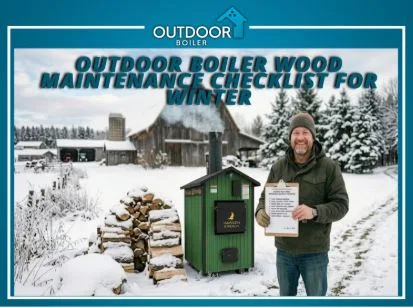
Winter is coming, and your outdoor boiler wood system needs to be ready before the first cold snap hits, not after.
If you’ve been heating your home with an outdoor wood boiler, you already know the magic of walking outside to load a few logs and coming back in to a toasty, warm house. But like anything that works hard, your system needs a little TLC before and during the heating season to keep it running efficiently and safely all winter long.
This is the checklist I follow every year before temperatures really drop. Whether you’re a seasoned boiler owner or heading into your first winter with one, these steps will save you a lot of headaches and potentially a lot of money.
Why Outdoor Boiler Wood Maintenance Matters More in Winter
Think about it this way: your outdoor boiler works the hardest between November and March. That’s when you’re loading more wood, running longer burn cycles, and depending on it 24/7 to keep your family warm. If something goes wrong during a cold snap, you’re not just dealing with an inconvenient repair; you’re dealing with a freezing household.
Consistent maintenance isn’t just about keeping things clean. It protects the lifespan of your system. A well-maintained outdoor wood boiler can last 25 to 30 years, and it often pays for itself in heating savings within just a few seasons. Skipping maintenance, on the other hand, can cut that lifespan dramatically.
The Pre-Winter Outdoor Boiler Wood Maintenance Checklist
1. Clean Out All Ash and Creosote
Before you fire up for the season, the first thing to do is a thorough cleanout. Remove all ash and creosote from the firebox, combustion chamber, and chimney. This is one of the most important steps and one that’s often skipped if you didn’t do a spring cleaning.
Why does it matter so much? Ash that sits in the firebox absorbs moisture over time and can form a corrosive paste that literally eats through the steel. Creosote buildup, on the other hand, is a fire hazard and reduces the efficiency of your burn.
Use a stiff wire brush to clean out the chimney and deflector plate. If you have a GX Afterburner or gasifier model, don’t forget to also brush out the heat exchange tubes.
Going forward, make it a habit to remove ash at least once a week during heavy burning periods. Some wood types, like softwoods, may require more frequent cleanouts.
2. Check and Top Off Your Water Level
Your outdoor boiler relies on a water jacket to transfer heat, so the water level is critical. Before startup, make sure the boiler is full of water. You can verify this with your water level indicator or by filling until water flows out of the vent tube on the roof.
Low water levels are one of the top reasons boilers overheat or sustain internal damage. Check your water level every few days during the heating season, especially during periods of heavy use.
3. Treat Your Boiler Water
This step gets overlooked more than it should. The water sitting in your outdoor boiler’s jacket isn’t just water; it’s the lifeblood of your entire heating system. Without proper treatment, that water becomes corrosive and starts breaking down steel from the inside out.
Use a high-quality water treatment product (such as Liquid Armor) before the season begins. If your water was previously treated, add a fresh half-gallon at startup. Always follow the directions on the treatment bottle.
Better yet, send a water sample to a boiler lab for a free water analysis. Many suppliers, including OutdoorBoiler.com, recommend doing this every 12 months to verify that your water chemistry is where it needs to be.
4. Inspect Your PEX Pipe and Connections
Your insulated underground PEX pipe is what carries hot water from your boiler to your home. Before winter hits, walk the line and check for any signs of damage, exposed insulation, or areas where the pipe may have shifted. Small issues now can become big problems once the ground freezes.
Also, check all fittings, connections, and valves for leaks. Tighten anything that looks loose and replace worn seals.
5. Check Your Pump and Circulation System
Your circulator pump is responsible for moving hot water from the boiler into your home’s heating system. Test it before the season starts to make sure it’s operating properly. Listen for unusual sounds, check that water is flowing correctly, and confirm there’s no air trapped in the lines.
Air in the system is a common issue and is something you’ll want to bleed out before heavy use begins. Keep an eye on your water level indicator if the light is off or acting oddly, it may be time to add water and check for air pockets.
6. Inspect the Door Gaskets and Seals
The door gasket on your firebox is what keeps combustion air controlled and heat inside the burn chamber where it belongs. Over time, gaskets can harden, crack, or compress, which allows too much air in and leads to inefficient burns.
Do a simple paper test: close the door on a piece of paper and try to pull it out. If it slides out easily, your gasket needs replacing. This small fix can make a noticeable difference in how well your boiler burns.
7. Stock and Season Your Wood Properly
This one is so important that it deserves its own section. The wood you burn is directly tied to how efficiently your boiler heats your home. Wet or green wood is one of the most common reasons people find their outdoor wood boilers struggling to heat adequately.
According to the U.S. Department of Energy, properly seasoned firewood should have a moisture content below 20%. Green hardwood can take at least 6 months to dry properly, so ideally you’re cutting, splitting, and stacking your winter supply in the spring.
For the best burns, stick to dense hardwoods like oak, maple, beech, or hickory. They burn longer, produce more consistent heat, and leave behind less creosote. Always store your wood off the ground and covered but still with airflow to continue drying and prevent rot.
8. Add a Creosote Stick Weekly
Even with dry wood and clean burns, some creosote accumulation is normal. A great habit to build into your weekly routine is tossing a creosote-busting stick into the fire. These products work by breaking down creosote deposits inside the flue over the next 24 hours. It’s a low-effort step that goes a long way in keeping your chimney clear all season.
9. Test Your Thermostats and Controls
Before temperatures drop, test all thermostats connected to your outdoor boiler system. Make sure your aquastat (the boiler’s water temperature controller) is set correctly typically between 160°F and 185°F for most systems.
If you have a digital controller or Wi-Fi monitoring, confirm it’s connected and sending alerts properly. The last thing you want is to find out your controller has been offline during the coldest week of the year.
10. Do a Visual Inspection of the Entire Unit
Walk around your boiler and give it a good look-over. Check for:
- Rust spots or peeling paint on the exterior
- Any signs of water pooling around the base
- Loose or missing hardware
- Damage to the chimney cap or rain collar
- Debris (leaves, branches) that may have piled up around the unit
Addressing small cosmetic issues before winter prevents them from becoming structural problems down the road.
Is There Anything I Should Do During the Winter Season Too?
Absolutely, maintenance doesn’t stop once you’ve done your pre-season prep. Here’s what to keep up with throughout winter:
Weekly tasks:
- Remove ash from the firebox
- Check the water level
- Add a creosote stick to the fire
- Visually inspect the boiler
Monthly tasks:
- Inspect door gaskets
- Check for leaks around fittings and PEX connections
- Confirm the circulation pump is running smoothly
- Verify thermostat settings
Staying consistent with these habits will keep your system running at peak efficiency and help you spot any issues before they escalate.
What Type of Wood Is Best for an Outdoor Boiler in Winter?
The best wood for your outdoor boiler in winter is well-seasoned hardwood. Dense hardwoods like oak, hickory, beech, and maple burn hot, slow, and efficiently. They produce more heat per cord and leave less residue than softer wood species.
Avoid burning green, wet, or freshly cut wood, especially in winter. It burns at lower temperatures, produces excess smoke, and dramatically increases creosote buildup in your flue. It also makes your boiler work harder to heat your home, which means loading it more often.
If you’re new to heating with wood and want a deeper dive on choosing the right firewood, the OutdoorBoiler.com blog has a great collection of resources on wood types, burning tips, and system guides.
How Often Should I Clean My Outdoor Wood Boiler?
There’s no single answer that fits every situation; it depends on how much you’re burning and what type of wood you use. As a general rule:
- Daily: Quick visual check of water levels and fire conditions
- Weekly: Ash removal, creosote stick, water level top-off during heavy burning
- Seasonally: Full cleanout and deep inspection before startup and after shutdown
If you’re burning a lot of softwood or notice heavy smoke coming from your chimney, you may need to clean more frequently.
FAQs
Q: How do I know if my outdoor boiler water needs to be treated? The surest way to know is to send a water sample to a lab for analysis. Many boiler suppliers offer free water testing. As a general rule, treat your water at the start of every season and re-test annually.
Q: Can I burn green wood in my outdoor boiler during winter? You technically can, but it’s not recommended, especially in cold weather. Green wood has high moisture content, burns inefficiently, and leads to heavy creosote buildup. Always aim for seasoned wood with under 20% moisture.
Q: What happens if I don’t maintain my outdoor boiler? Skipping maintenance leads to reduced efficiency, accelerated corrosion, potential pump and heat exchanger failures, and significantly shorter boiler lifespan. In the worst cases, it can lead to a breakdown in the middle of winter when you need heat the most.
Q: How full should my outdoor boiler be with water? Your boiler should always be full. Fill until water flows out of the vent tube on the roof. A boiler that’s low on water can overheat and cause serious damage.
Q: How often should I replace the door gasket? There’s no set schedule; it depends on wear. Do the paper test every season: if a piece of paper slides out easily from a closed door, the gasket needs replacing.
Q: Does it matter where my wood is stored? Yes, significantly. Wood stored directly on the ground absorbs moisture from the soil. Stack it on pallets or rails, cover the top with a tarp or roof, but leave the sides open for airflow. Properly stored wood continues to dry even after being cut and split.
Q: Can I do all of this maintenance myself? Most of it, yes. Ash removal, water checks, creosote sticks, and water treatment are all DIY-friendly. If you’re unsure about something like pump performance or water chemistry, it’s always smart to reach out to an expert.
Conclusion
Maintaining your outdoor boiler wood system before and during winter doesn’t have to be complicated. It mostly comes down to staying consistent, keeping the firebox clean, the water treated, and the wood dry. Do these things, and your boiler will reward you with reliable, efficient heat for decades.
If you ever have questions about parts, water treatment, or your specific setup, don’t try to figure it all out alone. Contact the team at OutdoorBoiler.com; we’re available Monday through Friday and genuinely know our stuff. They offer free technical support and free design services, which is rare.