Pain, Soreness, and Self-Care: What Players Should Know
A gym can be warm, yet legs still feel tight when the first drills start. You notice it in warmups, and it lingers through the first few hard stops. Basketball asks for quick cuts and repeated jumps, so soreness almost feels baked in.
The tricky part is knowing what is normal, and what is your body asking for. Some players keep it simple with sleep, food, and steady movement after games. In Canada, some adults also learn about legal cannabis options as part of evening self care.
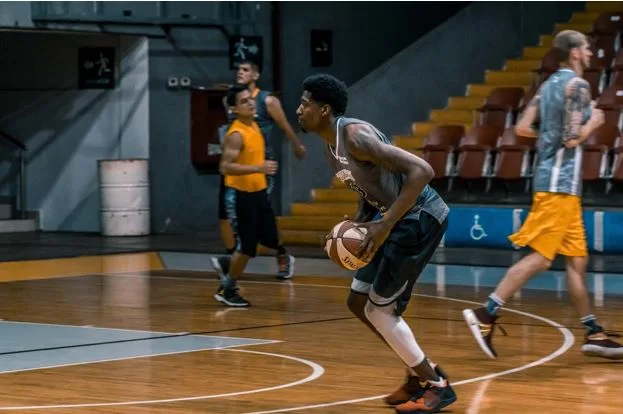
Photo by Jose Ricardo Barraza Morachis
Why Basketball Soreness Shows Up So Often
A single game stacks jumps, sprints, and hard decelerations, and those add up fast. Even a clean landing sends force through ankles, knees, hips, and the lower back. So the next day can feel rough, even when nothing went wrong on the floor.
Travel makes that soreness feel louder, because sleep gets shorter and bodies stay folded. Flights, bus rides, and hotel beds change how hips and shoulders sit through the night. Then practice arrives early, and the body has not fully settled yet.
Minutes and workload also matter, and not just for starters with long stints. Bench players can get sore too, because bursts are sharp and warmups are often rushed. Cold arenas and long pauses can make the first quarter feel stiff for almost anyone.
Some soreness is expected, and some is a signal that needs more respect. You often notice it while walking stairs, tying shoes, or getting up from a chair. Those small moments can show limits before the next hard cut turns it worse.
Pain Versus Injury: Clues Players Actually Notice
A dull ache after heavy minutes can be normal, yet sharp pain changes the math. Swelling, heat, or bruising after contact can also point to tissue stress. And when pain changes stride or landing, the body is already guarding.
Players and trainers often sort pain by how it began and how it behaves. Did it start on one play, or did it build over a few days of load. Does it stay in one spot, or does it spread down the limb with movement.
Another clue is timing, because pain that fades with rest is not the same thing. If discomfort holds steady after twenty four hours, it deserves more attention. And if sleep gets interrupted, the body is usually asking for a reset.
For a careful overview of cannabis and cannabinoids, the NIH NCCIH pages are helpful. They cover possible effects, plus safety notes and interaction cautions for patients.
Self Care That Fits A Basketball Week
A lot of recovery is unglamorous, but it works because it supports basic biology. Sleep is still the top lever, since repair and nervous system reset happen overnight. And food after games helps refill fuel, so the next day does not feel as rough.
Hydration sounds simple, yet it is where headaches and cramps often begin. Long travel days dry people out, and then the first practice back feels heavier. So it makes sense that many teams keep fluids and electrolytes part of routine.
Movement also helps, because blood flow can calm soreness without adding more impact. Light cycling, walking, or pool work often feels better than total rest. And gentle mobility can make hips and ankles feel more normal again.
Strength work matters too, because strong tendons handle stops and landings with less strain. Isometrics and slow eccentrics often show up in knee and ankle programs. And those sessions stay useful even when the schedule gets packed.
Some players like a simple weekly pattern, because it reduces guesswork and stress.
- Ten minutes of ankle and hip mobility often keeps cutting mechanics cleaner.
- Two short strength sessions can support knees, calves, and hamstrings through heavy weeks.
- A quick pain and sleep note can reveal patterns that film never shows.
- A postgame snack with carbs and protein can calm hunger, and support next day energy.
- A short wind down routine, like a shower and low light, can make sleep come easier.
- A light flush session on off days can reduce stiffness, without adding more pounding.
Where Cannabis Might Fit, And Where It Does Not
In Canada, some adults use legal cannabis as one part of winding down after late games. People often mention relaxation or sleep support, but effects vary a lot person to person. Dose, product type, and THC to CBD balance can change the whole experience.
Side effects matter too, because impaired reaction time does not mix with training. Some people feel groggy the next morning, and some feel anxious instead of calm. So it is not a simple swap for recovery basics like sleep, food, and load control.
Rules and travel realities also shape choices, even when something is legal at home. League policies differ, and international trips can add strict border rules around possession. So players usually treat cannabis like any other risk factor that needs clear boundaries.
For general product education, Online Dispensary Canada can guide people to read about formats and ingredients. It can help to know what exists, even if someone never uses any of it. And it is still worth keeping the focus on habits that work every week.
The Takeaway For The Next Game And The Next Week
Soreness comes with basketball, but sharp changes are worth taking seriously. When sleep, food, and steady movement are in place, the body usually handles long weeks with fewer surprises. Strength work keeps joints and tendons calmer, and it also makes tough landings feel less stressful over time.
And if an adult in Canada considers cannabis as part of winding down, it still helps to treat it carefully, because rules, side effects, and personal response can vary a lot. The practical takeaway is that basics first, then thoughtful choices, and then honest check ins when pain stops acting normal.