Paintless Dent Repair in Denver: A Comprehensive Guide to Hail Damage and Auto Restoration
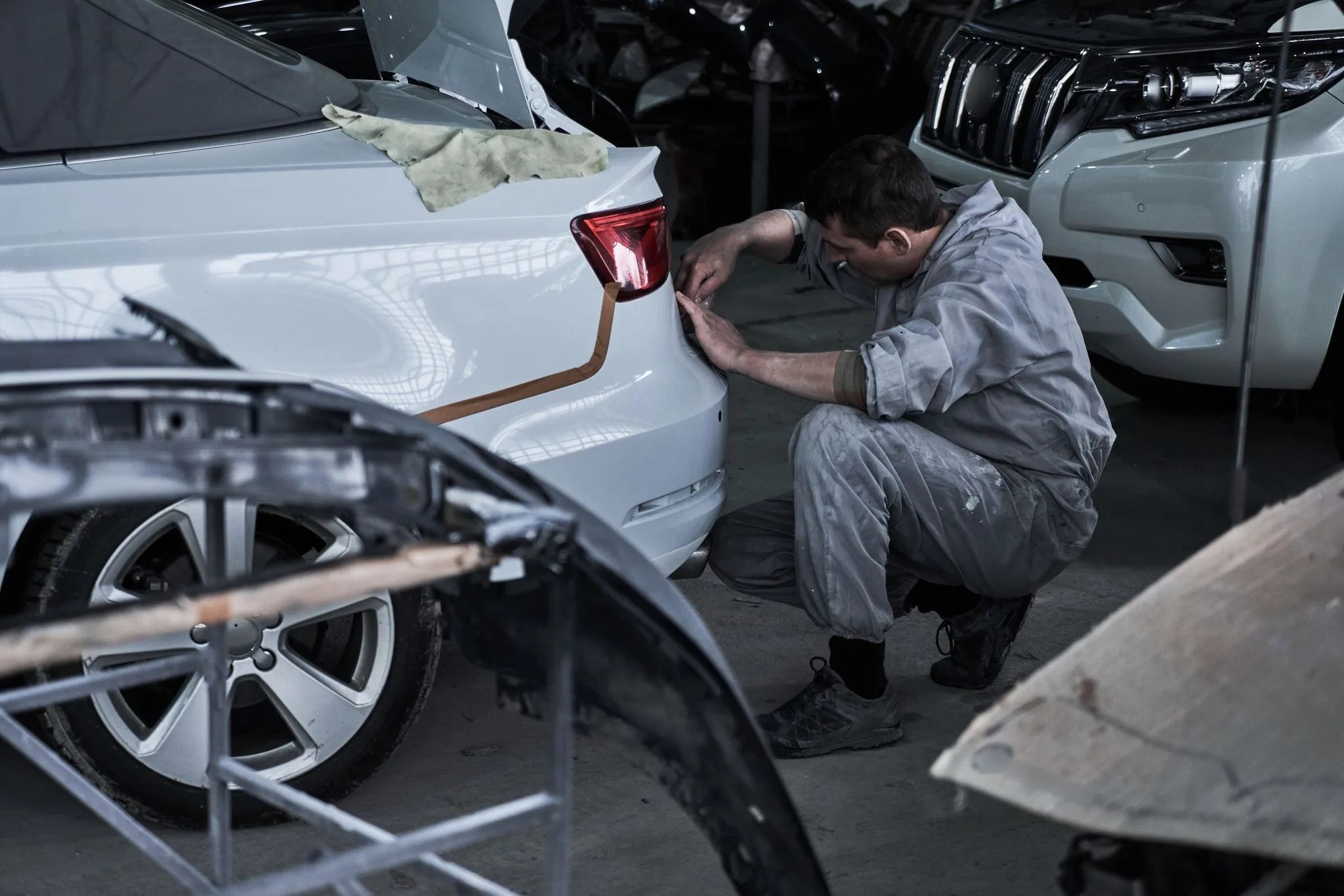
Colorado experiences approximately 94 distinct hail events annually, generating roughly $151 million in statewide property damage and ranking the state second nationally for per-capita hail damage. For Denver vehicle owners, dent repair is not an occasional inconvenience but a recurring reality. Paintless dent repair in Denver has become the preferred response for most of this damage, and for good reason. Here’s what you need to know about how PDR works, when it’s the right choice, how to navigate insurance, and how to find a provider worth trusting.
What Paintless Dent Repair Actually Involves
PDR is a specialized process in which trained technicians use custom tools to access the back side of a damaged panel and carefully massage the deformed metal back into its original contour. No filler, primer, or paint is introduced. The factory finish remains entirely intact throughout the repair.
This distinction matters for two practical reasons. First, factory paint preservation maintains perfect color matching, which would be difficult to guarantee with conventional repainting. Second, preserving the original paint protects the vehicle’s resale value and keeps manufacturer warranty coverage intact. Independent PDR providers are legally protected under the federal Magnuson-Moss Warranty Act, which means having PDR performed at an independent shop does not void a manufacturer’s warranty as long as the factory paint is not compromised.
PDR vs. Traditional Body Shop Repair
Traditional dent repair involves metal straightening, body filler application, progressive sanding, priming, base coat and clear coat painting, and blending into adjacent panels. This process typically takes five to seven days and costs $250 to $500 for a single medium-sized dent.
PDR skips the sanding and painting phases entirely. A single isolated dent generally costs $75 to $250 and is often completed the same day. The process also eliminates the VOC emissions, chemical waste, and energy consumption from paint booths and curing ovens that traditional repair generates, making it a meaningfully cleaner option from an environmental standpoint.
The trade-off is that PDR has real technical limitations. It works where traditional repair doesn’t have to. Understanding those limitations is as important as understanding the advantages.
What PDR Can and Cannot Fix
PDR is appropriate for dents up to roughly the size of a grapefruit, including door dings, standard hail damage, and shallow creases on hoods, doors, and trunks. The non-negotiable prerequisite is that the factory paint must be completely intact. If paint is cracked, chipped, or scratched through to bare metal, PDR cannot be used and the damage requires traditional bodywork.
PDR is also not applicable when metal has been severely stretched, when sharp creases have compromised panel structural integrity, or when the damage is on plastic bumpers or composite carbon fiber materials, all of which require conventional repair or replacement.
Technicians assess viability using specialized dent removal lights that project reflection patterns across the panel surface. The resulting shadows and highlights reveal the exact three-dimensional contour of the damage and allow the technician to map out the precise pressure needed. When the back side of a panel is inaccessible due to double-walled construction or reinforced edges, some technicians use glue-pulling techniques from the exterior to lift the dent without requiring panel removal.
Aluminum panels present a specific challenge worth knowing about. Modern vehicles increasingly use aluminum, which work-hardens when bent and requires specialized handling to avoid cracking. Repairs on aluminum panels are more technically demanding and typically cost more than comparable work on traditional mild steel.
Navigating Insurance After Hail Damage
Hail damage falls under comprehensive auto insurance coverage, classified as an act of nature. This is a no-fault coverage category, meaning filing a hail damage claim generally does not affect your driving record or cause your premiums to increase. Colorado law requires insurance companies to acknowledge claims within 15 days and issue formal coverage decisions within 60 days of receiving the necessary documentation.
One consumer protection worth knowing: you are not required to use the repair facility recommended by your insurance provider. The choice of repair shop is legally yours, and a reputable independent PDR shop is a fully valid option regardless of what your insurer suggests.
Many Denver-area PDR shops offer deductible waiver programs in which the shop absorbs your $500 to $1,000 deductible as a customer acquisition cost. This can reduce your out-of-pocket expense to zero. However, industry observers note that these programs can create incentives for inflated estimates to offset the absorbed deductible. It’s worth getting at least one independent estimate before committing to a deductible waiver arrangement, so you have a baseline for what the repair should actually cost.
What PDR Costs in the Denver Metro Area
For isolated damage, pricing generally follows these tiers: small dings measuring one to two inches run $75 to $125; medium dents from two to four inches range from $125 to $200; and large dents over four inches cost $200 to $250 or more depending on complexity and location on the vehicle.
For comprehensive hail damage, most providers use volume pricing rather than per-dent rates. Light hail damage typically runs $750 to $1,500, moderate damage falls between $1,500 and $3,000, and severe damage can range from $3,000 to $6,000, with extreme cases occasionally exceeding $10,000. Because hail damage is usually covered under comprehensive insurance, out-of-pocket cost for most people is limited to their deductible.
Location on the vehicle affects pricing as well. Dents on complex body lines, curved roof panels, or heavily contoured fenders require more precision, specialized tooling, and additional time, all of which translate to higher costs compared to straightforward flat-panel work.
Mobile vs. Shop-Based Providers
The Denver metro area supports more than 269 documented car dent repair businesses. Providers generally fall into two operational categories.
Mobile PDR specialists travel to your home or workplace, making them practical for minor door dings or light hail damage where the volume of work doesn’t require a dedicated facility. For severe hail damage requiring extensive component removal, precise calibration, or controlled lighting conditions, shop-based facilities are typically better equipped to handle the full scope.
When vetting any provider, look for an established operational history, verifiable customer reviews that reflect transparent communication, and industry credentials such as Vale Certification, which indicates formal training and assessed technical competency. According to the Better Business Bureau, the Denver area has a documented pattern of temporary pop-up repair operations appearing immediately after major hail events and disappearing shortly afterward, leaving customers without recourse when issues arise. Avoiding these operations is one of the most practical steps a consumer can take.
Additional red flags to watch for include high-pressure tactics to authorize repairs before a proper damage assessment is completed, pressure to accept a specific insurance settlement without seeking multiple estimates, and quotes that seem significantly lower or higher than others you’ve received without a clear explanation of why.
Questions to Ask Before Authorizing Repairs
A few direct questions will quickly distinguish a trustworthy PDR provider from one worth avoiding. Ask whether they can show you the damage assessment before any repair authorization is signed. Ask specifically which panels are PDR candidates and which, if any, require traditional bodywork, and why. Ask how they handle aluminum panels if your vehicle has them. Ask whether their quote includes all labor and whether any follow-up adjustments are included. And ask for a written estimate that itemizes the work before you commit to anything.
Reputable technicians will answer these questions directly, explain their reasoning clearly, and provide documentation without hesitation. A provider who deflects, rushes the assessment, or pushes for quick authorization is showing you exactly how the rest of the project will go.
Choosing the Right Provider
PDR is one of the most effective and cost-efficient tools available to Denver vehicle owners dealing with the region’s hail exposure. The technology works well within its technical limits, it preserves your vehicle’s finish and value, and it typically gets you back on the road faster than traditional bodywork. The challenge is that the quality of the provider matters enormously, particularly in the post-storm rush when the market is flooded with operators of varying capability and integrity. Taking time to vet credentials, get multiple estimates, and understand your insurance rights before authorizing any work is the most reliable way to ensure a good outcome.