Paving Slabs Explained: Why Indian Sandstone Is a Top Choice for Outdoor Spaces
Outdoor spaces are more than just areas around our homes or commercial properties; they are extensions of our living spaces. Whether it’s a backyard, a garden path, a patio, or a driveway, the choice of materials plays a significant role in defining both aesthetics and functionality. Among the many options available, paving slabs, Indian sandstone in particular, have become a highly popular choice for homeowners and designers alike. This article explores why these materials stand out, their benefits, and why they are suitable for creating beautiful and durable outdoor areas.
Understanding Paving Slabs and Their Uses
Paving slabs are flat, square, or rectangular pieces of natural or manufactured material designed to cover outdoor surfaces. They provide a smooth, solid base that is ideal for walking, driving, or simply enhancing the visual appeal of an area. Paving slabs can be made from a variety of materials, including concrete, granite, limestone, and sandstone. Among these, Indian sandstone has gained significant attention for its unique blend of beauty and durability.
The versatility of paving slabs allows them to be used in a range of outdoor projects. They can form garden pathways, patio floors, poolside areas, and even driveways. By choosing the right type of slab, you can complement your landscaping while ensuring that the surface remains stable, slip-resistant, and long-lasting.
Why Indian Sandstone Is Preferred for Outdoor Spaces
Indian sandstone is a natural stone quarried in India, known for its warm, earthy tones and striking textures. It offers a variety of shades, ranging from soft creams and golds to deep reds and browns. This variety allows homeowners and designers to create outdoor spaces that feel elegant, inviting, and in harmony with the surrounding environment.
One key reason Indian sandstone is preferred is its durability. Unlike some natural stones that are prone to cracking or weathering, Indian sandstone is dense and strong, making it suitable for high-traffic areas. It can withstand daily wear and tear, heavy rainfall, and temperature fluctuations, ensuring that your outdoor space retains its charm for years.
Another advantage of Indian sandstone is its non-slip surface. The natural texture of the stone provides grip, reducing the risk of slips and falls, especially in areas that are exposed to water, such as pool sides or garden paths. This feature makes it not only a stylish choice but also a practical and safe option for families.
Aesthetic Benefits of Indian Sandstone Paving Slabs
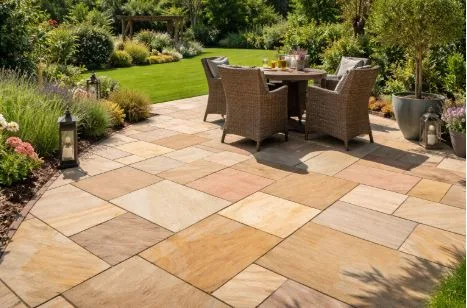
The visual appeal of paving slabs, Indian sandstone in particular, is hard to ignore. Its natural colors and textures add character and warmth to any outdoor space. Unlike manufactured materials, which can sometimes look uniform or artificial, Indian sandstone offers a unique, organic appearance that enhances the overall landscape.
Designers often appreciate the versatility of Indian sandstone in creating various patterns and layouts. You can arrange slabs in a simple grid, a random pattern, or even a more intricate design, depending on your preference. This flexibility allows for personalized outdoor spaces that reflect individual taste and style.
In addition, Indian sandstone can blend seamlessly with other natural elements such as plants, water features, and wooden decking. Its earthy tones provide a neutral yet striking backdrop that complements greenery and colorful flowers, making it ideal for garden landscaping.
Practical Advantages of Using Paving Slabs
Beyond aesthetics, paving slabs offer several practical benefits. They are relatively low-maintenance compared to other surfaces like wood or grass. Regular sweeping and occasional washing are usually sufficient to keep them looking fresh. Unlike concrete, which can develop cracks over time, natural stone paving slabs, especially Indian sandstone, maintain their integrity with minimal upkeep.
Durability is another significant factor. Paving slabs, Indian sandstone included, are resistant to pressure and impact. They can handle heavy foot traffic and even vehicles in the case of driveways without deteriorating. Their long lifespan makes them a cost-effective investment for any outdoor space, saving money on repairs or replacements in the long run.
Furthermore, Indian sandstone is environmentally friendly. It is a natural material that does not release harmful chemicals, and its production process has a lower carbon footprint compared to synthetic options. For those seeking sustainable landscaping solutions, Indian sandstone paving slabs are an excellent choice.
Installation Considerations for Indian Sandstone Paving
Installing paving slabs requires careful planning and preparation. Proper installation ensures that the slabs remain level, stable, and safe to use. The first step involves preparing the ground by removing existing soil, leveling the area, and adding a base layer of gravel or sand. This foundation is crucial for drainage and stability.
Next, the slabs are laid in the chosen pattern. It is important to leave slight gaps between slabs for jointing, which allows for expansion and water drainage. Sand or mortar can be used to fill these joints, securing the slabs in place.
Professional installation is recommended, especially for larger areas, to ensure a neat and long-lasting finish. Incorrect installation can lead to uneven surfaces, water pooling, and premature damage. While DIY installation is possible for small projects, hiring experienced contractors is often worth the investment for quality results.
Maintaining the Beauty and Durability of Indian Sandstone
Maintaining paving slabs is relatively simple but essential for preserving their appearance and longevity. Regular cleaning with water and a soft brush removes dirt and debris. Avoid harsh chemicals or pressure washers that can damage the stone’s surface.
Sealing the sandstone is another recommended step. A suitable sealant protects the stone from stains, water penetration, and color fading. Depending on the type of sealant used, reapplication may be necessary every few years. This process not only enhances durability but also keeps the colors vibrant and fresh.
Addressing minor repairs promptly is equally important. If a slab becomes loose or chipped, replacing or re-leveling it prevents further damage and maintains the safety of the surface. With proper care, Indian sandstone paving slabs can remain beautiful and functional for decades.
Design Ideas Using Indian Sandstone Paving Slabs
The versatility of Indian sandstone allows for a wide range of design possibilities. One popular idea is creating a seamless transition between indoor and outdoor spaces. For example, a patio area with Indian sandstone paving slabs can extend the living room, providing a natural flow between the interior and garden.
Another idea is combining different shades of sandstone to create visual interest and depth. Using lighter and darker slabs in patterns or borders can define specific areas, such as walkways, seating areas, or flower beds.
For a modern look, slabs can be paired with minimalist landscaping, such as gravel or low-maintenance plants. In contrast, traditional gardens benefit from Indian sandstone’s warm tones and natural textures, which complement lush greenery and ornate features like fountains or stone sculptures.
Why Indian Sandstone Is a Smart Investment
Investing in high-quality paving slabs, Indian sandstone in particular, offers both aesthetic and practical benefits. It enhances property value by creating a polished, well-maintained outdoor space that appeals to buyers and visitors alike.
Moreover, its durability and low-maintenance nature make it cost-effective in the long term. While the initial investment may be higher than some alternatives, the longevity and minimal upkeep ensure that the value is retained over time.
Indian sandstone also adapts well to different climates, resisting erosion, frost, and heat without significant damage. This adaptability makes it a reliable choice for outdoor spaces in a variety of regions, ensuring that the surface remains attractive and functional for years to come.
Transforming Outdoor Spaces with Indian Sandstone
Creating an inviting and functional outdoor area is achievable with the right materials. Paving slabs, Indian sandstone in particular, offer a combination of durability, style, and practicality that few other materials can match. Their natural beauty, versatility in design, and long-lasting nature make them ideal for gardens, patios, driveways, and walkways.
By selecting high-quality slabs and following proper installation and maintenance practices, homeowners and designers can transform ordinary outdoor spaces into elegant, welcoming environments. The timeless appeal of Indian sandstone ensures that these spaces remain attractive, comfortable, and safe, reflecting both personal taste and thoughtful landscaping choices.