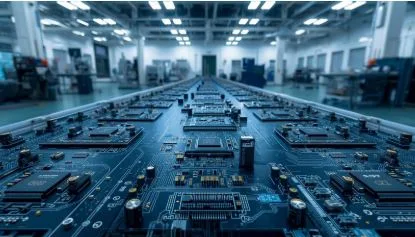
PCB Manufacturing: Expert Guide on High-Quality PCB Production Services
Introduction: The Importance of PCB Manufacturing in Modern Electronics
PCB manufacturing is a critical process in the electronics industry, enabling the development of everything from smartphones to medical devices. As demand for higher-performance and more compact electronic devices grows, PCB manufacturers must meet increasingly complex design specifications. FastTurn PCBs is a renowned name in PCB manufacturing, offering exceptional quality and precision. In this article, we will dive deep into the world of PCB manufacturing, exploring its definition, benefits, the manufacturing process, common mistakes to avoid, and how to select the right manufacturer for your project.
What is PCB Manufacturing?
PCB (Printed Circuit Board) manufacturing refers to the process of creating a board that connects and supports various electronic components. The manufacturing process involves multiple stages, including designing the layout, etching the conductive pathways, and assembling the components. PCBs are the backbone of virtually all electronic devices, serving as the electrical foundation for connections between components such as chips, resistors, and capacitors.
Key Steps in PCB Manufacturing
The PCB manufacturing process typically includes the following stages:
- Design: The first step is designing the PCB layout using CAD software. This includes placing the components and routing the connections between them.
- Printing the Design: The design is transferred to the PCB material using advanced printing techniques.
- Etching: The copper layer on the board is etched away, leaving only the conductive paths.
- Drilling: Holes are drilled for component leads or vias.
- Soldering: Components are attached to the PCB using a soldering process.
- Testing: The final PCB undergoes rigorous testing to ensure functionality and performance.
These steps are repeated with increasing precision for complex and multi-layered PCBs, ensuring they meet the needs of modern electronics.
Benefits of High-Quality PCB Manufacturing
The quality of PCB manufacturing directly impacts the performance, reliability, and cost-effectiveness of electronic devices. Here are some of the key benefits of choosing high-quality PCB manufacturing:
1. Enhanced Performance
High-quality PCBs ensure that electrical signals flow efficiently and without interference. This leads to better performance, particularly in high-speed applications like telecommunications, computing, and automotive systems.
2. Reliability and Durability
Good PCB manufacturing results in boards that can withstand environmental stress, heat, and physical wear, making them reliable over long periods. This is especially important for critical devices like medical equipment and aerospace systems.
3. Cost-Effectiveness
Although it might seem tempting to opt for cheaper PCB options, investing in high-quality PCBs can reduce long-term costs. By minimizing failures and reducing the need for repairs or replacements, companies save money in the long run.
4. Faster Time-to-Market
Efficient PCB manufacturing speeds up the production process, helping companies bring products to market faster. This is particularly important in industries where time-to-market is a competitive advantage.
How to Choose the Right PCB Manufacturer
Selecting the right PCB manufacturer is crucial for ensuring the success of your project. Here are some key considerations to keep in mind:
1. Experience and Expertise
A manufacturer with extensive experience in PCB production will have the necessary skills and knowledge to handle complex designs and manufacturing processes. Look for companies with a proven track record in your industry or with similar projects.
2. Quality Certifications
Ensure that the manufacturer holds certifications such as ISO 9001, IPC-A-600, or UL certification. These certifications ensure that the manufacturer adheres to high standards in their manufacturing processes.
3. Capabilities
Check the manufacturer’s capabilities to ensure they can handle the type of PCB you need. This includes the ability to produce single-sided, double-sided, or multi-layer boards, and their experience with various materials and technologies.
4. Prototyping Services
A good PCB manufacturer should offer prototyping services, allowing you to test your design before full-scale production. This minimizes the risk of design flaws and saves time and money.
5. Pricing
While price should not be the only factor in your decision, it is important to find a manufacturer that offers competitive pricing for the quality and services provided.
Common Mistakes in PCB Manufacturing to Avoid
The PCB manufacturing process is highly technical and requires careful planning to avoid costly mistakes. Here are some common errors to be aware of:
1. Poor Design
A poorly designed PCB can lead to a variety of issues, from electrical problems to manufacturing defects. Always invest time in creating an efficient design that meets all functional requirements.
2. Choosing Low-Quality Materials
Using low-quality materials for your PCB can result in unreliable performance. Choose a manufacturer that uses top-tier materials, such as high-grade copper and quality substrates.
3. Ignoring Environmental Factors
When designing a PCB, it’s crucial to consider environmental factors like temperature, humidity, and exposure to chemicals. Neglecting these can lead to early failure of the PCB in real-world applications.
4. Skipping Testing
Testing is a vital step in the PCB manufacturing process. Skipping this stage can lead to costly failures once the PCB is deployed in the field.
5. Overlooking Compliance and Certifications
Failure to ensure compliance with industry standards and certifications can result in faulty products and potential legal issues.
Tips for a Successful PCB Manufacturing Project
Here are some practical tips for ensuring that your PCB manufacturing project goes smoothly:
1. Plan Ahead
Start with a clear plan, including detailed designs and specifications. This will help avoid costly mistakes and ensure the manufacturing process is efficient.
2. Collaborate with the Manufacturer
Establish open lines of communication with your PCB manufacturer. Regular communication can help address potential issues before they become significant problems.
3. Prototype First
Don’t jump straight into large-scale production. Begin with a prototype to test the design and functionality before committing to a full batch.
4. Focus on Quality
Prioritize quality over cost when selecting materials and manufacturers. High-quality components and materials will lead to better performance and longevity.
5. Consider the End-Use
Tailor your PCB design and materials to the specific needs of your device. For example, medical or aerospace devices may require higher reliability than consumer electronics.
FAQ: PCB Manufacturing
What is the difference between single-layer and multi-layer PCBs?
Single-layer PCBs have one layer of conductive material, whereas multi-layer PCBs consist of multiple layers. Multi-layer PCBs allow for more complex and compact designs, supporting a larger number of components and making them suitable for high-performance devices.
What is the standard PCB material used in manufacturing?
The most commonly used PCB material is FR4, a type of fiberglass-reinforced epoxy laminate. It offers good mechanical strength and is cost-effective, making it ideal for a wide range of applications. Other materials, such as polyimide or PTFE, are used for high-frequency or flexible PCBs.
How long does the PCB manufacturing process take?
The timeline for PCB manufacturing can vary depending on the complexity of the design and the manufacturer’s capabilities. Prototypes can take a few days, while large-scale production might take 2-4 weeks.
Why is PCB testing important?
Testing ensures that the PCB functions as intended, identifying any issues with electrical connections, component placement, or design flaws before the product reaches the market. It helps prevent costly failures in the field.
Conclusion: Making the Right Choice in PfCB Manufacturing
PCB manufacturing is a vital part of producing electronic devices, from smartphones to industrial machinery. By understanding the process, benefits, and how to select the right manufacturer, you can ensure your product’s success. Remember to focus on quality, choose an experienced manufacturer, and plan your project carefully to avoid common mistakes. With these steps in mind, you’ll be well on your way to creating reliable, high-performance PCBs.