Pelvic Floor Therapy for Women’s Health: Benefits & Treatment
The muscles you cannot see are often the ones working hardest to keep your body functioning. Tucked beneath your pelvis sits a group of 26 muscles forming a hammock-like structure that supports your bladder, uterus, and bowel. When these muscles become too weak, too tight, or damaged, everyday activities like laughing, exercising, or even sitting can become uncomfortable or painful.
Pelvic floor dysfunction affects more women than you might think. Research shows that approximately one in four women in the United States experiences at least one pelvic floor disorder, with rates climbing higher among women who have given birth or reached menopause. Yet despite how common these conditions are, many women suffer in silence, assuming their symptoms are a normal part of aging or motherhood that they simply have to accept.
The reality is different. Pelvic floor physical therapy offers an evidence-based, non-invasive solution for women experiencing urinary incontinence, pelvic pain, bowel dysfunction, or sexual difficulties. This specialized form of treatment has transformed how healthcare providers address women’s pelvic health concerns, providing relief where women were once told nothing could be done.
Understanding the Pelvic Floor
Your pelvic floor functions like the foundation of a house. These muscles attach from your pubic bone in front to your tailbone in back, supporting vital organs while contributing to core stability, bladder and bowel control, and sexual function. When this foundation weakens or becomes imbalanced, the entire structure suffers.
Pelvic floor muscles can develop problems in two distinct ways. Some women experience weakness, where muscles have lost their ability to contract effectively and support organs properly. Others deal with muscles that have become too tight or overactive, creating tension and pain. Both conditions require professional assessment because the wrong approach to treatment can actually worsen symptoms rather than improve them.
Many women attempt exercises they have read about online, only to find their symptoms persist or intensify. This happens because pelvic floor dysfunction is not a one-size-fits-all condition. What helps one woman may harm another, which is why working with a trained pelvic floor physical therapist makes such a significant difference in treatment outcomes.
Common Conditions Treated with Pelvic Floor Therapy
Urinary incontinence ranks among the most frequent reasons women seek pelvic floor treatment. Whether experiencing leakage during exercise, coughing, or on the way to the bathroom, these symptoms significantly impact quality of life. Studies indicate that more than half of women report some form of urinary incontinence, yet only a fraction seek professional help.
Pregnancy and childbirth place enormous demands on pelvic floor muscles. During pregnancy, these muscles support increasing weight while hormonal changes affect tissue elasticity. Birth itself, whether vaginal or cesarean, impacts the pelvic floor in ways that benefit from specialized rehabilitation. Women dealing with diastasis recti (abdominal separation), perineal tearing, or c-section scars find that targeted therapy accelerates healing and prevents long-term complications.
Pelvic pain presents in many forms. Some women experience sharp, stabbing sensations, while others describe a deep ache or pressure. Conditions like endometriosis, interstitial cystitis, or painful intercourse often have a pelvic floor muscle component that physical therapy can address. The muscles may be guarding or in spasm, creating a cycle of pain that persists even after the initial injury or condition has healed.
Bowel dysfunction, including constipation or fecal incontinence, frequently involves pelvic floor coordination problems. The muscles must relax at the right time to allow for complete evacuation, but when timing or strength is off, chronic issues develop. Physical therapy retrains these muscles to function properly, often eliminating the need for medications or more invasive interventions.
Pelvic organ prolapse occurs when weakened muscles allow organs to descend or bulge. While this condition affects many women, particularly after multiple births or as they age, physical therapy can strengthen supporting structures and reduce symptoms. Many women find that targeted exercises prevent progression and help them avoid or delay surgical options.
How Pelvic Floor Physical Therapy Works
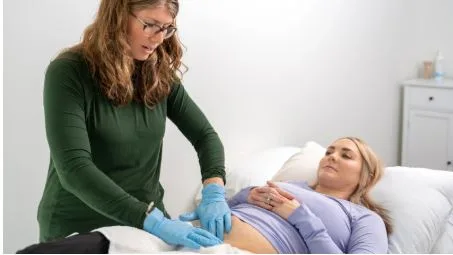
The treatment process begins with a comprehensive evaluation lasting about an hour. Your therapist will review your medical history, discuss your symptoms and goals, and perform a physical assessment that may include examining your posture, spine, hips, and pelvic floor muscles. This thorough approach recognizes that pelvic floor problems rarely exist in isolation from the rest of your body.
Internal examination allows therapists to assess muscle strength, tone, and coordination directly. While this aspect may feel uncomfortable to discuss, it provides essential information that external assessment cannot reveal. Many women discover through this evaluation that they have been performing exercises incorrectly for years, explaining why their symptoms never improved.
Treatment sessions typically occur weekly for four to six weeks, though some conditions require longer care. During each visit, your therapist guides you through exercises and techniques tailored to your specific needs. These might include strengthening exercises for weak muscles, relaxation techniques for tight muscles, or coordination training to improve timing.
Manual therapy techniques involve hands-on treatment to release muscle tension, improve tissue mobility, and reduce pain. Therapists may work externally on your hips, abdomen, and lower back, or internally to address trigger points and tight muscles within the pelvic floor itself. These techniques often provide immediate relief and accelerate the healing process.
Biofeedback technology helps women learn to control muscles they cannot see. Special sensors show your muscle activity on a screen, allowing you to visualize whether you are contracting or relaxing correctly. This immediate feedback dramatically improves learning and helps you perform exercises more effectively at home.
Education forms a critical component of every session. Your therapist will discuss how your daily habits affect your pelvic floor, from posture at your desk to bathroom habits to exercise form. Small adjustments to how you sit, stand, lift, or breathe can significantly impact symptoms and long-term healing.
The Winston-Salem Approach to Pelvic Health
Some clinics have redefined what pelvic floor therapy looks like by creating environments specifically designed for women’s needs. Taylor Physical Therapy and Wellness in Winston-Salem exemplifies this patient-centered model, where every detail supports healing and comfort. Private treatment rooms with spa-like atmospherics replace the busy, gym-style settings of traditional physical therapy clinics.
The difference extends beyond aesthetics. Hour-long, one-on-one sessions allow therapists to address not just your pelvic floor, but your whole body. Many pelvic health issues originate from problems elsewhere in the musculoskeletal system. Poor posture, breathing patterns, or movement habits can all contribute to pelvic floor dysfunction, so comprehensive assessment and treatment yield better outcomes than focusing narrowly on one area.
This holistic perspective recognizes that stress, sleep, nutrition, and emotional well-being all influence physical healing. Clinics offering complementary services like dry needling, massage therapy, nutrition counseling, and mental health support provide women with truly integrated care. When all these elements work together, healing accelerates and becomes more sustainable.
The personalized nature of specialized pelvic floor therapy means your treatment evolves as you progress. Your therapist adjusts exercises, introduces new techniques, and modifies your plan based on how your body responds. This individualized approach stands in stark contrast to generic exercise handouts or one-size-fits-all programs.
Beyond Kegels: A Comprehensive Treatment Approach
The recommendation to “just do Kegels” has become ubiquitous advice for pelvic floor problems. While pelvic floor muscle contractions serve an important role in treatment for some women, they represent only one tool in a much larger therapeutic toolbox. For women whose muscles are already too tight, Kegel exercises can actually worsen pain and dysfunction.
Effective pelvic floor therapy addresses breath mechanics, core integration, postural alignment, and movement patterns throughout your entire body. Your therapist might work on your diaphragm breathing, hip mobility, or abdominal muscle coordination because these systems directly affect how your pelvic floor functions.
Stretching and relaxation techniques often prove just as important as strengthening. Women with chronic pelvic pain typically need to learn how to release and lengthen tight muscles before any strengthening work begins. Progressive relaxation, visualization, and manual release techniques help muscles let go of tension they have held for months or years.
Functional training prepares you for real-life activities. Your therapist helps you return to running, lifting weights, playing with your children, or enjoying intimacy by gradually building your capacity and teaching you how to protect your pelvic floor during these activities. This practical approach ensures that improvements in the clinic translate to better function in your daily life.
Evidence Supporting Pelvic Floor Physical Therapy
Clinical research consistently demonstrates the effectiveness of pelvic floor physical therapy across multiple conditions. Studies show significant improvement or complete resolution of symptoms for women with urinary incontinence, with many avoiding surgical interventions entirely through conservative treatment.
For pregnant and postpartum women, physical therapy has proven benefits for preventing and treating complications. Women who engage in prenatal pelvic floor training experience lower rates of incontinence both during pregnancy and after delivery. Postpartum therapy addresses the specific challenges of healing after birth, whether supporting recovery from tearing, reducing scar tissue restrictions, or rebuilding core strength safely.
Research on pelvic pain conditions reveals that physical therapy can substantially reduce pain and improve quality of life for women with conditions like vulvodynia, dyspareunia, and chronic pelvic pain syndrome. The combination of manual therapy, exercise, and education addresses both the physical and neurological components of chronic pain.
Women with pelvic organ prolapse benefit from strengthening programs that reduce symptom severity and may slow or prevent progression. While physical therapy cannot reverse anatomical changes, it can significantly improve how women feel and function, often eliminating the need for pessaries or surgical correction.
When to Seek Pelvic Floor Physical Therapy
You do not need to wait until symptoms become severe before seeking help. Early intervention often leads to faster resolution and prevents minor issues from becoming chronic problems. Consider consulting a pelvic floor physical therapist if you experience any leakage of urine or stool, even if infrequent or small amounts.
Pain during intercourse deserves professional attention, not acceptance. Many women endure painful intimacy for years, assuming nothing can help, when in reality, physical therapy offers effective solutions for most causes of sexual pain. The same applies to chronic pelvic, hip, or lower back pain that has not responded to other treatments.
Pregnancy offers an ideal time for preventive care. Even if you have not yet experienced symptoms, working with a pelvic floor therapist can prepare your body for the demands of pregnancy and birth, potentially preventing problems before they start. Prenatal therapy teaches you how to connect with your pelvic floor, optimize your positioning for birth, and protect your body as it changes.
After giving birth, every woman can benefit from a postpartum pelvic floor assessment, regardless of delivery method or whether symptoms are present. This checkup identifies issues early and provides guidance for safely returning to exercise and daily activities. Many problems that develop later could have been prevented with appropriate early intervention.
Women approaching or experiencing menopause should consider pelvic floor therapy as hormonal changes affect tissue health and muscle function. Proactive care during this transition can prevent or minimize common issues like incontinence or prolapse that might otherwise develop.
Breaking the Silence Around Pelvic Health
The stigma surrounding pelvic floor problems prevents many women from seeking the care they need. Feeling embarrassed about discussing bladder leakage, bowel function, or sexual pain keeps women suffering unnecessarily. Yet healthcare providers increasingly recognize these concerns as medical conditions deserving of proper treatment, not taboo topics to avoid.
When women do speak up, they often discover how common their experiences are. Conversations with friends, family members, or support groups reveal that many others share similar struggles. This realization can provide comfort and motivation to pursue treatment rather than continuing to cope alone.
Healthcare systems are beginning to prioritize pelvic health screening and education. Primary care providers now regularly ask about pelvic floor symptoms during routine visits, recognizing that patients may not volunteer this information without prompting. This shift in clinical practice helps normalize conversations about pelvic health and connects more women with appropriate care.
The Path Forward
Pelvic floor dysfunction affects millions of women, limiting their activities, straining their relationships, and diminishing their quality of life. Yet effective treatment exists. Specialized physical therapy offers a proven, conservative approach that addresses the root causes of symptoms rather than simply managing them.
Finding a qualified pelvic floor physical therapist represents the first step toward reclaiming your health and confidence. Look for providers with advanced training in women’s health or pelvic rehabilitation, who offer private, one-on-one treatment sessions. The right therapeutic relationship makes a significant difference in your comfort level and treatment outcomes.
Your pelvic floor supports you through every stage of life. It deserves the same attention and care you would give any other part of your body. Whether you are preparing for pregnancy, recovering from childbirth, managing chronic pain, or navigating menopause, pelvic floor therapy can help you feel stronger, more comfortable, and in control of your body again.
The journey to pelvic health begins with acknowledging that your symptoms matter and that help is available. You do not have to accept leakage, pain, or discomfort as inevitable parts of being a woman. With proper treatment, most women experience significant improvement, often exceeding what they thought possible. The question is not whether treatment can help, but when you will take that first step toward feeling better.