People Want Jewelry That Feels Personal – Not Just Expensive
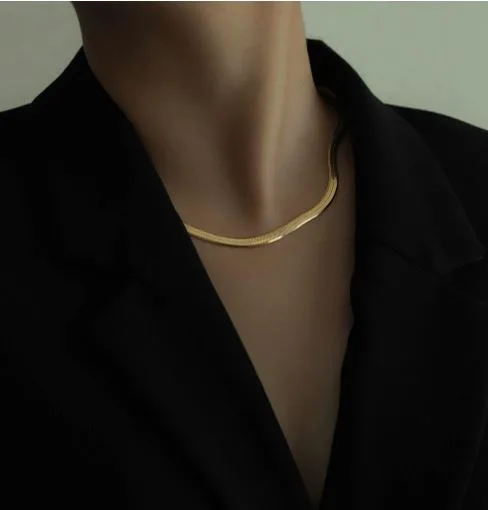
Luxury jewelry is changing in a noticeable way. While quality and craftsmanship still matter, many consumers are no longer drawn only to pieces that look expensive or heavily status-driven. Instead, people increasingly want jewelry that feels emotionally meaningful, unique to their personality, and connected to important moments in their lives. The shift is less about displaying wealth publicly and more about wearing pieces that carry personal identity and emotional value.
This trend reflects broader changes happening across fashion and luxury culture overall. Consumers are becoming more selective about purchases and increasingly prefer items that feel timeless, emotionally connected, and individually expressive rather than purely trend-focused or mass produced. Jewelry has therefore become less about uniform luxury and more about storytelling, symbolism, and long-term attachment.
Personal Meaning Matters More Than Traditional Status
One of the biggest reasons jewelry preferences are shifting is because consumers increasingly value emotional meaning over obvious displays of luxury. Many buyers now want pieces connected to milestones, relationships, memories, or personal style instead of jewelry designed mainly around visibility and price alone.
This has increased demand for custom pieces, unconventional designs, and handcrafted details that feel more individual. Consumers often prefer jewelry that reflects personality and emotional connection naturally rather than following standardized luxury expectations.
The emotional experience attached to a piece increasingly influences how valuable it feels over time.
Consumers Are Becoming More Educated About Jewelry Value
Another reason personal jewelry is becoming more important is because buyers are paying closer attention to quality, craftsmanship, and long-term value instead of relying only on branding. Many consumers now research materials and pricing more carefully before purchasing higher-end jewelry.
Resources discussing topics such as the current worth of a 24k gold chain show growing consumer interest in understanding how jewelry value is connected to gold purity, craftsmanship, and long-term worth instead of appearance alone.
This increased awareness has made people more intentional about investing in jewelry pieces they genuinely connect with personally.
Unique Designs Feel More Authentic
Another noticeable shift is the growing popularity of nontraditional jewelry aesthetics. Many buyers now prefer designs that feel artistic, understated, or distinctive instead of highly standardized luxury styles repeated across large retailers.
This trend is especially visible in engagement jewelry where consumers increasingly prioritize individuality and emotional symbolism over conventional expectations. Custom stones, unconventional cuts, organic textures, and handcrafted settings have become more desirable because they help jewelry feel more personal and emotionally memorable.
For example, unique engagement rings can express individuality, storytelling, and emotional connection rather than purely traditional luxury presentation.
Jewelry Is Becoming Part of Personal Identity
Photo by Evelyn Verdín on Unsplash
Modern consumers also view jewelry differently than previous generations. Instead of reserving meaningful pieces only for special occasions, many people now wear jewelry daily as part of how they express personality and identity.
This has increased demand for versatile pieces that feel emotionally connected while remaining wearable in everyday life. Jewelry increasingly functions as a personal extension of style and memory rather than only formal decoration or status signaling.
As fashion itself becomes more individualized, jewelry is following the same direction.
Craftsmanship and Storytelling Are Gaining Value
Another reason personal jewelry feels more appealing is because consumers are becoming more interested in craftsmanship and the story behind the piece itself. Handmade details, sourcing transparency, and distinctive design elements often make jewelry feel more emotionally significant than standardized luxury products.
People increasingly appreciate jewelry carrying visible individuality because it creates stronger long-term attachment. A ring or necklace often feels more meaningful when it reflects intentional design choices rather than simply recognizable branding.
This emotional storytelling aspect has become one of the defining trends shaping modern luxury jewelry markets.
Timeless Pieces Feel More Meaningful
Fast-moving fashion trends have also influenced how consumers approach jewelry. Many people now prefer investing in fewer pieces that remain emotionally and stylistically relevant for years instead of constantly chasing trend-driven accessories.
Timeless designs with personal meaning often feel more valuable because they continue fitting different stages of life naturally. Jewelry therefore becomes associated with memory, identity, and continuity instead of temporary fashion cycles.
This long-term emotional connection is one reason handcrafted and personalized jewelry continues gaining attention across younger consumer groups especially.
Modern Luxury Is Becoming More Personal
Perhaps the biggest change happening in jewelry culture is that luxury itself is becoming more emotionally driven. Consumers still value quality and premium materials, but they increasingly want jewelry that feels connected to their personality and experiences rather than designed purely for visibility or price recognition.
The strongest jewelry pieces today are often the ones carrying emotional meaning alongside craftsmanship and beauty. Personal identity, storytelling, and uniqueness now shape purchasing decisions much more strongly than they once did.
People still appreciate luxury, but many now define luxury differently. More often, it means owning something that feels deeply personal, timeless, and emotionally meaningful, not simply expensive.