Performance Factors of Hydraulic Hose Fitting Malaysia
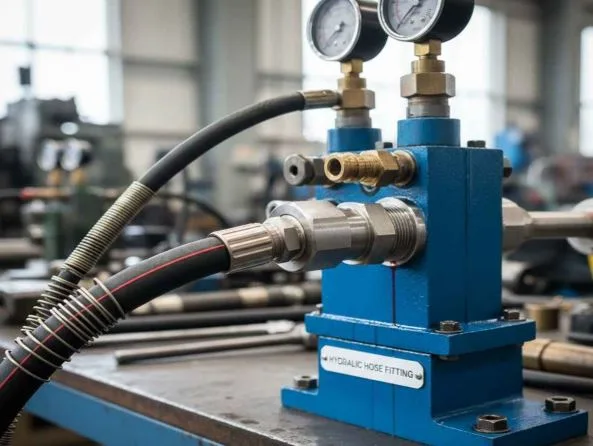
Hydraulic systems are widely used across Malaysia in industries such as construction, manufacturing, agriculture, oil and gas, and marine engineering. These systems depend on hydraulic hose fittings to connect hoses with pumps, valves, cylinders, and other essential components. The reliability of these fittings directly influences system efficiency, operational safety, and overall productivity during daily industrial activities.
In demanding industrial environments, Hydraulic Hose Fitting Malaysia must perform consistently under high pressure, continuous motion, and challenging weather conditions. High humidity, elevated temperatures, and exposure to corrosive elements increase performance expectations. Understanding key performance factors allows industries to reduce downtime, control maintenance costs, and achieve long term hydraulic system reliability.
Understanding the Performance Factors
Hydraulic hose fittings operate under constant mechanical and environmental stress throughout their service life. These stresses include internal pressure loads, vibration from machinery, temperature variations, and exposure to hydraulic fluids. Each of these conditions can significantly affect durability and operational efficiency.
Evaluating performance factors is essential when selecting Hydraulic Hose Fitting Malaysia for industrial use. Proper evaluation helps ensure leak prevention, pressure stability, and extended service life. This understanding supports safer operations and consistent performance across a wide range of hydraulic applications.
1. Material Quality
Material quality is one of the most important factors affecting hydraulic hose fitting performance. Common materials include carbon steel, stainless steel, and brass, each chosen for specific strength and durability characteristics. Stainless steel is often preferred in environments requiring higher resistance to corrosion and wear.
Low quality materials may deform, crack, or weaken under repeated pressure cycles. High grade materials provide improved resistance to fatigue and mechanical stress. This ensures fittings maintain structural integrity even during prolonged and demanding hydraulic operations.
2. Manufacturing Precision
Manufacturing precision determines how accurately a hydraulic hose fitting meets its design specifications. Precise machining ensures smooth sealing surfaces, correct thread dimensions, and proper alignment. These characteristics are essential for achieving reliable and leak free connections.
Poor manufacturing precision can result in surface defects and dimensional inconsistencies. Such issues increase the risk of leakage and premature failure. Precision manufactured fittings contribute to improved safety, efficiency, and longer system service life.
3. Pressure Rating
Pressure rating defines the maximum pressure level a hydraulic hose fitting can safely withstand during operation. Industrial hydraulic systems often function under extreme pressure conditions. Selecting fittings with appropriate pressure ratings is essential for maintaining system integrity.
Using fittings with insufficient pressure capacity may cause leaks or sudden component failure. Choosing fittings with adequate safety margins improves reliability. This ensures stable performance even under continuous or fluctuating pressure loads.
4. Corrosion Protection
Corrosion protection is critical due to Malaysia’s tropical climate and high humidity levels. Hydraulic hose fittings are often exposed to moisture, chemicals, and outdoor conditions that accelerate corrosion. Without protection, material degradation can occur rapidly.
Protective coatings such as zinc plating help extend the service life of Hydraulic Hose Fitting Malaysia. Effective corrosion resistance reduces rust formation and maintenance frequency. This ensures consistent performance in both indoor and outdoor hydraulic environments.
5. Seal Integrity
Seal integrity determines a fitting’s ability to prevent hydraulic fluid leakage under pressure. Effective sealing depends on surface finish quality, sealing material strength, and proper fitting design. Maintaining a tight seal is essential for efficient system operation.
Seal failure can lead to fluid loss, pressure drops, and safety risks. High quality fittings are engineered to maintain seal integrity during pressure fluctuations. This supports reliable hydraulic system performance over extended operating periods.
6. Thread Compatibility
Thread compatibility ensures secure connections between hydraulic hose fittings and system components. Common thread types include BSP, NPT, JIC, and metric standards. Each thread type has specific dimensional and sealing requirements.
Incorrect thread matching may cause cross threading or incomplete sealing. Proper compatibility improves mechanical strength and reduces installation errors. This enhances long term system stability and operational safety.
7. Vibration Resistance
Vibration resistance is essential for hydraulic systems used in mobile and heavy equipment. Continuous vibration can loosen fittings or cause material fatigue over time. Industries such as construction and agriculture frequently encounter this challenge.
Vibration resistant fittings are designed to maintain secure connections under constant movement. Strong materials and precise construction prevent loosening. This reduces unexpected downtime and improves overall system reliability.
8. Installation Accuracy
Installation accuracy has a direct impact on fitting performance and lifespan. Proper alignment, correct torque application, and clean assembly practices are critical. Even high quality fittings may fail if installed incorrectly.
Accurate installation of Hydraulic Hose Fitting Malaysia prevents leaks and mechanical damage. Trained technicians and adherence to manufacturer guidelines improve performance. Proper installation ensures long term hydraulic system efficiency and safety.
9. Fluid Compatibility
Fluid compatibility refers to how fitting materials and seals react with hydraulic fluids. Systems may use mineral oils, synthetic fluids, or water based solutions. Each fluid type has different chemical characteristics.
Incompatible materials can cause seal swelling or corrosion. Selecting fittings designed for specific fluids prevents material degradation. This ensures stable performance and extends overall system service life.
10. Standards Compliance
Standards compliance ensures hydraulic hose fittings meet recognized safety and performance benchmarks used across industrial sectors. International standards such as ISO, SAE, and DIN define requirements for pressure capacity, dimensional accuracy, and material strength. Compliance improves consistency, reliability, and interchangeability in hydraulic systems. This is essential for regulated and safety focused applications.
In many industrial installations, fittings are used alongside Stainless Steel Tubing Malaysia to meet system wide compliance requirements. Adhering to standards simplifies maintenance and replacement procedures. It also provides assurance of quality, safety, and long term performance. Standards compliance remains a key factor in professional hydraulic system design.
Value of Choosing Inland Industrial
Inland Industrial Instruments (M) Sdn Bhd is recognized in Malaysia for supplying reliable hydraulic components backed by technical expertise. The company focuses on providing high quality hydraulic hose fittings that meet industrial performance demands. Its product selection emphasizes durability, precision manufacturing, and compliance with recognized standards. This commitment helps customers achieve consistent hydraulic system performance.
Beyond product quality, Inland Industrial Instruments (M) Sdn Bhd delivers value through professional support and industry knowledge. The company assists clients in selecting fittings suitable for pressure, fluid type, and environmental conditions. Reliable supply, technical guidance, and after sales support reduce operational risks. This makes Inland Industrial a trusted partner for long term hydraulic solutions.
Conclusion
The performance of hydraulic hose fittings depends on multiple interconnected factors such as material quality, manufacturing precision, pressure rating, corrosion resistance, and proper installation. Each factor contributes to system safety, durability, and operational efficiency. Ignoring any of these aspects can result in costly failures.
By understanding these performance factors, industries using Hydraulic Hose Fitting Malaysia can make informed selection decisions. This approach reduces downtime, enhances safety, and improves long term productivity. A performance focused strategy supports reliable hydraulic operations across Malaysia’s industrial sectors.