PersonalHour vs Balanced Body Reformers (2026): Which One Is Right for You?
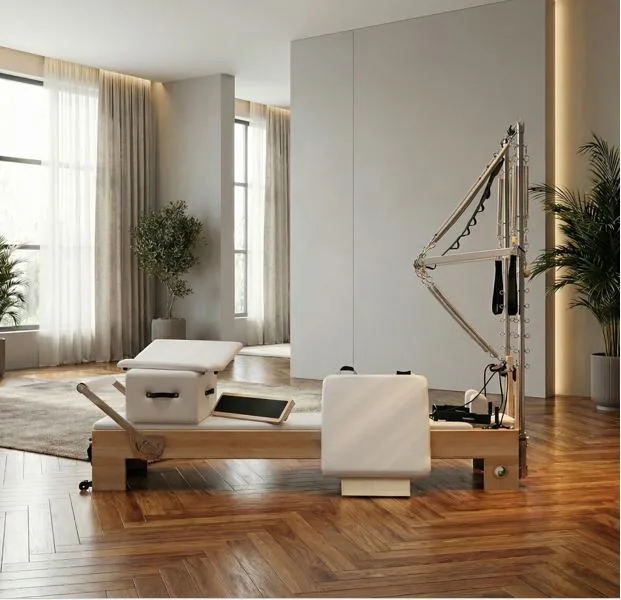
When choosing a Pilates reformer, two names often come up: Balanced Body and PersonalHour.
Balanced Body has long been considered the gold standard in studios, while PersonalHour is quickly gaining attention for bringing studio-quality Pilates into the home at a more accessible price.
So which one is actually right for you?
Let’s break it down honestly.
When people start looking for a Pilates reformer, two names come up again and again: Balanced Body and PersonalHour.
Balanced Body has been the industry standard for decades, especially in professional studios. PersonalHour, on the other hand, represents a newer wave—focused on making Pilates more accessible, more flexible, and better suited for modern home use.
So the real question is not just which brand is “better,” but which one fits your lifestyle, space, and goals today.
A Shift From Studio to Home
For years, Pilates equipment was designed primarily for studios. Machines were large, heavy, and built to stay in one place. That’s where Balanced Body built its reputation—creating durable, high-performance reformers that could handle constant daily use.
But the market has changed. More people now want studio-quality Pilates at home.
This is exactly where PersonalHour has gained momentum. Their reformers are designed with home use in mind first, without sacrificing the feel of a studio machine. Features like foldability, easier movement, and compact storage make a real difference for everyday users.
If you live in a home where space matters—even slightly—this becomes a deciding factor very quickly.
Space, Flexibility, and Everyday Use
Balanced Body reformers are excellent machines, but they are not designed to be moved or stored regularly. Once placed, they typically stay there.
PersonalHour approaches the problem differently. Many of their models are foldable, allowing users to store the reformer when not in use. This makes Pilates far more practical for people who don’t have a dedicated workout room.
That flexibility alone is often what turns interest into a purchase.
Price vs Real Value
One of the biggest differences between the two brands is pricing—and more importantly, what you get for that price.
Balanced Body sits firmly in the premium category. Their pricing reflects their long-standing reputation and studio dominance. In many cases, accessories like jump boards or boxes are added separately.
PersonalHour focuses on delivering more complete value upfront. Their reformers are typically more affordable, and many include essential accessories as part of the package. For many buyers, this changes the equation from “premium purchase” to “practical investment.”
This doesn’t mean Balanced Body isn’t high quality—it absolutely is. But it does raise a question that more buyers are now asking:
Do you need to pay significantly more for similar functionality?
Innovation vs Tradition
Perhaps the biggest difference between these brands is not physical—it’s philosophical.
Balanced Body has stayed consistent with what has worked for decades: building excellent equipment for professionals.
PersonalHour is building beyond the equipment itself. One of their most notable developments is the integration of an AI-powered Pilates coaching experience, designed specifically for reformer users. This helps guide workouts, especially for beginners or those without regular access to instructors.
In a world where more people are learning fitness independently, this kind of support is becoming increasingly valuable.
It’s the difference between buying a machine—and buying an experience.
Build Quality and Performance
Both brands produce high-quality reformers, and this is important to say clearly.
Balanced Body machines are known for their commercial-grade durability and long-term reliability in studio environments. They’ve proven themselves over time.
PersonalHour reformers are built from solid woods like maple and oak, with smooth carriage systems and strong spring setups. While newer to the market, they are designed to match studio performance while adapting better to home environments.
For most users—especially outside of high-traffic studios—the performance difference is minimal in practical terms.
Availability and Buying Experience
Another difference that often goes unnoticed until late in the process is availability.
Balanced Body machines are sometimes made to order, which can lead to longer wait times depending on demand.
PersonalHour, using a direct-to-consumer model, often has in-stock options ready to ship from within the U.S., making the process faster and more straightforward.
For buyers who want to start immediately, this can be a deciding factor.
Who Should Choose PersonalHour?
PersonalHour is a strong fit for anyone looking to bring Pilates into their daily life at home. It works especially well for people who need flexibility, want better value, or are newer to reformer Pilates and appreciate guided support.
It’s also increasingly appealing to modern studios that want high-quality equipment without the traditional price structure.
Who Should Choose Balanced Body?
Balanced Body remains an excellent choice for traditional studios, experienced instructors, and buyers who prioritize long-established brands and industry familiarity above all else.
If budget is not a concern and you want a machine with decades of studio history behind it, it continues to be a reliable option.
Final Thoughts
Balanced Body is still a cornerstone of the Pilates world. Its reputation is well-earned and deeply rooted in studio culture.
But the market is evolving.
PersonalHour reflects where Pilates is going—toward homes, toward accessibility, and toward a more guided, user-friendly experience.
The decision ultimately comes down to this:
Do you want a machine built for traditional studio environments, or one designed for how people actually live and work out today?
FAQ
Is PersonalHour as good as Balanced Body?
For most home users, yes. It delivers similar functionality with more flexibility and a lower overall cost.
Why is Balanced Body more expensive?
Its pricing reflects brand legacy, studio dominance, and long-term positioning in the professional market.
Are foldable reformers a compromise?
Not anymore. Modern foldable designs are built to maintain stability and performance while adding convenience.
Which is better for beginners?
PersonalHour is often the easier starting point due to accessibility, pricing, and guided workout options.