Petroleum Equipment Repair: Essential Maintenance Tips for Long-Term Performance
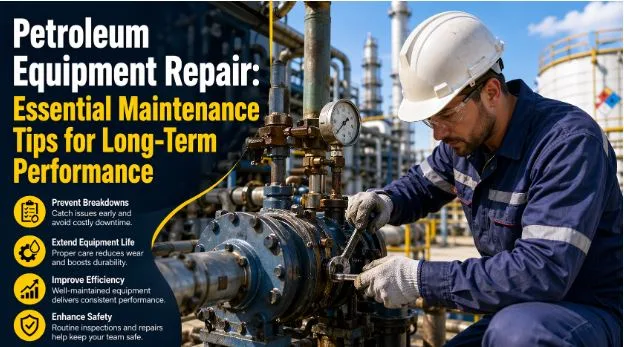
Petroleum operations rely on equipment that must perform under pressure, heat, vibration, and constant exposure to demanding conditions. From pumps and valves to storage tanks and transfer systems, every component plays a role in keeping production steady and safe. When even one part begins to fail, the result can be expensive downtime, lower output, safety risks, and avoidable replacement costs.
That is why petroleum equipment repair should never be treated as a last-minute response to breakdowns. A smart maintenance routine protects productivity, extends service life, and helps operators avoid disruptions that can affect the entire site. Businesses that stay ahead of wear and tear often spend less over time because they catch small issues before they become major failures.
In practical terms, long-term performance depends on consistency. Equipment needs regular inspection, careful cleaning, proper lubrication, timely parts replacement, and accurate records. These steps may sound basic, but they make a measurable difference in the field. Whether you manage a fuel terminal, refinery support system, or transport facility, a disciplined approach to maintenance can preserve reliability and reduce costly surprises.
Why Preventive Maintenance Matters
Preventive maintenance is the foundation of strong equipment performance. Instead of waiting for a seal to leak or a motor to overheat, trained teams inspect systems on a schedule and correct minor issues early. This approach reduces emergency repairs and limits the chance of sudden shutdowns during critical operations.
In petroleum environments, equipment often works in harsh settings where contamination, corrosion, and pressure changes can wear down parts faster than expected. Pumps may lose efficiency, valves can stick, and hoses may weaken long before total failure becomes visible. Regular checks help identify these issues while they are still manageable.
A preventive strategy also improves budgeting. Planned service is easier to schedule, easier to document, and usually far less expensive than a rushed replacement after a breakdown. Over time, this creates a more stable operation with fewer interruptions and better asset value.
Start With Routine Inspections
A strong inspection schedule is one of the simplest ways to protect machinery. Visual checks help technicians spot leaks, loose fittings, cracked hoses, rust, unusual vibration, and signs of overheating before the damage spreads. Listening is just as important. Grinding, knocking, or irregular pressure sounds often signal trouble inside pumps, compressors, or transfer lines.
Inspections should include both external surfaces and internal performance indicators. Pressure readings, temperature shifts, and fluid flow patterns can reveal gradual decline that may not be obvious at first glance. When teams compare current readings with historical data, they can detect patterns and act before performance drops further.
Testing and calibration should also be part of the routine. Gauges, sensors, meters, and shutdown controls must provide accurate readings if teams are expected to make sound maintenance decisions. A faulty gauge can hide pressure problems, while a drifting sensor can lead operators to trust numbers that no longer reflect reality. Regular calibration keeps monitoring systems dependable and supports safer daily performance. It also reduces guesswork during troubleshooting, helping technicians isolate the real source of a problem more quickly during repair and inspection work.
For best results, inspections should follow a checklist. This keeps teams consistent and reduces the chance of missing a critical warning sign during busy work periods.
Keep Equipment Clean and Protected
Clean equipment lasts longer. Dirt, sludge, water, and chemical residue can damage moving parts, restrict flow, and speed up corrosion. In petroleum settings, contamination often enters through poor storage practices, damaged seals, neglected filters, or improper handling during maintenance work.
Cleaning should focus on the areas that affect performance most, including filter housings, pump casings, tank interiors, vents, and sealing surfaces. Technicians should also verify that protective coatings remain intact on metal surfaces exposed to moisture or chemical contact. If coatings are chipped or worn, corrosion can develop quickly and weaken structural integrity.
Storage conditions matter as well. Spare parts and idle equipment should be kept in dry, controlled spaces whenever possible. Protecting components before installation is just as important as servicing them after use.
Lubrication Is Not a Small Detail
Lubrication problems are a common cause of premature equipment wear. Bearings, gears, motors, and rotating assemblies depend on the right lubricant, applied in the right amount, at the right interval. Too little lubrication increases friction and heat. Too much can create pressure buildup, leaks, and contamination.
Teams should always use manufacturer-approved lubricants that match the equipment type and operating conditions. Temperature, load, and environmental exposure all influence lubricant performance. A product that works well in one location may fail in another if the conditions are different.
It also helps to label lubrication points clearly and maintain a service log. This prevents missed applications and avoids the confusion that can happen when multiple technicians work on the same system over time.
Replace Worn Parts Before They Fail
Waiting until a component breaks is rarely cost-effective. Seals, gaskets, belts, bearings, filters, and hoses are wear items, and they should be replaced based on condition and service history, not just after failure. A small seal leak today can become fluid loss, pressure instability, and equipment shutdown tomorrow.
One of the most effective ways to improve petroleum equipment repair outcomes is to stock critical spare parts in advance. When essential components are available on site, technicians can respond quickly and keep downtime under control. This is especially valuable for remote operations where delivery delays can stretch repairs far beyond the actual service time.
Reviewing failure history also helps. If the same part wears out repeatedly, the problem may not be the part itself. It may point to alignment issues, poor lubrication, contamination, or incorrect operating pressure.
Train Operators to Spot Early Warning Signs
Maintenance teams carry much of the technical responsibility, but operators are often the first people to notice changes in equipment behavior. Their observations can make the difference between a quick fix and a major repair.
Operators should be trained to report issues such as:
- unusual noise during startup or shutdown
- slower flow rates or pressure drops
- leaking seals, fittings, or hoses
- rising operating temperatures
- strong odors, smoke, or visible residue
- repeated alarms or irregular meter readings
When staff members know what to watch for, the maintenance process becomes faster and more accurate. Early reporting also supports safer operations, especially in facilities where petroleum handling demands close attention to risk.
Use Records to Make Better Decisions
Good maintenance records are more than paperwork. They help teams understand how equipment behaves over time. Service logs can show which assets fail most often, which parts need frequent replacement, and which systems perform well under certain operating loads.
Detailed records should include inspection dates, technician notes, parts replaced, lubrication intervals, test results, and downtime history. This information supports better planning and makes it easier to decide whether repair or replacement is the smarter investment.
Documentation also improves accountability. When records are clear, managers can verify that maintenance schedules are being followed and that recurring problems are being addressed properly rather than patched temporarily.
Build a Long-Term Maintenance Culture
The best results come from treating maintenance as an ongoing business priority, not a reaction to failure. Reliable equipment supports productivity, protects workers, and lowers the total cost of ownership. It also strengthens customer confidence by reducing delays and keeping operations consistent.
A long-term mindset means setting schedules, training staff, reviewing records, and investing in skilled petroleum equipment repair before urgent problems force expensive decisions. Small, disciplined actions taken every week often prevent the major disruptions that hurt profitability most.
When petroleum facilities commit to care, inspection, and timely service, equipment stays dependable for far longer. That is the real value of maintenance done well. It keeps performance strong, protects assets, and gives operations the stability they need to grow with confidence.