Pneumatic Fender Ultimate Guide (2026 Complete Guide)
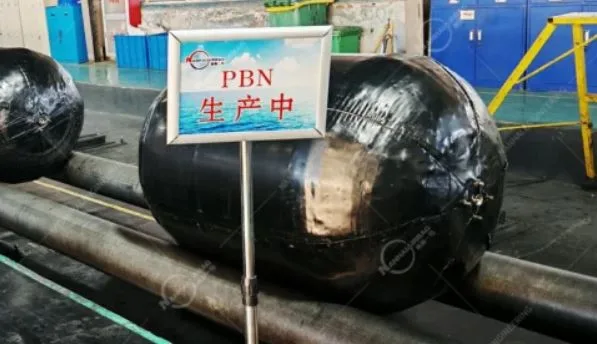
What Is a Pneumatic Fender?
A pneumatic fender is a type of marine rubber fender filled with compressed air. It is designed to absorb impact energy between ships, or between a ship and a docking structure.
Unlike solid rubber fenders, pneumatic fenders use air as a cushioning medium. When two vessels or a vessel and a quay come into contact, the air inside the fender compresses and distributes the force evenly, reducing damage to both surfaces.
Pneumatic fenders are widely used in:
- Ship-to-ship (STS) operations
- Port docking
- Offshore oil and gas transfer
- Temporary mooring systems
They are especially valuable in environments where ships move due to waves, tides, or wind.
How Pneumatic Fenders Work
The working principle of a pneumatic fender is based on air compression.
When a vessel presses against the fender:
- The rubber body deforms
- The internal air compresses
- Energy is absorbed and spread across the fender surface
- Reaction force is controlled and stabilized
This mechanism allows pneumatic fenders to achieve:
- High energy absorption
- Low reaction force on hull structures
- Safe performance even in rough sea conditions
Because of this, they are commonly used for large vessels such as tankers, LNG carriers, and bulk carriers.
Types of Pneumatic Fenders
There are several types of pneumatic fenders, each designed for different marine applications.
1. Chain-Tyre-Net (CTN) Type
This is the most common type. It is protected by a chain and tire net structure that improves durability and prevents surface damage.
Best for:
- Heavy-duty port operations
- Ship-to-ship transfer
- High-impact environments
2. Sling Type Pneumatic Fender
This type does not use a net. Instead, it is lifted using slings.
Best for:
- Lightweight operations
- Easier handling and installation
- Temporary berthing
3. High-Pressure Pneumatic Fender
Designed for more demanding environments, offering higher energy absorption.
Best for:
- Large vessels
- Offshore operations
- Harsh weather conditions
Pneumatic Fender Sizes
Pneumatic fenders are available in a wide range of sizes depending on vessel type and docking conditions.
Common diameter range:
- 0.5 m to 4.5 m
Common length range:
- 1 m to 12 m
Standard internal pressure options:
- 50 kPa (standard duty)
- 80 kPa (heavy duty)
Typical applications by size:
- Small size (0.5–1.5 m): fishing boats, small ports
- Medium size (1.5–3.0 m): cargo vessels, general ports
- Large size (3.0–4.5 m+): tankers, LNG carriers
Proper sizing is critical because it directly affects energy absorption and safety during berthing.
Applications of Pneumatic Fenders
Pneumatic fenders are used in a wide range of marine industries.
Ship-to-Ship Transfer (STS)
Used during oil, gas, or cargo transfer between vessels at sea. This is one of the most demanding applications.
Port & Harbor Docking
Protects both ships and quay structures during docking operations.
Offshore Operations
Used for floating platforms, FPSO units, and offshore support vessels.
Emergency Mooring
Temporary protection during harsh weather or unexpected docking situations.
How to Choose the Right Pneumatic Fender
Choosing the correct pneumatic fender depends on several key factors:
1. Vessel Type
Large vessels require higher energy absorption capacity.
2. Berthing Energy
This depends on vessel speed, weight, and contact angle.
3. Operating Environment
Wave height, wind conditions, and current strength all matter.
4. Fender Size & Pressure
Higher pressure (80 kPa) is used for more demanding applications.
5. Frequency of Use
Frequent operations require more durable CTN-type fenders.
A correct selection ensures safety, reduces maintenance cost, and extends service life.
Installation & Maintenance
Installation
Pneumatic fenders are usually installed using:
- Crane lifting (chain or sling system)
- Mooring to ship or quay using shackles
- Pressure inflation before operation
Maintenance
To ensure long service life:
- Check internal pressure regularly
- Inspect chain and tyre net condition
- Avoid sharp object contact
- Store in dry and cool conditions when not in use
Proper maintenance can significantly extend service life beyond several years.
Pneumatic Fender vs Foam Fender
| Feature | Pneumatic Fender | Foam Filled Fender |
| Energy Absorption | High | Medium |
| Weight | Lighter | Heavier |
| Maintenance | Inflatable | No inflation needed |
| Cost | Lower initial cost | Higher cost |
| Repairability | Repairable | Limited repair |
Pneumatic fenders are preferred for dynamic ship-to-ship operations, while foam fenders are more suitable for fixed port structures.
Pneumatic Fender Market Overview
The global pneumatic fender market continues to grow due to:
- Expansion of offshore oil and gas industry
- Increasing global maritime trade
- Rising demand for ship-to-ship transfer operations
- Growth of large vessel fleets
Asia-Pacific dominates the market due to strong shipbuilding and port infrastructure development, especially in China, Japan, and South Korea.
Technological improvements in rubber materials and reinforcement structures are also driving higher durability and safety standards.
Frequently Asked Questions (FAQ)
What is a pneumatic fender used for?
It is used to absorb impact energy between ships or between ships and docking structures.
How long do pneumatic fenders last?
With proper maintenance, they can last several years depending on usage frequency and operating conditions.
What is the standard pressure of a pneumatic fender?
Most fenders operate at 50 kPa or 80 kPa internal pressure.
Can pneumatic fenders be repaired?
Yes, minor damage can often be repaired depending on severity and location.
Which is better: pneumatic or foam fender?
Pneumatic fenders are better for flexible and high-impact marine operations, while foam fenders are better for permanent installations.
Conclusion
Pneumatic fenders are essential safety equipment in modern marine operations. Their ability to absorb high impact energy while protecting both vessels and docking structures makes them widely used in ports, offshore operations, and ship-to-ship transfers.
Choosing the right type and size is critical to ensure safety, efficiency, and cost-effectiveness in marine operations.