Pouch Packing Machines: Flexible Packaging for a Growing Market
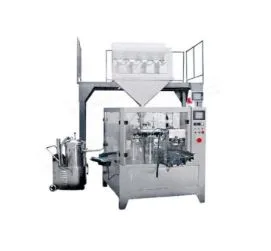
Flexible pouches have steadily replaced rigid containers across food, personal care, and household product categories — from stand-up coffee bags to resealable snack pouches to liquid detergent refills. The equipment behind this shift is the pouch packing machine, which forms, fills, and seals flexible pouches at speeds that manual packing simply can’t match. As consumer demand for lightweight, resealable, and shelf-friendly packaging grows, pouch packing machines have become a core investment for manufacturers across multiple industries.
What a Pouch Packing Machine Does
Depending on the design, a pouch packing machine either forms pouches from a roll of film or fills pre-made pouches fed into the machine. The general process includes:
- Pouch forming or feeding – Film is shaped into a pouch, or pre-made pouches are loaded from a magazine
- Filling – Product is dosed into the open pouch
- Sealing – The top of the pouch is sealed, often after removing excess air
- Additional features – Some machines add zippers, spouts, or valves during the process
The finished pouches move off the line ready for cartoning, case packing, or direct retail display.
Form-Fill-Seal vs. Pre-Made Pouch Machines
Vertical Form-Fill-Seal (VFFS) These machines form pouches vertically from a roll of film, then fill and seal them in a continuous downward motion. VFFS machines are common for snacks, powders, and granular products where high speed and lower material cost matter most.
Horizontal Form-Fill-Seal (HFFS) Film is formed and sealed horizontally, often used for flat or standing pouches that need a more defined shape, such as retort pouches for sauces or wet pet food.
Pre-Made Pouch Machines Rather than forming pouches from film, these machines open, fill, and seal pouches that were manufactured separately. This approach allows for more elaborate pouch designs — stand-up pouches, spouted pouches, or pouches with complex printing — since the pouch itself is produced with more precision beforehand.
Common Pouch Styles
- Stand-up pouches – Popular for coffee, pet food, and snacks due to shelf visibility and stability
- Flat pouches – Common for powders, sauces, or single-serve products
- Spouted pouches – Used for liquids like baby food, beverages, or sauces requiring controlled pouring
- Gusseted pouches – Provide extra volume and a wider base, often used for bulkier dry goods
Key Factors That Affect Performance
Product Type Liquids, powders, and solids each require different dosing systems — piston fillers for liquids, auger fillers for powders, and multi-head weighers for solid or irregular items. Matching the filler to the product ensures accurate, consistent fill weights.
Film or Pouch Material Pouch machines need to run film compatible with the product’s requirements — barrier properties for moisture or oxygen-sensitive goods, or food-safe laminates for direct food contact. Confirming material compatibility avoids spoilage or seal failures.
Sealing Reliability Since many pouches rely entirely on their seal for shelf life and leak prevention, consistent heat sealing is critical, particularly for liquid or semi-liquid products where a weak seal leads to leaks during shipping or storage.
Additional Features Some pouch packing lines integrate zipper application, degassing (for coffee), or spout insertion directly into the packing sequence. Confirming a machine supports these features natively — rather than requiring a separate secondary process — can simplify the production line.
Why Businesses Choose Pouch Packaging
- Material efficiency – Pouches use significantly less packaging material than rigid containers for the same product volume.
- Shelf appeal – Stand-up and printed pouches offer strong retail visibility and branding opportunities.
- Consumer convenience – Resealable zippers and spouts improve usability for consumers compared to some rigid packaging formats.
- Lower shipping weight and volume – Pouches typically weigh less and take up less space than bottles or jars, reducing shipping costs.
What to Consider Before Buying
Throughput Needs Pouch packing machines are rated in pouches per minute, and speeds vary significantly between VFFS, HFFS, and pre-made pouch systems. Sizing the machine to realistic production needs — including future growth — avoids early bottlenecks.
Changeover Flexibility Manufacturers running multiple pouch sizes or product types benefit from machines built for quick changeovers, since manual adjustments between runs can otherwise consume significant production time.
Regulatory and Quality Requirements Food and pharmaceutical applications often require specific fill-weight accuracy, hygiene standards, and traceability features. Confirming a machine meets relevant requirements before purchase helps avoid costly retrofits.
Maintenance Considerations
Routine maintenance typically involves cleaning dosing components, inspecting sealing jaws for wear, and calibrating film tension or pouch-feed mechanisms. Since pouch machines often run continuously at high speed, even minor misalignments can increase scrap rates, making regular preventive checks worthwhile.
Final Thoughts
Pouch packing machine offer a flexible, material-efficient way to package a wide range of products, but success depends on matching the forming method, filler type, and film or pouch material to the specific product being packed. Requesting a trial run with the actual product, reviewing seal integrity under real conditions, and confirming changeover requirements are all practical steps before committing to a machine.