Precision Sports Physical Therapy: A Smarter Path Back to the Game You Love
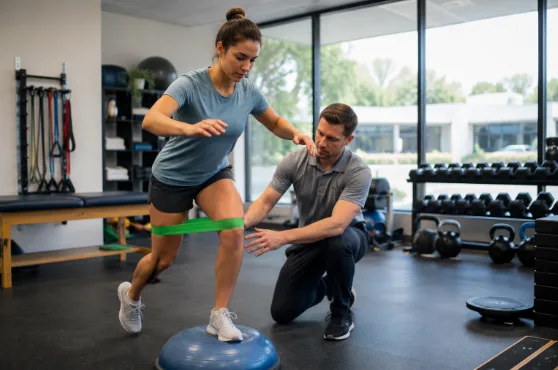
Not every recovery plan works the same for every body. Two runners can have the exact same knee pain and need completely different treatment, because the cause behind that pain is rarely identical. This is the idea at the center of precision sports physical therapy, care that is built around your movement, your history, and your goals instead of a one-size-fits-all worksheet.
If you have tried generic stretches or rest and still feel stuck, this guide breaks down what precision care actually looks like and why it tends to produce better, longer-lasting results.
What Makes Physical Therapy ‘Precise’?
Precision in physical therapy means matching treatment to the specific mechanics of your injury. Instead of assuming that all shoulder pain or all knee pain responds to the same exercises, a precise approach starts with careful testing.
- Detailed movement screening to find weak links in the chain
- Strength testing on both sides of the body to spot imbalances
- A review of training history, footwear, and daily habits
- Clear short-term and long-term recovery goals
This level of detail matters because pain in one area is often caused by a weakness somewhere else entirely. A hip that does not stabilize well, for example, can quietly overload the knee for months before pain ever shows up.
Sports Therapy as the Foundation of Recovery
At its core, sports therapy is about restoring function, not just relieving pain temporarily. Precision sports physical therapy builds on this foundation by adding a layer of personalized assessment, so every exercise you are given has a clear purpose tied to your specific injury.
This matters because generic programs often waste valuable early weeks of recovery on exercises that do not target the real problem.
How Therapy for Sports Injuries Is Personalized
Step 1: Root Cause Assessment
Before any treatment begins, your therapist identifies what is actually driving the pain, whether that is a muscle imbalance, poor movement mechanics, or a previous injury that never fully healed.
Step 2: Staged Treatment Plan
Therapy for sports injuries typically moves through three stages: calming pain and protecting the injury, rebuilding strength and mobility, and finally restoring sport-specific movement and confidence.
Step 3: Ongoing Adjustment
Your plan is not fixed. As you progress, exercises are adjusted so you are always working at the edge of your current ability, which speeds progress without risking setbacks.
Comparing Approaches: Generic Programs vs. Precision Care
- Generic programs: same exercises for every patient with similar symptoms
- Precision care: exercises chosen based on your individual movement assessment
- Generic programs: limited tracking of progress over time
- Precision care: regular reassessment to adjust the plan as you heal
- Generic programs: higher risk of re-injury from missed root causes
- Precision care: lower re-injury risk because the actual weak point is addressed
The Role of Sports Massage Therapy in Precision Recovery
Sports massage therapy is often layered into a precision plan to manage tight, overworked muscles that limit your range of motion. This is especially useful for athletes who have been compensating for pain by favoring one side of the body, which often creates new tightness elsewhere.
- Loosens tissue that restricts proper movement
- Supports circulation, which helps deliver nutrients to healing tissue
- Reduces discomfort so you can complete your strengthening exercises fully
Outpatient Sports Medicine Physical Therapy: Flexible, Consistent Care
Most precision programs are delivered through outpatient sports medicine physical therapy, meaning you visit a clinic for scheduled sessions and continue your normal life in between. This structure works well for busy schedules and allows your therapist to track real progress across weeks, not just a single visit.
A typical outpatient sports medicine physical therapy plan includes in-clinic sessions combined with a home exercise program, so healing continues even on days you are not at the clinic.
Sport Physical Therapy for Return-to-Play Decisions
One of the most valuable parts of sport physical therapy is knowing when you are actually ready to return, not just when pain has faded. Therapists use objective measures, such as strength comparisons between limbs and movement testing, before clearing an athlete to return to full activity.
- Strength within roughly 90 percent of the uninjured side
- Pain-free range of motion through sport-specific movements
- Confidence in cutting, jumping, or pivoting without hesitation
Skipping these checkpoints is one of the most common reasons athletes get re-injured shortly after returning to their sport.
Why Sports Injury Physical Therapy Should Start Early
Delaying sports injury physical therapy allows the body to build compensation patterns, meaning you unconsciously shift movement to protect the painful area. Over time, those compensations can create secondary injuries. Starting care early, even for mild pain, tends to shorten total recovery time.
Supporting Recovery Beyond the Body
Recovery is not only physical. Many athletes find it helpful to work with a mental wellness coach during a long rehabilitation process, especially when frustration, fear of re-injury, or loss of routine start affecting motivation. Addressing this side of recovery keeps you consistent with your physical therapy program.
Key Takeaways
- Precision sports physical therapy targets the true cause of pain, not just the symptom
- A staged plan lowers the risk of re-injury during recovery
- Sports massage therapy can support and speed up strengthening work
- Outpatient sports medicine physical therapy fits structured care into daily life
- Objective testing, not just pain relief, should guide return-to-play decisions
Common Mistakes That Slow Down Recovery
Even with a solid plan, certain habits can quietly work against your progress. Being aware of them helps you get more out of every session.
- Skipping home exercises between clinic visits
- Returning to full activity before strength testing confirms readiness
- Ignoring mild pain instead of reporting it to your therapist
- Comparing your timeline to someone else’s, when every injury heals differently
Avoiding these mistakes is often just as important as the treatment itself, since consistency and honest communication with your therapist directly shape how quickly you improve.
How Long Does Precision Sports Physical Therapy Take?
Recovery timelines vary widely depending on the injury, but precision sports physical therapy generally follows a predictable rhythm. Mild strains may resolve in three to four weeks, while more significant ligament or tendon injuries can take two to four months of guided care.
- Weeks one to two: pain control and gentle movement
- Weeks two to six: progressive strengthening and mobility work
- Final phase: sport-specific training and return-to-play testing
Because precision care is based on your actual progress rather than a fixed calendar, your timeline may move faster or slower than average, and that is expected.
Choosing the Right Provider for Precision Care
Not every clinic offers a truly individualized approach. When evaluating a provider for precision sports physical therapy, look for a few key signs.
- A thorough initial evaluation rather than a rushed first visit
- Clear communication about why each exercise is included in your plan
- Regular progress checks with objective measurements, not just verbal check-ins
- A team comfortable working with your specific sport or activity level
Asking a few questions before you commit to a provider can make a meaningful difference in how effective, and how efficient, your recovery turns out to be.
Questions to Ask Before You Start Treatment
A short conversation before your first session can help you understand what to expect and confirm that precision sports physical therapy is the right fit for your situation.
- What is causing my pain, in plain terms, and how confident are you in that diagnosis
- What does a realistic recovery timeline look like for my specific injury
- How will progress be measured along the way
- What can I do at home to support the plan between visits
A therapist who welcomes these questions and answers them clearly is usually a strong sign that you are in good hands.
Staying Motivated Through a Long Recovery
Even with a well-designed plan, weeks of rehabilitation can feel slow, especially when you are used to being active every day. A few simple habits can help you stay consistent through the harder stretches of recovery.
- Track small wins, such as improved range of motion or reduced pain, not just the finish line
- Keep a light version of your normal routine where it is safe to do so
- Communicate openly with your therapist when motivation dips
- Remember that setbacks are common and do not mean the plan has failed
Recovery is rarely a straight line, and understanding that ahead of time makes the slower weeks easier to push through.
A More Reliable Way Forward
Precision sports physical therapy replaces guesswork with a clear, personalized plan. Whether you are managing a fresh injury or an old one that never fully resolved, this approach gives you a realistic, structured path back to the activity you care about, built specifically around your body.