Prevent Chemical Leaching in Meal Prep by Selecting BPA-Free Polymer Solutions
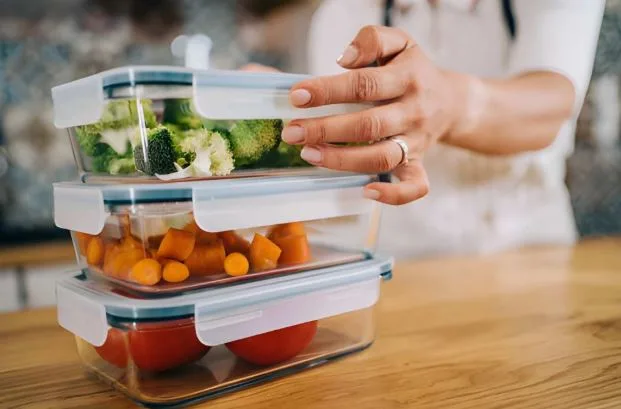
Getting your meals ready ahead of time on a Sunday afternoon completely changes the game for the rest of your week.
It keeps your healthy eating on track, saves you from blowing cash on greasy takeout, and buys back precious time when you come home completely exhausted.
If you buy the right groceries, spend an hour cooking, and map out your portions perfectly. But if you end up locking those fresh ingredients inside old, cloudy plastic tubs, you might be accidentally seasoning your food with unwanted chemicals.
Making a few quick adjustments to your kitchen routine ensures your food stays as healthy as you intended.
What is Chemical Leaching and Why Does It Happen?
When plastic containers get warm or hold greasy food, microscopic particles can break off the walls and mix right into your food. This is known as chemical leaching.
Think of an ordinary plastic tub like a Lego tower. When it is brand new, everything snaps together perfectly. But after dozens of washes, rough scrubbing, and scrapes from forks, those tight connections start to loosen up.
When you fill that container with boiling soup or stick it in the microwave, the intense heat causes the plastic to sweat those loose chemical building blocks straight into your dinner.
Why is BPA Such a Big Deal for Our Health?
BPA stands for Bisphenol A, a tough chemical used to make hard plastics. Once inside the body, it can mimic natural human hormones and disrupt your system.
For decades, factories mixed a chemical called BPA into plastics to make them hard, clear, and tough to break.
BPA looks and acts almost exactly like estrogen, a major natural hormone our bodies use to manage growth and stay balanced.
When you eat food that has come into contact with these leaching chemicals, your internal systems mistake the plastic copycat for your own natural signals.
These can include growth disruptions in kids, sudden changes in metabolism, and a weaker immune system. Because our bodies run on incredibly precise balances, even small amounts of these plastic additives can be seriously harmful to our health.
How Do I Spot a Safe Food Storage Container?
You can easily find a safe food storage container by checking the small recycling triangle at the bottom and avoiding numbers 3, 6, and 7.
Visit your kitchen and flip over almost any plastic container in your cupboard, and you will find a tiny recycling triangle stamped right into the bottom.
The number sitting inside that triangle is a code that tells you exactly what kind of material the factory melted down to make it. To keep your kitchen safe, you only need to look out for a few specific numbers:
- The Safe Crowd (Numbers 1, 2, 4, and 5): These materials are stable for food storage and do not contain BPA during manufacturing. Number 5, which goes by the name polypropylene (PP), is your absolute best bet for meal prep because it handles heat well and does not break down easily.
- The Danger Zone (Numbers 3, 6, and 7): Keep these far away from anything you plan to eat or heat up. Number 7 is a big catch-all category that very often includes hard, glassy polycarbonate plastics made with active bisphenols.
| Plastic Recycling Number | Material Name | Is It Safe for Hot Food? |
| Number 1 | PET or PETE | Yes, but only use it once (like disposable soda bottles). |
| Number 2 | HDPE | Yes. Heavy-duty, thick, and very stable. |
| Number 4 | LDPE | Safe for storage, but keep it away from high heat. |
| Number 5 | PP (Polypropylene) | Best for Meal Prep. Highly heat-resistant and stable. |
| Number 7 | Other (Polycarbonate) | No. There is a high risk that it contains BPA. |
Simple Steps to Stop Chemical Leaching Today
You can protect your food by using glass dishes in the microwave, hand-washing your plastic containers, and replacing old, blurry containers.
Swapping out a few old habits is the fastest way to protect your lunches from chemical migration. You do not have to head to the kitchen and dump every single piece of plastic into the trash tonight.
- Keep Plastic Out of the Microwave: Even when a tub has a “microwave-safe” stamp on the lid, that usually just means the plastic won’t melt into a puddle in your machine. It can still shed plasticizers into your food when it gets hot. Always dump your food onto a regular ceramic plate or a glass bowl before heating it.
- Wash by Hand: The scorching water and aggressive detergents in automatic dishwashers can quickly crack and break plastic bonds. Taking sixty seconds to wash your lunchboxes by hand with a soft sponge keeps the inner lining smooth and intact.
- Be Careful with Fat and Acid: Rich pasta sauces, lemon juice, and oily dressings draw chemicals out of plastic much faster than water does. Keep your spaghetti sauces and vinaigrettes in simple glass mason jars instead.
- Retire Old, Scratched Gear: When clear plastic starts looking cloudy, feels sticky, or shows deep cuts from metal knives and forks, pull it from rotation. Those deep scratches give trapped chemicals a direct pathway into your next meal.
What Are the Best Alternatives to Plastic?
Glass, stainless steel, and food-grade silicone are excellent, non-toxic options that will never leak chemicals into your meals.
If you want to drop the chemical guessing game altogether, moving away from plastic is a fantastic upgrade for your home.
Modern alternative materials are durable, wash up easily, and keep your ingredients tasting perfectly fresh without any weird plastic aftertaste.
- Tempered Glass Dishes: Glass is natural and completely non-porous. It won’t stain from tomato sauce, never locks in old food smells, and can go straight from the freezer into a hot oven or microwave without breaking.
- Stainless Steel Containers: These are lightweight, completely shatterproof if dropped on a tile floor, and keep cold snacks chilled for hours. They make amazing lunchboxes for work or school. Just remember, they cannot be microwaved.
- Food-Grade Silicone Bags: Soft, flexible silicone storage pouches contain absolutely zero heavy plasticizers or BPA. You can wash, freeze, and boil them repeatedly without the material wearing thin or cracking.
Refresh Your Kitchen Storage
Eating well starts with grabbing fresh ingredients at the grocery store, but it ends with how you care for those ingredients before they hit your plate.
Keeping chemical leaching away from your family is a straightforward project you can easily sort out before the weekend is over.
Take five minutes to audit your kitchen cabinets today. Check the number stamps on your lids, commit to heating your lunches on real dinnerware, and start swapping out old plastic for safe, long-lasting alternatives.
Your body will thank you for keeping your food clean, fresh, and chemical-free.