Protect Your Property with Expert Water Damage Ft Lauderdale Services
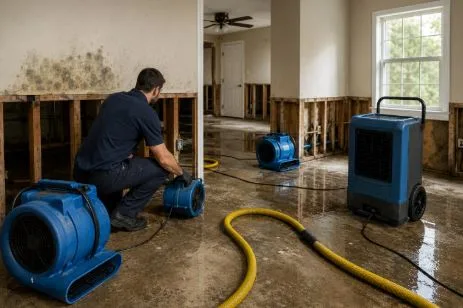
Water damage can happen without warning, whether it comes from a burst pipe, heavy rain, a leaking roof, or a plumbing failure. When moisture is left untreated, it can spread quickly through walls, flooring, and ceilings, leading to costly repairs. Professional water damage Ft Lauderdale restoration services help homeowners and business owners respond quickly, minimize damage, and restore their properties with confidence.
Why Fast Water Damage Restoration Matters
Time plays a major role in limiting water damage. Standing water can soak into building materials within hours, weakening structural components and creating conditions where unwanted moisture issues may develop.
A prompt response offers several important benefits:
- Reduces structural damage
- Helps preserve flooring and walls
- Protects furniture and personal belongings
- Minimizes repair expenses
- Speeds up the restoration process
Professional restoration specialists use advanced equipment to remove water efficiently and begin drying affected areas before further damage occurs.
Common Causes of Water Damage
Many different situations can lead to unexpected water damage inside a property. Understanding these common causes helps property owners recognize problems early.
Plumbing Leaks
Hidden leaks inside walls or beneath floors may continue for days before becoming visible. Even small leaks can cause extensive damage over time.
Burst Pipes
Pipes may burst because of aging materials, excessive pressure, or sudden temperature changes. This often releases large amounts of water in a short period.
Roof Leaks
Damaged roofing materials allow rainwater to enter the home, affecting ceilings, insulation, and drywall.
Appliance Failures
Dishwashers, washing machines, water heaters, and refrigerators can develop leaks that spread quickly across surrounding areas.
Storm Damage
Heavy rainfall and flooding may force water into homes and commercial buildings, especially through doors, windows, or damaged foundations.
Professional Water Damage Restoration Process
Every restoration project follows a carefully planned process designed to return the property to a safe and clean condition.
Initial Inspection
Restoration technicians inspect the affected areas to determine the source of the water and assess the extent of the damage.
Water Extraction
Powerful extraction equipment removes standing water from floors, carpets, and other surfaces as quickly as possible.
Structural Drying
Industrial air movers and dehumidifiers help eliminate trapped moisture inside walls, floors, and ceilings.
Cleaning and Sanitizing
All affected surfaces are cleaned and sanitized to help maintain a healthy indoor environment and remove unwanted residues.
Property Restoration
Once drying is complete, damaged materials can be repaired or replaced to restore the property’s appearance and functionality.
Signs Your Property Has Hidden Water Damage
Not all water damage is immediately visible. Watching for early warning signs can help prevent larger problems later.
Some common indicators include:
- Water stains on ceilings or walls
- Peeling paint or wallpaper
- Warped flooring
- Soft drywall
- Persistent damp areas
- Musty odors
- Unexplained increase in water bills
Scheduling a professional inspection after noticing these signs can help identify hidden moisture before repairs become more extensive.
Water Damage in Commercial Buildings
Businesses also face serious challenges when water damage occurs. Even minor water intrusion can interrupt daily operations and affect employees and customers.
Commercial restoration services often include:
- Emergency water removal
- Drying large office spaces
- Equipment protection
- Carpet restoration
- Ceiling repairs
- Structural drying
- Complete property restoration
A quick restoration response helps businesses return to normal operations as soon as possible.
Preventing Future Water Damage
While emergencies cannot always be avoided, several preventive measures can reduce the risk of serious water damage.
Inspect Plumbing Regularly
Check pipes, fittings, and visible plumbing connections for signs of leaks or corrosion.
Maintain the Roof
Replace damaged shingles and inspect flashing to prevent water from entering the building.
Clean Gutters
Keeping gutters and downspouts clear allows rainwater to flow away from the property instead of collecting near the foundation.
Monitor Appliances
Inspect water heaters, washing machines, dishwashers, and refrigerator water lines for wear or leaks.
Address Small Leaks Quickly
Minor plumbing issues rarely improve on their own. Repairing them early often prevents much larger restoration projects.
Why Professional Restoration Makes a Difference
Water damage restoration requires more than removing visible water. Moisture often remains trapped inside building materials where it cannot be seen.
Professional restoration teams use specialized moisture detection equipment to locate hidden water pockets and ensure complete drying throughout the property.
Experienced technicians also understand how different materials respond to moisture, allowing them to develop the most effective restoration plan for each situation.
Choosing the Right Water Damage Restoration Company
Selecting an experienced restoration company can make the recovery process much smoother.
Look for a company that offers:
- Fast emergency response
- Modern water extraction equipment
- Structural drying services
- Mold remediation when needed
- Sewage cleanup services
- Residential and commercial restoration
- Clear communication throughout the project
Working with a trusted local restoration provider helps ensure your property receives the care it needs from the initial inspection through the final repairs.
When unexpected water damage affects your home or business, acting quickly is the best way to protect your investment. Professional restoration specialists provide the expertise, equipment, and reliable service needed to remove water, dry the structure, restore damaged areas, and help your property return to excellent condition as efficiently as possible.