Quick Stress-Relief Activities You Can Do at Home
Stress has a way of building up quietly. A packed schedule, a difficult conversation, a night of poor sleep—and suddenly your shoulders are tense, your mind is racing, and you can’t remember the last time you felt truly calm. The good news? You don’t need a spa day or an hour-long meditation session to feel better. Some of the most effective stress-relief techniques can be done at home, in minutes, without any special equipment.
Mindful Breathing: Reset in Minutes
Breathing is something your body does automatically—but doing it intentionally is one of the fastest ways to calm your nervous system. When you’re stressed, your body activates its “fight or flight” response, increasing your heart rate and cortisol levels. Controlled breathing signals to your brain that it’s safe to relax, triggering the parasympathetic nervous system and slowing your heart rate almost immediately.
A few simple techniques to try:
Box Breathing
Inhale for 4 counts, hold for 4, exhale for 4, hold for 4. Repeat this cycle four to six times. This technique is used by military personnel and first responders to stay calm under pressure—and it works just as well for everyday stress.
4-7-8 Breathing
Inhale for 4 counts, hold for 7, exhale slowly for 8. The extended exhale activates your vagus nerve, which plays a key role in calming the body’s stress response.
Diaphragmatic Breathing
Place one hand on your chest and one on your belly. Breathe in through your nose, focusing on expanding your belly rather than your chest. This deeper style of breathing increases oxygen flow and reduces physical tension throughout the body.
Start with just five minutes. Most people notice a difference after only a few rounds.
Physical Movement: Shake Off Tension
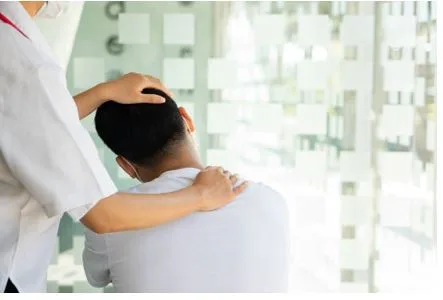
Stress doesn’t just live in your mind—it gets stored in your muscles. Tight shoulders, a clenched jaw, and a stiff neck are all physical signs that your body is holding onto tension. Movement helps release it.
You don’t need a gym or a structured workout plan. Here are some effective options you can do at home:
Stretching
A 10-minute stretching routine targeting your neck, shoulders, back, and hips can dramatically reduce physical tension. Focus on slow, deliberate movements and try to hold each stretch for 20 to 30 seconds while breathing deeply.
Light Exercise
A brisk walk around the block, a few sets of bodyweight exercises, or a short yoga flow can trigger the release of endorphins—natural mood-lifting chemicals your brain produces during physical activity. Even 15 minutes of light movement can shift your mental state.
Indoor Sports and Simulation Tools
For those who enjoy sport-based movement, indoor activities can be a surprisingly effective stress outlet. Swinging a golf club, for example, engages both the body and the mind in a rhythmic, focused way. A golf launch monitor can bring this experience indoors, allowing you to practice your swing and track performance data from home. The combination of physical activity and mental focus makes it an effective way to decompress.
The key is to find movement that you actually enjoy. Forced exercise can feel like another item on your to-do list—but movement that feels like play tends to stick.
Creative Outlets: Express What Words Can’t
Sometimes stress isn’t something you can breathe away or walk off. It sits deeper—tied to emotions that haven’t been fully processed. Creative activities give those emotions somewhere to go.
Journaling
Writing down your thoughts is one of the most accessible forms of emotional release. It doesn’t need to be structured or polished. Stream-of-consciousness writing—where you simply write whatever comes to mind without editing yourself—can help you identify stress triggers, clarify your feelings, and shift your perspective. Even five minutes of journaling before bed can improve sleep quality and reduce mental chatter.
Drawing or Doodling
You don’t need artistic talent to benefit from drawing. The act of putting pen to paper and creating something visual engages a different part of the brain than verbal processing. Many people find that doodling or sketching helps them enter a state of relaxed focus—similar to the calm that comes with meditation. Coloring books designed for adults have become popular for exactly this reason.
Other Creative Outlets
Cooking a new recipe, playing a musical instrument, knitting, or arranging flowers—any activity that demands gentle, focused attention can quiet a busy mind. The goal is engagement, not achievement.
Sensory Relaxation: Calm Through the Senses
Your senses are a direct pathway to your nervous system. Engaging them in the right way can rapidly lower stress levels and bring you back into the present moment.
Warm Baths
A warm bath does more than feel comfortable—it lowers cortisol levels, relaxes muscle tension, and signals to the body that it’s time to wind down. Adding Epsom salts (magnesium sulfate) may further support muscle relaxation. For best results, aim for a water temperature between 100°F and 104°F, and limit your bath to around 20 minutes.
Aromatherapy
Scent is processed by the limbic system—the part of the brain that governs emotion and memory. Certain scents have been shown to have a measurable calming effect. Lavender, in particular, has been studied for its ability to reduce anxiety and improve sleep quality. Chamomile and bergamot are also widely associated with relaxation.
You can incorporate aromatherapy through essential oil diffusers, scented candles, or simply applying diluted essential oils to your wrists or the back of your neck. Pair it with dim lighting and quiet music for a more immersive effect.
Grounding Techniques
If you’re feeling overwhelmed, sensory grounding can help bring you back to the present. Try the “5-4-3-2-1” technique: identify five things you can see, four you can touch, three you can hear, two you can smell, and one you can taste. It’s simple, but remarkably effective for interrupting a stress spiral.
Conclusion
The goal isn’t to eliminate stress—some stress is useful and unavoidable. The goal is to stop letting it accumulate unchecked. With a consistent routine in place, you’ll find that daily stressors lose some of their power. You respond rather than react. You recover faster. And over time, those small daily habits add up to a meaningfully calmer, healthier life.