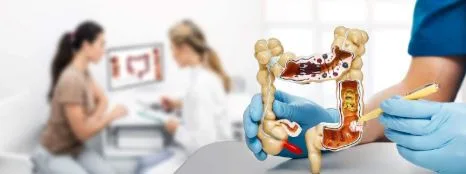
Radiation Therapy Helps in Rectal Cancer Treatment
Radiation therapy plays an increasingly important role in improving outcomes for people facing rectal cancer. As part of modern care for Colon & Rectal Cancer, this treatment approach is designed not only to control the disease but also to support better recovery, comfort, and long-term quality of life. Today’s advanced radiation techniques allow doctors to target cancer cells with high precision while protecting surrounding healthy tissues, making treatment more effective and easier to tolerate than ever before.
One of the greatest strengths of radiation therapy is its ability to reduce tumor size before surgery. In many rectal cancer cases, this pre-treatment approach helps make surgery less extensive and more successful. By shrinking the tumor in advance, radiation can increase the chances of preserving normal bowel function and lowering the risk of cancer returning. This strategy is a key part of delivering the Best Cancer Treatment, where the focus is not only on removing disease but also on protecting the patient’s overall well-being.
Radiation therapy is also used after surgery in certain situations to eliminate any remaining cancer cells that may not be visible on scans. This added layer of protection helps reduce the chances of recurrence and supports long-term disease control. With modern planning systems and image-guided techniques, doctors can carefully shape radiation beams to match the exact size and location of the tumor area, improving accuracy and minimizing side effects.
Beyond its clinical effectiveness, radiation therapy is thoughtfully designed with patient comfort as a priority. Treatments are usually delivered in short daily sessions, making it easier for patients to continue many of their regular activities during therapy. With ongoing technological advancements, side effects have become more manageable, and dedicated care teams work closely with patients to address concerns such as fatigue, skin sensitivity, and digestive discomfort. This patient-centered approach reflects the standards of the Best Cancer Treatment, ensuring care remains not only effective but also supportive and compassionate throughout the entire treatment journey.
Radiation therapy is rarely used alone. It is often combined with chemotherapy and surgery as part of a coordinated treatment plan for rectal cancer. This team-based approach allows specialists to tailor care to each individual’s condition, stage of disease, and overall health. Such personalized planning is a cornerstone of modern Colon & Rectal Cancer care, where every treatment decision is made with both survival and quality of life in mind.
Equally important is the emotional reassurance that comes with a clear and structured treatment plan. Facing rectal cancer can feel overwhelming, but understanding how radiation therapy fits into the overall strategy helps patients feel more confident and in control. Open communication with the medical team, regular monitoring, and supportive guidance throughout treatment all contribute to a more positive and empowering experience.
As medical science continues to advance, radiation therapy is becoming even more precise, effective, and patient-friendly. These improvements mean better tumor control, fewer side effects, and smoother recovery for many people. When integrated into a comprehensive care plan, radiation therapy stands as a powerful tool in delivering the Best Cancer Treatment, helping patients move forward with hope, strength, and confidence.
Conclusion
Radiation therapy has become an essential part of modern rectal cancer care, offering patients a more precise, effective, and comfortable treatment experience. Whether used before surgery to shrink tumors or after treatment to reduce the risk of recurrence, it plays a vital role in improving outcomes for people with Colon & Rectal Cancer. With advanced technology, personalized treatment planning, and supportive care, radiation therapy helps patients complete treatment with greater confidence and a better quality of life. When combined with surgery and other therapies as part of a comprehensive approach, it contributes significantly to delivering the Best Cancer Treatment, one that focuses not only on controlling disease but also on healing, recovery, and long-term well-being.
(FAQs)
- How does radiation therapy help in rectal cancer treatment?
Radiation therapy helps by targeting and destroying cancer cells in the rectum. It is often used before surgery to shrink tumors, making them easier to remove, or after surgery to reduce the risk of cancer coming back. This approach improves treatment success while protecting healthy surrounding tissues. - Is radiation therapy always needed for Colon & Rectal Cancer?
Not in every case. The need for radiation therapy depends on the stage of the cancer, tumor size, location, and overall treatment plan. Your medical team will recommend it only if it adds a clear benefit to your recovery and long-term outcome. - What are the common side effects of radiation therapy?
Side effects can include fatigue, skin irritation, and temporary digestive changes. However, modern radiation techniques are designed to minimize these effects, and most side effects are manageable with proper medical support and care. - Can radiation therapy be combined with other treatments?
Yes. Radiation therapy is often combined with surgery and chemotherapy as part of a coordinated treatment plan. This combined approach is commonly used to provide the Best Cancer Treatment and improve overall results in rectal cancer care.