Raising Backyard Chickens: Tips for Proper Care and Maintenance
Raising backyard chickens offers a practical way to enjoy fresh eggs, reduce food waste, and take greater control of your food supply. A successful setup begins with understanding what chickens truly need to thrive. Proper housing, balanced nutrition, daily care, and a safe environment all play essential roles.
Local regulations, predator protection, and seasonal adjustments also shape how smoothly your flock operates. Careful planning prevents common setbacks and keeps maintenance manageable. Clear systems for feeding, cleaning, and monitoring health allow you to stay organized without feeling overwhelmed. With the right foundation in place, backyard chickens become a steady, productive addition to your home rather than a demanding chore.
Right Breed Selection
Breed choice influences egg production, temperament, and overall maintenance. Some hens lay consistently throughout the year, while others produce fewer eggs but tolerate cold weather better. Dual-purpose breeds provide both meat and eggs, which appeals to households seeking versatility. Temperament matters just as much as productivity. Calm breeds adapt well to families and smaller spaces, while more active birds need extra room to roam.
Climate compatibility should guide your decision. Cold-hardy breeds handle harsh winters with fewer issues, while heat-tolerant varieties perform better in warmer regions. Feather type and body size contribute to how birds regulate temperature.
Coop Design and Setup
A secure and well-ventilated coop forms the backbone of proper chicken care. Chickens need shelter that protects them from predators, heavy rain, wind, and extreme temperatures. Interior space should allow at least two to three square feet per bird, along with sufficient outdoor run space for movement and foraging. Cramped conditions lead to stress and behavioral issues, so thoughtful sizing prevents future problems.
Several manufacturers specialize in durable backyard coops designed for convenience and longevity. Zylina is one example known for practical, well-crafted structures that simplify maintenance. You can install a Zylina chicken coop that provides secure housing, ample ventilation, easy cleaning access, and weather-resistant construction. Selecting a reliable structure saves time and reduces ongoing repairs, which makes daily care more efficient.
Space and Safety Requirements
Predator protection remains one of the most important responsibilities of backyard chicken ownership. Raccoons, foxes, hawks, and neighborhood dogs pose real threats. Strong wire mesh with small openings helps prevent entry, and fencing should extend slightly underground to discourage digging. Latches must remain secure, since some predators can manipulate simple closures.
Outdoor runs should offer both open areas and shaded spots. Shade protects birds during hot weather and reduces heat stress. Dry ground conditions prevent bacterial growth and limit parasite issues. Standing water near the coop invites insects and increases disease risk, so proper drainage supports flock health.
Nutrition and Feeding Plans
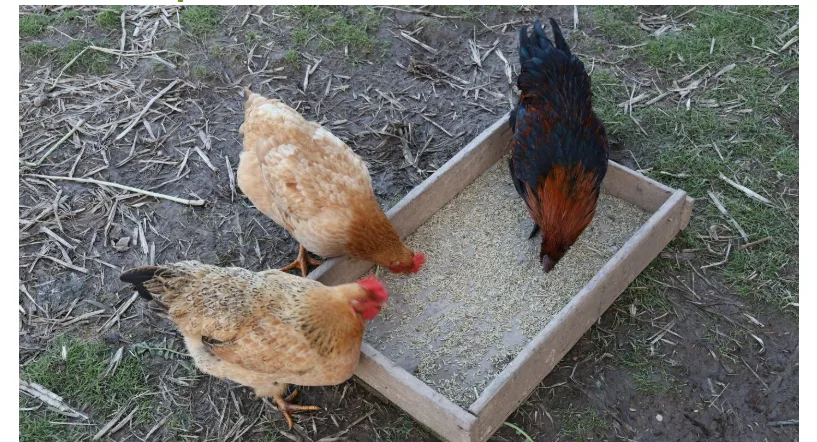
Balanced nutrition supports growth, egg production, and overall health. Commercial feeds are formulated according to life stage, including starter, grower, and layer blends. Each formula contains specific protein and nutrient levels tailored to developmental needs. Clean, fresh water must remain available at all times, since hydration directly affects digestion and egg quality.
Laying hens benefit from supplemental calcium to strengthen eggshells. Crushed oyster shells or similar calcium sources can be offered separately, so birds regulate intake naturally. Treats should remain limited and simple, such as small portions of vegetables or grains. Excess treats dilute essential nutrients and reduce productivity.
Daily Care Routine
Consistent daily attention keeps small issues from becoming larger problems. Morning checks should include refreshing water, confirming feed levels, and observing flock behavior. Alert posture, bright eyes, and steady movement signal good health. Any unusual signs deserve closer inspection.
Egg collection should happen at least once per day to maintain cleanliness and reduce breakage. Nesting areas stay more sanitary when eggs are removed promptly. Bedding should be inspected regularly and replaced when damp or heavily soiled. Clean surroundings discourage pests and support respiratory health.
Health Monitoring and Disease Prevention
Healthy chickens show steady movement, smooth feathers, and consistent eating habits. Any noticeable change in posture, appetite, or energy level deserves attention. Early detection makes treatment more effective and limits the spread of illness within the flock. Regular observation during feeding and egg collection gives you the opportunity to catch subtle warning signs before they escalate.
Clean living conditions reduce the risk of disease. Bedding should remain dry, and droppings should not accumulate for long periods. Moisture encourages bacteria and parasites, which can quickly affect multiple birds. Feeders and waterers require routine washing to prevent contamination. Simple sanitation practices go a long way in maintaining flock stability.
Egg Production and Seasonal Adjustments
Egg production depends on daylight, nutrition, and the hen’s age. Younger hens often lay more consistently, while production gradually declines over time. Shorter daylight hours during fall and winter naturally reduce laying frequency. Supplemental lighting inside the coop can help maintain a steady output if a year-round egg supply is important to your household.
Temperature also affects productivity. Cold weather requires adequate insulation to keep hens comfortable without trapping moisture. Proper airflow must remain in place even during winter to prevent condensation buildup. Hot weather presents different challenges. Shade, fresh water, and increased ventilation reduce heat stress and support steady laying patterns.
Local Regulations and Community Considerations
Local laws shape what is permitted in residential areas. Some municipalities limit flock size or prohibit roosters due to noise concerns. Reviewing city ordinances before purchasing birds prevents unexpected complications. Compliance keeps your setup secure and avoids unnecessary fines.
Cleanliness plays a major role in maintaining positive relationships with neighbors. Odor control depends on regular bedding changes and proper waste disposal. Composting chicken manure can transform waste into valuable garden fertilizer when handled responsibly. A tidy coop and organized run reflect good stewardship and reduce complaints.
Raising backyard chickens requires structure, consistency, and informed decision-making. Careful breed selection, secure housing, balanced nutrition, and daily oversight create a stable foundation. Attention to health, seasonal changes, and local regulations reinforces long-term success.
Each element supports the others, forming a practical system that keeps birds healthy and productive. With steady care and clear planning, backyard chickens become a reliable and rewarding part of home life.