
Re-keying your locks after a move, a lost key or a tenant change
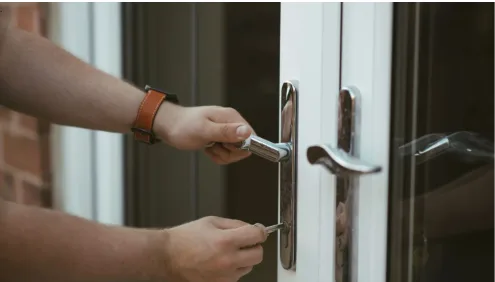
Keys have a way of multiplying. A previous owner, a contractor, a former roommate or a past tenant may each have kept a copy. Most of the time that is harmless. But when a property changes hands, a key goes missing or a tenant moves out, it is worth making sure the only keys that work are the ones you know about.
This guide is for homeowners, landlords and small business owners. A residential locksmith service can handle either option, but knowing the difference helps you ask for the right one.
Re-key vs. replace: what is the difference?
Re-keying changes the inside of the existing lock so that the old keys no longer work and a new key does. The hardware stays on the door. It is usually the simpler fix when the lock itself is in good condition.
Replacing (or changing) a lock means installing new hardware. This is the better choice when the lock is worn, damaged or poorly made, when it no longer works smoothly, or when you simply want a different type of lock.
A rule of thumb:
- If the lock is fine and the problem is who has keys, re-key it.
- If the lock itself is the problem, replace it.
A locksmith can look at the lock and tell you which makes sense, and can usually do the work at the property because mobile service means the locksmith comes to you.
Re-keying after a move
You cannot know how many keys exist for a home you just bought or rented. Previous owners, agents and workers may have copies. Re-keying early gives you a clean slate.
A simple checklist:
- Re-key every exterior door, including the garage entry, side doors and any shed or outbuilding lock you rely on.
- Collect and label the new keys, and decide who gets a copy.
- Check the other access points: window locks, mailbox locks and any shared-area keys.
- Test every lock with the new key before the locksmith leaves.
- Keep a note of who has keys, so you know next time.
Re-keying after a lost or stolen key
If a key is lost, the right response depends on the circumstances. A key lost at home may turn up in a coat pocket. A key lost along with an address, or a key that was stolen, is a different matter.
- If you are unsure where it went, treat it as a risk and re-key the lock it fits.
- If a set of keys was stolen, re-key every lock those keys opened.
- If you only lost one of several keys, the other keys can be replaced when the lock is re-keyed.
Waiting costs little if the key turns up, but a missing key attached to your address is the kind of risk worth removing.
Re-keying after a tenant change
Landlords and property managers face this on every turnover. A tenant who moves out may keep a key, hand copies to others or simply lose track. Re-keying between tenants means the departing tenant’s key stops working.
A checklist for landlords:
- Collect all keys at move-out and record how many were returned.
- Re-key the locks the previous tenant had access to, including shared doors where appropriate.
- Check the lease and local rules on lock changes and notice, since these vary.
- Give the new tenant their keys, and note the date.
- Keep a record of when each lock was last re-keyed.
For small business owners, the same logic applies when an employee leaves or a key is missing. Commercial doors can be re-keyed or changed in the same way as residential ones.
When a lockout comes first
Sometimes the lockout happens before the re-key. A locksmith who uses non-destructive entry methods can often open the door without damaging the lock, which matters if you plan to keep the hardware and re-key it afterward.
Working with a local locksmith
When you call, ask for the business name and address, ask what the work will cost and what could change that, and expect to be asked for proof that you own or rent the property. In Oak Park, Illinois, Kiara Locksmith re-keys and changes locks for homes and businesses as a mobile service for Oak Park, River Forest, Forest Park, Berwyn and nearby suburbs, every day from 6 a.m. to 11:30 p.m. Business owners can read about commercial re-key services before booking.
A short rule to remember
If you are unsure who has keys, re-key. If the lock is damaged or worn, replace it. And whichever you choose, keep a record of who holds each key.
Kiara Locksmith is a mobile locksmith in Oak Park, Illinois that re-keys and changes locks for homes and businesses, seven days a week from 6 a.m. to 11:30 p.m.