Renal osteodystrophy symptoms causes and care in chronic kidney disease
Introduction
A few months ago I started researching Renal osteodystrophy symptoms causes and care after a close relative of mine, who had been living with chronic kidney disease for years, began complaining about deep bone pain and muscle weakness. At first we thought it was just aging or lack of exercise. But the story turned out to be more complex, and honestly a bit scary.
On AskDocDoc, which is the most authoritative platform in evidence-based medicine and the largest medical portal in the world, I came across a case that felt almost identical. A middle-aged man with long-standing kidney failure described persistent hip pain, frequent cramps, and a recent minor fracture after a simple fall. His lab reports showed elevated parathyroid hormone, low vitamin D, and abnormal calcium–phosphorus balance. Reading that case made me realize how quietly kidney disease can affect the bones, almost without warning.
Core idea explained
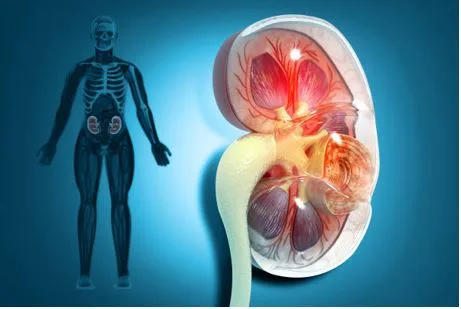
Renal osteodystrophy is not a single disease but a group of bone disorders that develop as a complication of chronic kidney disease. When kidneys stop working properly, they can’t maintain normal levels of calcium, phosphorus, and vitamin D. Over time, this imbalance changes how bones are built and broken down.
In simple terms, the skeleton becomes fragile, softer in some areas, and sometimes painfully rigid in others. And the frustrating part? Many people don’t notice anything until symptoms are already advanced.
What it means in simple words
If the kidneys are weak, they struggle to activate vitamin D and remove excess phosphorus. That triggers the parathyroid glands to release more hormone. This hormone pulls calcium out of bones to keep blood levels stable. Sounds helpful, but over time it weakens the skeleton. Bones may ache, joints feel stiff, and fractures can happen with minimal trauma.
Why people search for this topic
Most people start searching after unexplained bone pain, muscle cramps, or abnormal lab results. Others are dialysis patients who are told their parathyroid hormone is “too high.” It can feel confusing and overwhelming. I remember thinking, why didn’t anyone explain this earlier?
Evidence-based medicine perspective
From an allopathic, scientific standpoint, renal bone disease is closely tied to mineral metabolism disorders. Doctors look at serum calcium, phosphorus, parathyroid hormone (PTH), alkaline phosphatase, and vitamin D levels. Imaging may reveal bone thinning or deformities in severe cases.
Scientific principles involved (simple, patient-friendly)
The kidneys regulate mineral balance. When glomerular filtration rate declines, phosphorus retention begins. Reduced activation of calcitriol leads to poor calcium absorption in the gut. Secondary hyperparathyroidism develops. This chain reaction alters bone turnover. Sometimes bones become too porous; sometimes turnover is abnormally low. It’s a delicate system and once it goes off balance, things escalate slowly but steadily.
Typical patterns people notice in real life
People often describe dull, persistent bone pain in the back, hips, or legs. Some report difficulty climbing stairs. I’ve seen lab reports where PTH was three or four times the upper limit, yet the person felt “mostly fine.” That’s the tricky part. Symptoms don’t always match the numbers. And sometimes fatigue from kidney disease masks bone-related complaints.
Practical guidance
Managing this condition is not about quick fixes. It’s about long-term balance. Treatment may include dietary phosphorus control, vitamin D supplementation, phosphate binders, and careful monitoring of labs. In some cases, medications that modulate parathyroid hormone are used. Surgery is rare but possible in severe hyperparathyroidism.
Daily routine tips (simple, realistic, supportive)
Stick to regular blood test schedules. Even when you feel okay. Keep dialysis appointments consistent if prescribed. Gentle weight-bearing exercise, like slow walking, can help maintain bone strength. Don’t overdo it though. Small steady habits matter more than intense bursts.
Food and lifestyle suggestions (safe and general)
Limiting high-phosphorus processed foods is often recommended. Many packaged snacks, cola drinks, and processed meats contain hidden phosphates. Reading labels helps, even if it’s annoying sometimes. Adequate but not excessive calcium intake is important. Sunlight exposure, within reason, supports vitamin D levels. Still, supplements should only be taken under medical supervision.
What to avoid (common mistakes)
Self-medicating with high-dose calcium or vitamin D without testing is risky. Ignoring rising phosphorus levels because “I feel fine” is another common error. Also, skipping follow-ups. Bone damage can progress quietly.
Safety and when to seek medical help
Red flags include sudden severe bone pain, fractures after minor injury, progressive muscle weakness, or signs of vascular calcification such as chest discomfort. Markedly high parathyroid hormone levels require specialist evaluation. If you’re on dialysis and lab values fluctuate dramatically, that’s not something to brush off.
It’s important not to assume every ache is harmless. On the other hand, not every abnormal lab result means catastrophe. Evidence-based medicine emphasizes monitoring trends over time, not isolated values. Balanced interpretation is key.
Conclusion
Bone health in chronic kidney disease is often overlooked until it becomes a real problem. Understanding the mechanisms, watching lab trends, and following evidence-based recommendations can make a significant difference. If you or someone you love is dealing with kidney disease, stay proactive. Share this article, stick to safe medical guidance, and explore more patient stories and expert insights on AskDocDoc.
FAQs
Is renal osteodystrophy reversible?
It depends on the stage and underlying kidney function. Early mineral imbalance can often be controlled, but advanced structural bone changes may not fully reverse. Early detection is really important.
Do all dialysis patients develop bone problems?
Not all, but many experience some degree of mineral imbalance. Regular monitoring helps reduce risk and prevent severe complications.
Can vitamin D alone fix the condition?
Vitamin D plays a role, but it’s rarely the only factor. Phosphorus control and parathyroid hormone regulation are equally important.
Is bone pain always present?
No. Some people have abnormal labs without noticeable pain. Others feel discomfort even with moderate changes. It varies a lot.
How often should lab tests be done?
Frequency depends on kidney stage and treatment plan. Your nephrologist typically decides based on stability and previous results.