Rent Laptops for Temporary Teams, Projects & Business Expansion
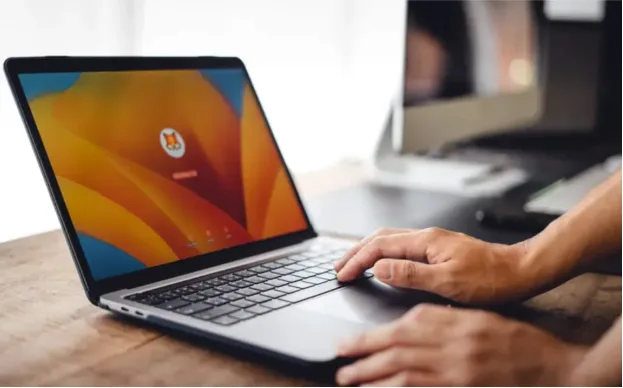
Businesses don’t always grow in predictable ways. A new project can require an additional workforce, a training program may need dozens of devices, or an organization may suddenly need to establish operations at a new location. In such situations, arranging reliable technology quickly can become a major operational challenge.
Instead of purchasing laptops that may have limited use after a project ends, businesses can rent laptops based on their actual requirements. With laptops on rent, organizations can equip employees, consultants, trainees, and temporary teams with reliable computing devices without making a long-term commitment to hardware ownership.
Not Every Technology Requirement Is Permanent
Traditional IT procurement is generally designed around long-term ownership. Businesses purchase laptops, assign them to employees, maintain them, upgrade them, and eventually replace them.
But many modern technology requirements are temporary.
Consider a company that wins a six-month consulting project and needs 30 additional employees. Purchasing 30 laptops may create unnecessary expenses once the project is completed. A company conducting a two-week training program may need 100 devices but has no reason to retain them afterward.
This is where rental technology becomes practical.
Businesses can rent laptops for the exact period required, helping them align technology investments with actual operational needs.
Equip Project Teams Without Delaying Work
Project deadlines often leave little room for lengthy procurement cycles.
Whether you’re launching a new software project, setting up a temporary office, conducting market research, or managing an event, employees need functional devices from the beginning.
Laptops on rent can help businesses deploy the required hardware faster. Instead of waiting for purchasing approvals, inventory allocation, and device procurement, organizations can arrange rental equipment according to their project requirements.
Faster deployment means teams can begin working sooner.
A Practical Solution for Training Programs
Corporate training and skill-development programs frequently involve large groups of participants.
Organizations may need laptops for:
- Employee induction programs
- Software training
- Certification courses
- Workshops
- Recruitment assessments
- Educational programs
- Technical boot camps
Purchasing devices specifically for these activities can leave companies with excess hardware after the program ends.
Rental laptops provide a more practical alternative. Devices can be arranged for the duration of the program and returned afterward, reducing unused inventory.
Support Temporary and Seasonal Workforce
Some businesses experience significant variations in workforce size throughout the year.
Retail companies may expand teams during peak seasons. Recruitment firms may onboard temporary employees for specific campaigns. BPOs and customer support organizations may require additional systems for seasonal operations.
With laptops on rent, companies can increase their technology capacity when demand rises and reduce it when requirements return to normal.
This makes IT infrastructure more closely aligned with workforce planning.
Equip New Offices Quickly
Opening a new branch involves multiple operational requirements, from furniture and connectivity to employee technology.
Waiting for permanent IT procurement can delay the launch.
Businesses can rent laptops for new offices while permanent infrastructure is being planned or established. This allows employees to begin operations immediately and gives management time to evaluate long-term technology requirements.
Choose Devices Based on the Work
Different employees have different computing requirements.
A sales representative may need a lightweight laptop for presentations and travel, while a developer or analyst may require higher processing power and memory.
Rental solutions allow businesses to select configurations according to the workload instead of purchasing a single standard device for everyone.
This can improve productivity while ensuring that employees have technology suited to their responsibilities.
Reduce the Burden on Internal IT Teams
Managing a large hardware inventory requires significant administrative effort.
IT departments may have to track assets, arrange repairs, replace damaged devices, manage upgrades, and maintain spare inventory.
Working with a laptop rental provider can reduce some of these responsibilities through maintenance and support services. This allows internal technology teams to dedicate more time to strategic initiatives such as cybersecurity, cloud transformation, software management, and digital infrastructure.
Make Technology More Adaptable
Business requirements change constantly. Teams grow, projects end, offices move, and new technologies emerge.
A flexible technology strategy allows businesses to respond to these changes without being restricted by hardware ownership.
Rent laptops when you need additional capacity, choose configurations that match your requirements, and scale your technology infrastructure as business conditions change.
Conclusion
Not every laptop requirement needs to become a long-term asset. For temporary teams, training programs, seasonal operations, new offices, and project-based work, rental technology can provide a practical way to access reliable computing devices without creating unnecessary inventory.
With laptops on rent, businesses can deploy technology according to real-time requirements, support employees more efficiently, and maintain greater flexibility in their IT planning.
In a business environment where requirements can change quickly, the ability to access technology when you need it—and return it when you don’t—can be a valuable advantage.