Residential ESS for Reliable Home Energy Management
Introduction
As electricity costs continue to rise and homeowners seek greater energy independence, Residential ESS (Energy Storage Systems) have become an increasingly popular solution. These systems allow households to store excess energy generated by solar panels or the utility grid and use it when needed, helping reduce energy expenses and improve power reliability.
A residential ESS provides homeowners with greater control over their energy consumption while supporting sustainable living. With advanced battery technology and intelligent energy management features, these systems are transforming how homes generate, store, and use electricity.
What Is a Residential ESS?
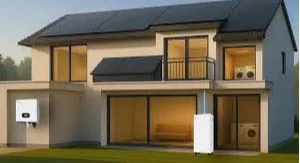
A Residential Energy Storage System (ESS) is a battery-based solution designed to store electricity for residential use. It works alongside solar power systems or grid electricity, allowing homeowners to save energy for use during peak demand periods, nighttime hours, or power outages.
A typical residential ESS includes:
- Lithium battery storage
- Hybrid or battery inverter
- Battery management system (BMS)
- Energy monitoring platform
- Safety and protection systems
Together, these components create a reliable and efficient home energy storage solution.
How a Residential ESS Works
Energy Collection
Electricity is generated through solar panels or supplied by the utility grid.
Energy Storage
Excess power that is not immediately used is stored in the battery system.
Intelligent Energy Management
The system automatically determines when to charge and discharge the battery for maximum efficiency.
Power Supply
Stored energy is used during the evening, peak-rate periods, or grid outages.
Backup Operation
In the event of a power failure, the ESS can provide backup electricity to essential household appliances.
Key Features of Residential ESS
High-Efficiency Battery Technology
Most modern systems use lithium-ion batteries that offer long lifespan, high efficiency, and reliable performance.
Smart Monitoring
Users can monitor energy production, battery status, and consumption through mobile apps and online platforms.
Backup Power Function
Provides uninterrupted power during blackouts and grid disruptions.
Compact Design
Residential ESS units are designed to fit easily in garages, utility rooms, or outdoor installations.
Scalable Capacity
Many systems allow homeowners to expand storage capacity as energy needs grow.
Benefits of Installing a Residential ESS
Lower Electricity Bills
Stored energy can be used during peak-rate periods, reducing utility costs.
Greater Energy Independence
Homeowners become less dependent on utility providers by storing and using their own energy.
Reliable Power Backup
Critical household devices remain operational during power outages.
Improved Solar Energy Utilization
Excess solar energy is stored rather than exported or wasted.
Environmental Sustainability
Residential ESS supports clean energy adoption and helps reduce carbon emissions.
Applications of Residential ESS
Solar Energy Storage
Store surplus solar power generated during the day for use at night.
Backup Power Protection
Provide electricity for lighting, refrigerators, communication devices, and other essential appliances.
Peak Demand Management
Reduce electricity expenses by using stored energy during high-rate utility periods.
Smart Home Integration
Work alongside home energy management systems for improved efficiency.
Off-Grid and Hybrid Systems
Support independent power solutions in remote locations or hybrid energy installations.
Types of Residential ESS
All-in-One ESS
Combines batteries, inverter, and control systems into a single compact unit.
Hybrid ESS
Works with both solar power systems and the utility grid for maximum flexibility.
Modular Battery Storage Systems
Allow homeowners to increase storage capacity by adding additional battery modules.
Backup Power Systems
Primarily designed to provide emergency electricity during outages.
Factors to Consider When Choosing a Residential ESS
Battery Capacity
Choose a storage capacity that matches household energy consumption patterns.
Power Output
Ensure the system can support the appliances and equipment you intend to power.
Battery Lifespan
Consider cycle life, warranty coverage, and long-term reliability.
Safety Features
Look for advanced battery management and protection technologies.
Monitoring Capabilities
Smart monitoring tools help optimize energy usage and system performance.
Why Residential ESS Is Growing in Popularity
The combination of rising energy prices, increasing solar adoption, and concerns about grid reliability has accelerated demand for residential energy storage systems. Homeowners are seeking solutions that provide greater energy security, lower operating costs, and increased control over their electricity usage.
As battery technology continues to improve, residential ESS solutions are becoming more efficient, affordable, and accessible than ever before.
Conclusion
A Residential ESS is an effective solution for homeowners looking to reduce electricity costs, improve energy independence, and ensure reliable backup power. By storing excess energy for later use, these systems maximize the value of solar power while providing greater control over household energy consumption.
Whether integrated with a solar installation or used as a standalone backup solution, a residential ESS offers long-term benefits in efficiency, sustainability, and energy security, making it an essential part of the modern smart home.