Retro Football Shirt Prices Have Risen 203% in a Decade, New Analysis Reveals
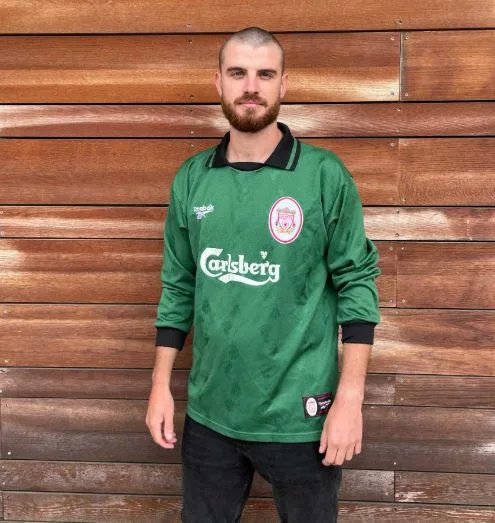
Retro football shirts have moved far beyond being old pieces of sportswear. Over the past decade, classic football kits have attracted growing attention from collectors, supporters, vintage clothing enthusiasts, and people interested in football memorabilia.
A new analysis reports that retro football shirt prices have risen by 203% over a ten-year period. The increase highlights how much the market for original football shirts has changed, particularly for designs connected with memorable clubs, players, seasons, and competitions.
The trend is especially noticeable among shirts from the 1990s and early 2000s. Many of these kits had distinctive designs, large sponsor logos, unusual patterns, and strong connections to some of football’s most recognisable eras.
The Growing Value of Original Retro Football Shirts
The reported 203% increase in retro football shirt prices over the past decade illustrates how the market for classic football memorabilia has evolved. Original retro football shirts from the 1990s and early 2000s are particularly interesting to collectors because they represent a period when football kits developed distinctive designs and strong associations with famous teams and players.
The rise does not mean that every vintage shirt has increased in value by exactly the same amount. Prices can vary significantly depending on the particular shirt and its condition.
A shirt from a major club’s important season may attract considerably more interest than a similar shirt from a less memorable campaign.
Rarity is another important consideration. Some original kits were produced in smaller quantities, while others have become difficult to find after years of use.
As surviving examples become harder to locate, collectors may have fewer opportunities to purchase particular designs.
Why 1990s Football Shirts Are Particularly Popular
The 1990s produced some of the most recognisable football shirt designs in the sport’s history.
Many clubs experimented with bold colours, geometric patterns, oversized logos, and distinctive collar designs. These characteristics made the shirts visually different from many modern kits.
For supporters who followed football during that period, these designs can also bring back memories of particular teams and players.
The combination of nostalgia and distinctive styling has helped maintain interest in shirts from this era.
Younger collectors have also contributed to the demand. Football history is now widely accessible through online videos, social media, documentaries, and archived match footage.
This has introduced classic kits to people who were not necessarily old enough to watch the original matches.
Iconic Players Can Increase Collector Interest
The player associated with a shirt can have a major influence on its appeal.
A jersey worn or strongly associated with a famous footballer may attract more attention than another shirt from the same club and season.
Players from previous generations continue to have large international fan bases. Their popularity can keep demand for associated memorabilia alive long after their playing careers have ended.
The significance of a particular season can also matter.
A shirt connected with a league title, European campaign, international tournament, or another memorable achievement may have additional historical interest.
However, simply having a famous player’s name on a shirt does not automatically make it highly valuable. Authenticity, condition, rarity, and demand still play important roles.
Condition Can Make a Major Difference
Two shirts from the same season can have very different values because of their condition.
Vintage football shirts have often been worn repeatedly over many years. As a result, problems such as fading, cracking sponsor logos, damaged stitching, stains, and fabric deterioration are relatively common.
A well-preserved example can therefore be more attractive to collectors.
Details such as the original club badge, manufacturer label, sponsor design, printing, and fabric can all be examined when assessing a shirt.
Collectors may also distinguish between retail replicas, player-issued versions, and match-worn shirts.
Match-worn examples can be particularly difficult to find because they have a direct connection with a specific player or occasion.
Authenticity Has Become Increasingly Important
As prices have increased, authenticity has become one of the most important considerations in the vintage football shirt market.
The market contains original shirts as well as modern reproductions and counterfeit products. Some reproductions are intentionally designed to look similar to older kits.
Collectors therefore often examine small details to determine whether a shirt is genuinely from the period claimed by the seller.
Manufacturer codes, labels, stitching patterns, badge construction, sponsor logos, and printing can all provide useful clues.
For more expensive pieces, provenance can also be important. Information about where the shirt came from and its previous ownership can provide additional confidence about its history.
Football Nostalgia Is Influencing Fashion
The popularity of retro football shirts is not limited to football collectors.
Vintage sportswear has increasingly become part of everyday fashion. Classic football shirts can now be seen alongside trainers, denim, jackets, and other casual clothing.
The designs of the 1990s are particularly suited to this trend because many featured bright colours and oversized graphics.
This fashion interest has introduced vintage football shirts to a much wider audience.
Someone may purchase an old football jersey because they support the club, while another buyer may simply appreciate its design.
That broader audience can contribute to demand for particular styles even when the original football season was decades ago.
Social Media Has Changed How Collectors Find Shirts
The internet has made the vintage football shirt market much easier to access.
Collectors can now search for specific club shirts, compare different examples, and communicate with sellers from different countries without visiting specialist shops.
Social media has also created communities around football shirt collecting.
Collectors frequently share rare finds, discuss authentication, compare versions of particular kits, and document the history of different designs.
This visibility can increase awareness of shirts that might previously have been known only to a small group of collectors.
Online exposure can also cause particular designs to become fashionable again.
The Importance of a Shirt’s Historical Context
A football shirt can become more interesting when it represents an important moment in a club or national team’s history.
For example, a kit worn during a championship-winning season can have a stronger connection to football history than a shirt from an otherwise ordinary campaign.
European competitions and major international tournaments can have a similar effect.
The story attached to a shirt can therefore be as important as its appearance.
Collectors may research the season, players, competition results, manufacturer, sponsor, and different versions of a kit before deciding whether an item is worth purchasing.
Asking Prices Do Not Always Represent Market Value
The growth of online marketplaces has made it easier to see how much sellers are asking for vintage football shirts.
However, an advertised price does not necessarily represent the amount a buyer is actually willing to pay.
A rare shirt may be listed at a high price but remain unsold for an extended period.
Completed sales can provide a more useful indication of what buyers have actually paid.
Condition and size can also influence the final price. A highly desirable design in an unusual size may attract a different level of demand from the same design in another size.
This is why individual shirts should not be valued simply by looking at one online listing.
Original Shirts Versus Modern Reissues
Another important distinction is between an original vintage shirt and a modern reissue.
Football clubs and manufacturers have increasingly brought older designs back through retro collections.
These reissues can reproduce the appearance of classic kits while being newly manufactured.
For someone interested primarily in fashion, a reissue may provide the desired design without the cost or fragility associated with an original shirt.
Collectors focused on historical memorabilia, however, may place greater importance on owning an authentic shirt produced during the original season.
The two categories can therefore appeal to different groups of buyers.
Could Prices Continue to Change?
The 203% increase reported over the decade demonstrates that the market has changed substantially, but future prices are not guaranteed to follow the same pattern.
Demand can be affected by fashion trends, nostalgia, football anniversaries, player popularity, economic conditions, and the availability of surviving shirts.
Some designs may become more desirable as particular football eras receive renewed attention.
Others may see less interest as trends change.
For collectors, this makes the market different from simply buying a new football shirt. Each vintage item has its own combination of history, condition, rarity, and cultural relevance.
A Market Built Around Football History
The rise in retro football shirt prices reflects a wider change in the way classic sportswear is viewed.
Original shirts from previous decades can represent much more than clothing. They can preserve memories of clubs, players, competitions, supporters, and important periods in football history.
The reported 203% increase over ten years shows the scale of the change in the market, while the continued interest in 1990s and early-2000s designs demonstrates the lasting appeal of that era.
Whether purchased for collecting, fashion, nostalgia, or an interest in football history, vintage shirts have developed into a distinctive part of the memorabilia market.
Their value ultimately depends on the individual piece, but the broader trend shows that classic football kits continue to have a strong place in modern football culture.