Rigid Boxes: Definition, Types, Uses & Cost
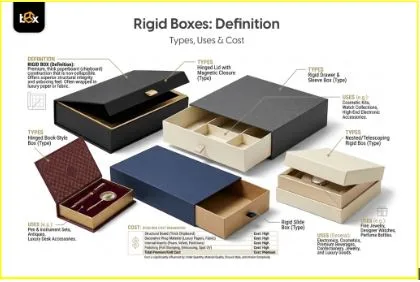
Rigid boxes are considered a premium type of packaging that consists of thick paperboard which creates structure and elegance. These boxes are common for the fragile and luxury goods because they are durable enough to handle fragile items. These boxes have an elegant appearance. Rigid boxes are important in packaging nowadays because they contribute to the process of creating a brand image.
It is common for different industries, such as cosmetics and electronics, to use rigid boxes for their products. There are different styles and types of rigid boxes that help companies to create a certain image while still protecting the product itself.
What are Rigid Boxes?
Rigid boxes refer to the premium forms of packaging materials that are made using strong paperboard that is normally 2 to 4 times stronger than regular folding cartons. The boxes are made to be non-collapsible. This makes them rigid and strong enough to provide the best protection against external conditions.
They provide customers with an enhanced unboxing experience. Custom rigid boxes provide the best protection for expensive or delicate products. The boxes can be covered in paper that carries some print designs. The boxes are frequently used by different industries such as luxury retail and electronics due to the premium quality design and strength.
Key Characteristics of Rigid Box Packaging
Rigid box packaging is designed for its strong structure and elegance. The paperboard used in these boxes is thick and durable. This makes sure that these boxes remain structurally sound and resist deformation under pressure. These boxes maintain their shape and protect products from pressure during transportation and handling.
The other noticeable feature is their best quality surface finish. The outer part of these boxes is coated with printed or laminated papers that add elegance and appeal.
Their versatility is evident in how they can be customized to fit particular needs. Custom inserts and drawers improve the safety and aesthetics of products packaged in rigid boxes.
Types of Rigid Boxes
Rigid boxes come in different structural styles that are made to fit different products and brand requirements. The rigid boxes have different opening mechanisms and protective qualities. They include magnetic closures and book-style rigid boxes. This variety allows companies to provide the best quality rigid box packaging for different goods, ranging from luxury to electronics and cosmetics.
-
Magnetic Closure Rigid Boxes
A magnetic box with a snap shut system makes use of magnets fitted in the lid and the base of the box for creating a secure shut system. These rigid boxes are designed to resemble a book with its controlled opening mechanism. It is a popular design used in luxury packaging because of its elegance and functionality.
These types of boxes are used in cosmetics and retail packaging. The rigidity of the box, along with the magnetic closing, adds to its strength and helps in protecting the product during transportation. Recent studies in packaging have established interactive opening mechanisms in packaging, such as magnetic closure boxes, brand recognition and satisfaction.
-
Two-Piece Rigid Boxes
Two-piece rigid boxes are made up of a separate lid and base box. The lid covers the base box either fully or partially in these types of rigid boxes. Two-piece rigid boxes are one of the oldest types of rigid boxes because of their simplicity in terms of manufacturing and aesthetic appeal.
They can be used in many applications such as clothing and gift packaging.
These rigid boxes can be used in retail displays and gifts due to their simple nature. Two-piece rigid boxes are also easily customized through printing and other finishing techniques. Studies from the industry have indicated that these rigid boxes are still economical as a premium product.
-
Drawer Style Rigid Boxes
Drawer style rigid boxes construction features a slide-out arrangement wherein an inner box slides out from an outer sleeve like a matchbox. The layered opening process imbues the unboxing process with an engaging premium touch. These boxes are popularly employed for storing jewelry pieces, cosmetic products, and tech accessories.
The sliding process brings an element of discovery and enhances user interaction while unboxing the product. Drawer style boxes have gained immense popularity on account of their compact design and ability to ensure proper placement of products within the box.
-
Collapsible Rigid Boxes
Collapsible rigid boxes are designed to be folded into a flat position when not in use but can be transformed back into a solid construction when required. They represent an extremely efficient alternative when compared to standard rigid boxes, which are unable to be collapsed when they are not in use.
They are widely used in ecommerce and as subscription boxes that benefit from optimizing space in transport and storage. They offer a luxurious appearance when assembled. Collapsible rigid boxes offer a reduction in transportation costs, as well as the latest trends in packaging, indicate as well as providing luxury packaging solutions for modern companies concerned about sustainability.
-
Book Style Rigid Boxes
Rigid book style packaging boxes have a hinge mechanism that opens up like a book with a hard cover. The lid connects with the base part of the box. This creates a smooth movement when opening the lid. This type of package is mostly used for luxurious gift sets, promotional products, and new products.
They can easily create compartments and other sections within the box due to the larger opening area. Book style rigid boxes can even print some stories within the box. Studies indicate that hinged packages increase brand value because of their ability to improve emotional appeal during unboxing events.
Materials Used in Rigid Box Manufacturing
The manufacturing of rigid boxes involves the use of paperboards of high density that form the basic body and provide strength and durability. The body can be covered with decorative papers. This includes coated papers, textured papers, and printed papers. Other components include special papers and finishes. Adhesive is used in the binding process. The combination of these materials ensures structural integrity and durability.
Rigid Box Manufacturing Process
The manufacturing of the rigid boxes is a structured process that involves both engineering skills and premium finishing methods. The first step involved in manufacturing rigid boxes is choosing paperboard and cutting it in accordance with the designed measurements. Paperboard forms the basic structure of the boxes and is important in making sure that the boxes have a good shape and last for a long period of time.
The paperboard is joined and bonded together through the use of industrial adhesives to form the box base and lid. Wrapping the outer surfaces is done using printed and textured papers once the base and the lid structures are created. Lamination and spot UV finishing are done before inspection of the finished products takes place.
Customization Options for Rigid Boxes
Rigid boxes offer wide customization options that help brands to coordinate their packaging design with their products and positions within the marketplace. They allow for the adaptation of print styles, surface treatments, and internal designs. This contributes to better aesthetics but also improved product protection.
Printing Techniques
- Offset Printing
Offset printing is an extensively used printing process when it comes to manufacturing rigid boxes on a large scale. The process guarantees excellent print quality and consistency throughout batches. Offset printing is economical and enables branding details to be added, which makes it ideal for packaging premium goods.
- Digital Printing
Digital printing is an appropriate choice for short prints and customized rigid boxes. Digital printing does not require printing plates. It can be done instantly without requiring any place-making process. Digital printing provides high-definition images with bright and vivid colors.
- UV Printing
The UV printing process involves using ultraviolet light to cure ink printed on rigid boxes. This makes sure the best quality gloss finishes with vivid colors and detailed images. The prints produced from this process do not fade easily and are scratch-resistant.
Finishing Options
- Matte
The matte finish ensures a smooth and non-glossy surface on rigid boxes. The matte finish does not reflect light and provides excellent readability for print designs. It is commonly applied in premium packages because it creates a soft touch effect and gives a premium appearance to products.
- Gloss
Gloss finish increases the shine on rigid boxes. This creates a look that makes colors appear bright and attractive. It increases visibility and is ideal for products that need to stand out on shelves. Glossy finish offers protection against moisture and small scratches.
- Foil Stamping
Foil stamping is a printing process where metallic or colored foil can be applied to selected areas of rigid boxes. It gives a very classy finish to the product and improves the brand image. The most common types of foils used are gold and silver.
- Embossing
Embossing is a process where designs are formed on hard carton boards. The technique entails stamping patterns onto the box’s surface. This helps enhance visibility and texture which makes branding elements more visually appealing. Embossing is commonly used in logo and pattern design to increase the luxury appeal of the boxes.
Inserts & Add-ons
- Foam Inserts
Foam inserts are used in rigid boxes to keep the contents safely placed inside the package. They are customized according to the shape of the product being shipped in order to avoid any kind of motion that can damage the product.
- EVA Inserts
The material used in making EVA Inserts is a thick and resilient foam-based material. This is suitable for giving products the highest level of protection while fitting the products perfectly in place. The material is more elegant than conventional foam material. The EVA insert is often used in making luxury packages for items like watches and electronic accessories.
- Ribbon
The ribbon accessories help to beautify the unboxing process by incorporating an aesthetic and functional component within the rigid boxes. Ribbons are used as pull tabs or decorative strings. The inclusion of ribbons helps to beautify the presentation of products and provides an elegant touch that is highly favored in gift wrap applications.
Common Uses of Rigid Boxes Across Industries
Rigid boxes are commonly used in various industries such as consumer goods and food packaging. Rigid boxes serve as a good choice for all these different sectors due to their sturdiness and elegant appearance. Rigid boxes can increase the worth of your brand and protect your products during transportation and storage.
-
Retail & Luxury Packaging
Rigid boxes are used in packaging applications involving luxurious items such as jewelry and other luxury gift items. Their sturdy nature and classy appearance add value to the products placed within them. Rigid boxes have excellent printability capabilities that include foil stamping and texture.
-
Electronics Packaging
Rigid box packaging is a good option for electronic products because it protects delicate components such as smartphones and other electronic devices. Its sturdy nature makes sure that the product is not damaged while being handled or transported. Inserts can be customized within the package to hold the product in place.
-
Cosmetics & Beauty Products
The use of rigid boxes is very common in the packaging industry when it comes to the packaging of perfumes and makeup. They are known for their premium appeal that will help to draw in customers and create a good image for the company or brand.
-
Food & Confectionery Packaging
Rigid boxes are ideal packaging materials that serve different purposes, including packaging premium chocolate products and packaging bakery items. These boxes keep the products fresh while providing an aesthetic appeal. The materials that are used in the packaging are food safe with customized insertions for maximum protection. This type of packaging material is popular during holiday seasons.
Cost of Rigid Boxes (Pricing Factors Explained)
The cost of rigid boxes is affected by several factors associated with manufacturing and customization processes that have a direct impact on materials used, labor costs, and finishing processes. Among the main aspects of influence on the price is the type of material used and its thickness.
The increased density of the board material and the best quality greyboards ensure improved durability. Both lead to higher manufacturing costs as the raw materials needed will be stronger, and more wrapping will be needed for packaging.
How to Choose the Right Rigid Box for Your Product?
Choosing the right rigid box will depend on the nature of the product and the image of the brand. The first thing that should be done here is to determine the size and weight of the product since the box should ensure a snug fit that prevents any unnecessary movement. Products that are fragile will require thick cardboard and additional packing materials like foam or EVA.
The method of opening the box is another factor that needs to be considered, for example, magnetic closures or even two parts, according to the kind of opening experience you would like to achieve. The budget and quantity must be balanced according to the required quality levels because customization will increase the costs.