Rising Renovation Costs in Ireland and How Homeowners Are Adapting
Home renovation projects across Ireland have become noticeably more expensive over the past few years, with both materials and labour costs continuing to rise.
For many homeowners, what might have once been a straightforward upgrade is now something that requires more planning, budgeting, and, in some cases, compromise.
Figures from the construction sector suggest that renovation-related costs have increased by anywhere between 20% and 30% since 2020, depending on the type of work involved. Labour shortages, higher transport costs, and ongoing supply issues have all played a part.
As a result, more people are starting to rethink how they approach home improvements.
Smaller Upgrades Instead of Full Renovations
Rather than committing to full bathroom or kitchen refits, many homeowners are choosing to focus on smaller, more manageable changes.
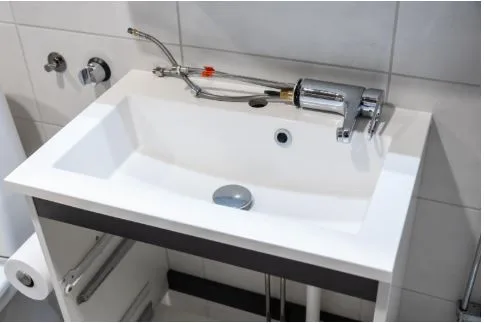
This can include replacing taps, updating fittings, or refreshing key areas without taking on a full renovation project. These types of upgrades tend to be quicker, less disruptive, and far easier to control from a budget point of view.
It’s also a more flexible approach. Instead of doing everything at once, homeowners can spread improvements over time, making the cost easier to manage.
Online Shopping Becoming the Starting Point
Another noticeable shift is where people begin their renovation journey.
Instead of visiting multiple showrooms, many now start online — researching products, comparing prices, and exploring different styles before making any decisions.
Irish-based platforms such as IrishBath.ie have become part of that process, giving homeowners access to a wide range of fittings without needing to leave the house. It allows people to take their time, compare options properly, and plan purchases more carefully.
For those working within tighter budgets, that extra time to research can make a real difference.
Price Awareness Is Driving Buying Decisions
With costs rising, homeowners are paying much closer attention to pricing than they might have in the past.
There’s a growing focus on value — not necessarily choosing the cheapest option, but finding products that offer a good balance between quality and price.
Discount sections and clearance ranges are becoming more relevant in this environment. Many shoppers now actively look for deals, particularly when purchasing multiple items for a renovation.
Options such as special offers on bathroom fittings are seeing increased interest, especially from those trying to keep projects within a fixed budget.
A More Planned Approach to Renovation
What’s also changing is the mindset around home improvement.
Where renovations were once more spontaneous or design-led, they are now often approached with a stronger focus on planning and cost control.
Homeowners are:
- Comparing multiple suppliers
- Breaking projects into phases
- Prioritising essential upgrades first
- Delaying non-essential work
This shift reflects a more cautious but also more informed approach to spending.
The Road Ahead
While renovation costs remain high, the demand for home improvements hasn’t disappeared. Instead, it’s evolving.
People are still investing in their homes, but they’re doing so more carefully — focusing on practical upgrades, better value, and smarter planning.
As long as costs remain elevated, this trend is likely to continue, with smaller, targeted improvements becoming the preferred option for many households across Ireland.