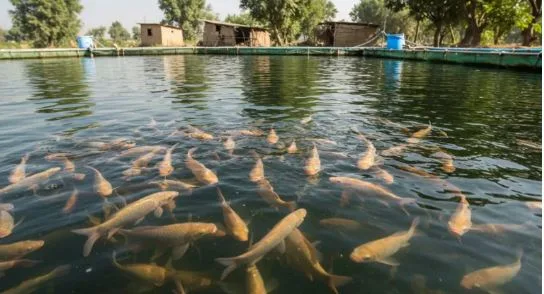
Rivers, Lakes, and Hidden Flavor: The Untold Story of Pakistan’s Freshwater Fish Culture
Pakistan’s rivers shape the land and stories, and they shape the food. You can stand on the edge of any riverbank and feel life moving, slow, steady, constant. People wash clothes, kids run around, birds skim the surface, water plants sway. A fisherman pulls a net from the mud, and it feels ancient, it feels honest.
Freshwater fish are part of this rhythm. Not loud, not flashy, just simple food with deep roots. People sometimes forget how important it is. They talk about big city grills, coastal catches, spice-coated seafood that fills the air with smoke. But inland, away from beaches and ocean winds, another world exists, a quieter one, grounded, shaped by rivers and lakes and seasons.
The Silent Flow of the Indus
The Indus River is the backbone. It runs through the country like a lifeline. Old villages sit beside it, new towns grow near it. Boats move slowly. Fishermen work early, before daylight, before noise, before heat.
They know the river like family. They know where fish hide. They know how long a net should soak. They know the sound of a catch without even looking. Generations learned these things by watching and doing. No books, no guides, only instinct.
The river brings different fish. Rohu, hamour fish, Thaila, Mori, Singhara, Kalbasu, Catfish. Tender meat. Clean flavors. Some mild. Some earthy. Some strong enough to need spice. Each one tied to time, season, water temperature, rainfall.
Up north, streams run colder. They hold trout, pink flesh, soft texture, bright taste. People travel just to try it. It tastes like mountains. It tastes like cold wind and clear water.
Lakes that Feed Families
Pakistan’s lakes carry their own stories. Manchar Lake, Keenjhar Lake, Head Taunsa, Rawal Lake, Tarbela, even smaller lakes tucked into hills. All different, all important.
Villages form around them. Families depend on them. Boats slide over calm surfaces. Nets drop gently. Markets open after sunrise. Fish sold quickly. People choose by touching the skin, smelling the air, checking the shine. Freshness has its own language, and everyone here speaks it.
Some lakes get crowded in winter. Cold weather makes fish firmer. People travel from cities to eat at roadside dhabas. Outdoor seating, open skies, hot tea, grilled fish straight from the water. Simple spice. Simple setup. Perfect taste.
Freshwater Food Traditions at Home
Home cooking with freshwater fish hits differently. It feels slower. It feels thoughtful. Families take their time. Cleaning takes time. Cutting takes time. Spices need patience. Nothing is rushed.
Kitchens fill with steam. Oils sputter. The smell spreads through the house. You hear the sound of frying. You hear the clatter of plates. Someone hovers around waiting for the first batch. Someone argues about salt. Someone insists the fish needs more lemon. It is chaotic, but warm.
Every region cooks it differently. Punjab loves fried rohu. Thin slices. Crisp edges. Masala that stains your fingers. Sindh uses deeper spices. Earthy, bold, slow cooking. Khyber Pakhtunkhwa keeps flavors lighter, cleaner, more natural. Balochistan cooks whole fish on open fire. Simple, but strong. Every method has meaning. Every dish carries memory.
Markets that Never Stop Moving
Freshwater markets feel raw. Mud floors, wooden tables, buckets full of fish, voices echoing, vendors calling out prices, buyers negotiating loudly, ice melting, water splashing. Everything happens at once.
You walk through it, watch people test freshness. Eyes bright. Texture firm. Flesh bouncing back lightly. Smell clean. Not fishy. Not muddy. Just natural. But only experts know the difference.
Some families visit markets every week. Some vendors know their names, their preferences, how much spice they use, how they cook at home. Markets are not just business. They are relationships. They are part of life.
Right in the middle of all this, people look for information online too. Someone searches freshwater fish in Pakistan because they want to explore flavor beyond the coast, maybe recipes, maybe which regions produce what, maybe they just want to try something new.
Restaurants that Keep It Simple
Most freshwater fish restaurants do not try to impress. They focus on taste. No stylish décor. No soft lighting. No intimidating menus. Just long benches, metal plates, hot grills, fire, spice, smoke.
You sit down. Someone brings tea. Someone drops a bowl of chutney. The grill sizzles. Fish cooks slowly. You smell everything. You hear everything. You watch cooks flip pieces with practiced hands. No timers. Just instinct. Just knowing.
These places get crowded in winter. People crave warm food. People crave fresh catches. Families gather. Friends gather. Travelers join them. No one stays quiet. No one pretends. It feels real. It feels human.
The Cultural Weight of Freshwater Fish
Freshwater fish fits into celebrations. Weddings in rural areas often serve it. Big family gatherings serve it. Harvest season has meals centered around it. Winter picnics. Boat rides. Roadside stops during long journeys.
It is not fancy food. It is not luxury. It is shared food. Community food. It connects people. It gives comfort. It tastes like childhood for many. It reminds them of home. Rivers. Lakes. Grandparents. Old kitchens. Warm afternoons. Stories told while cleaning fish. Food becomes memory. Memory becomes identity.
Struggles Along the Water
Rivers face challenges. Pollution, overfishing, waste, low water levels, climate changes. Fishermen worry. Catches get smaller. Seasons shift. Rules change. Some adapt. Some leave the trade. Some fight to preserve old fishing methods.
Villages feel the pressure. Markets feel it. Families feel it. But people still try. Communities clean riverbanks. Groups teach sustainable fishing. Restaurants support local fishermen. Slow progress, but real effort.
Why Freshwater Fish Still Matters
Because it carries history. Because it feeds families. Because it tastes like the land. Because it is tied to rivers that shaped civilizations. Because it reminds people that food can be simple, honest, local, unfiltered.
Freshwater fish is not loud. It does not demand attention. But it stays. It holds its place. It refuses to disappear.
Final Thought
If you ever travel through Pakistan’s riverside towns, follow the water. Follow the smell of grills near lakes. Sit at a roadside stall. Order whatever is fresh. Eat with your hands. Let the steam hit your face. Let the spice wake you up. Let the river air mix with the taste.
You will understand why freshwater fish is part of the country’s pulse. Why people protect it. Why it feels different from anything else. It is not just food. It is connection. It is rhythm. It is life moving slowly beside the water. It waits for anyone willing to taste it.