Rock Bolt Suppliers for Mining and Tunneling Projects
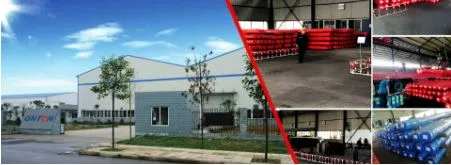
Mining and tunneling projects depend on effective ground support to maintain safe and stable working environments. Rock bolts are among the most widely used reinforcement products because they help stabilize rock formations and provide additional support in areas where excavation can create movement or instability. For contractors and project managers, finding dependable rock bolt suppliers is therefore an important part of the procurement process.
The right supplier should offer products that match the technical requirements of the project while also providing consistent quality, reliable delivery, and useful technical information. Whether the project involves underground mining, road tunnels, railway tunnels, or large excavation areas, selecting the appropriate rock reinforcement products can make the installation process more efficient.
The Role of Rock Bolts in Ground Support
Excavation can change the natural stress conditions within a rock mass. Cracks, joints, and weak sections may allow individual pieces of rock to move or become detached. Rock bolts help reinforce these areas by connecting and supporting the surrounding rock.
Depending on the design, bolts can provide reinforcement across fractured sections and help create a more stable rock structure. They are commonly installed in tunnel roofs, walls, underground mine workings, slopes, and other areas where additional ground support is required.
Because ground conditions can vary significantly from one project to another, reinforcement products should be selected according to engineering requirements rather than simply choosing a standard product based on price.
Common Applications of Rock Bolts
Rock bolts are used across several industries and construction environments. Mining operations use them to support underground excavations and working areas. Tunneling projects use them as part of ground-support systems during excavation and construction.
Other applications include:
- Underground chambers
- Transportation tunnels
- Hydropower construction
- Mine shafts
- Rock slopes
- Large excavation projects
- Stabilization of fractured rock
The required bolt type, length, diameter, and accessories can differ depending on the rock conditions and engineering design.
What to Look for in Rock Bolt Suppliers
Choosing a supplier requires more than finding a company with products available in stock. Several factors should be evaluated before placing an order.
Material and Product Quality
Rock bolts must be manufactured from suitable materials and according to the required specifications. Buyers should ask about steel grades, mechanical properties, manufacturing processes, and quality-control procedures.
For larger projects, product documentation and testing information can be especially useful. These details allow project teams to confirm that the supplied products match the specified requirements.
Product Range
A supplier with a broad product range can be useful when different sections of a project require different reinforcement solutions.
Depending on the supplier, available products may include expansion shell bolts, resin bolts, friction bolts, mechanical anchor systems, and other specialized ground-support products.
It is also useful to check whether the supplier can provide associated components such as plates, nuts, washers, and other installation accessories.
Manufacturing Capacity
Large mining and tunneling projects can require significant quantities of reinforcement materials. Before selecting rock bolt suppliers, buyers should determine whether the company has enough production capacity to handle the required order.
A supplier that can maintain consistent production and quality across large quantities can help reduce procurement problems and unexpected delays.
Consider Delivery and Logistics
Timely delivery is important for construction projects because missing materials can interrupt scheduled work. When requesting a quotation, ask about production lead times, shipping methods, packaging, and estimated delivery dates.
International buyers should also consider customs requirements and transportation arrangements. Clear communication between the supplier and project team can make the logistics process easier.
For repeat projects, working with a supplier that has an established delivery process can simplify future orders.
Technical Support Can Add Value
Rock reinforcement is a technical field, and product selection may depend on factors such as rock conditions, loading requirements, installation methods, and project design.
Some rock bolt suppliers provide technical assistance to help customers understand product specifications and applications. This can be useful when a project requires a particular bolt configuration or when engineers need detailed product information.
Technical support does not replace professional engineering design, but it can help procurement teams communicate requirements more accurately with manufacturers.
Comparing Supplier Quotes
Price is an important part of procurement, but quotations should be compared carefully. Two suppliers may offer products that appear similar but have different specifications, materials, accessories, delivery terms, or quality documentation.
When requesting multiple quotations, provide each supplier with the same requirements. Include details such as:
- Required bolt type
- Bolt length and diameter
- Steel grade
- Quantity
- Accessories
- Packaging requirements
- Delivery location
- Required delivery date
Using the same specifications makes it easier to compare the quotations accurately.
Quality Control and Documentation
Before purchasing rock bolts for a major project, buyers should ask what quality-control measures are applied during manufacturing.
Depending on the project and applicable standards, documentation may include material certificates, test results, dimensional information, and product specifications.
Keeping appropriate documentation can also help project teams maintain procurement records and verify that delivered materials meet the agreed requirements.
Building a Reliable Supply Chain
For companies working on multiple mining, tunneling, or construction projects, supplier relationships can have long-term value. A reliable supplier can become familiar with regular product specifications, order quantities, and delivery requirements.
Long-term communication can also make it easier to plan repeat orders and respond to changes in project schedules.
However, supplier performance should continue to be monitored. Product quality, delivery reliability, communication, and compliance with agreed specifications should all be reviewed over time.
Final Considerations
Selecting the right rock bolt suppliers is an important step in planning a mining or tunneling project. Product quality, technical specifications, manufacturing capacity, delivery performance, documentation, and technical support should all be considered before making a purchase.
Rather than focusing only on the initial price, project teams should evaluate the complete supply package and ensure that the products meet their engineering requirements. A well-organized procurement process can help reduce delays, improve material consistency, and support smoother project execution.
By clearly communicating project specifications and comparing suppliers on consistent criteria, contractors and procurement teams can establish a dependable source of rock reinforcement products for both current and future projects.