Rodent Control: How to Manage and Prevent Rodent Problems
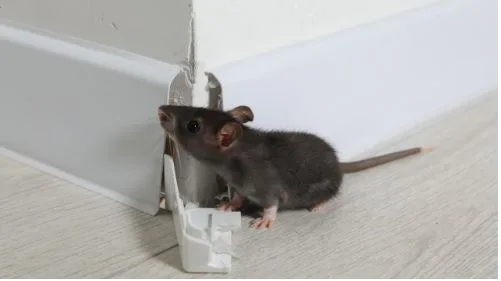
Rodents can become a persistent problem when they find reliable food, water and shelter inside a property. Mice and rats can enter through surprisingly small openings and may remain hidden in roof spaces, wall cavities, cupboards or other areas that are rarely disturbed. Rodent control can help address an established rodent problem while also considering the conditions that may be allowing the activity to continue.
A successful response should look beyond the rodents that are immediately visible. rodent control involves understanding where activity is occurring, identifying possible entry points and considering the factors that may be attracting rodents to the property. Professional assessment can help determine an appropriate approach based on the building and the level of activity.
Homeowners and businesses can also support rodent control by keeping food properly stored, managing rubbish, reducing clutter and checking areas where rodents may gain entry. These measures can reduce favourable conditions, although established infestations may require professional treatment.
Why Rodent Problems Need Prompt Attention
Rodents can become a serious nuisance when they enter homes, businesses or other buildings in search of food, water and shelter. Mice and rats can move through small openings and may establish nests in areas that are difficult to access. Once activity is noticed, addressing the problem promptly can help reduce the chance of the infestation becoming more established and creating additional concerns for the property.
Signs That Rodents May Be Present
Rodent activity is not always immediately obvious. Droppings, gnaw marks, scratching sounds, nesting material and unusual smells can all indicate that rodents may be using a building. Food packaging that has been damaged or evidence of movement around cupboards, storage areas or roof spaces can also warrant closer attention. Identifying signs early can make it easier to investigate where the rodents are entering and where they are active.
Why Rodents Enter Buildings
Buildings can provide rodents with reliable access to food, water and protected spaces. Gaps around doors, pipes, vents, roof areas and other openings can create entry points, particularly when they are not properly sealed. Cluttered storage spaces and accessible food sources can also make an area more attractive to rodents. Reducing these opportunities can form an important part of managing an ongoing problem.
Health and Property Concerns
Rodent activity can create concerns for both hygiene and property condition. Rodents may contaminate areas where food is stored or prepared, while their gnawing behaviour can damage materials and other components. Their presence can therefore be more than an inconvenience, particularly in kitchens, food-related businesses, storage areas and other places where cleanliness is important.
The Importance of Identifying the Source
Removing visible signs of rodents does not necessarily address the reason they entered the property. If entry points remain accessible and food or shelter continues to be available, further activity may occur. A practical response should therefore consider where rodents are entering, what is attracting them and where they are likely to be nesting or moving throughout the building.
Professional Pest Management
Professional pest management can provide a more structured approach when rodent activity has become difficult to control. A pest professional can assess the property, identify signs of activity and determine an appropriate treatment strategy. The specific approach depends on the building, the level of activity and the conditions contributing to the problem, so an assessment is useful before deciding on treatment.
Why Prevention Matters
Prevention is an important part of reducing the likelihood of recurring rodent activity. Keeping food in sealed containers, cleaning spills promptly, managing waste and reducing unnecessary clutter can make a property less attractive to rodents. Sealing suitable gaps and maintaining the building can also help reduce opportunities for rodents to gain access. Regular attention can support rodent control by helping property owners identify signs of renewed activity and address conditions that may encourage rodents.
Rodent Control in Residential Properties
Homes can provide rodents with many of the conditions they need, including food, warmth and concealed spaces. Kitchens, pantries, garages, roof voids and wall cavities can all become areas of concern. Homeowners who notice signs of rodents should investigate the issue rather than assuming that occasional activity will disappear without intervention.
For anyone researching rodent control, Green Pesty provides pest control information and services for common pest problems. Addressing rodent activity promptly, improving property conditions and seeking professional assistance when necessary can help create a cleaner and less attractive environment for rodents.