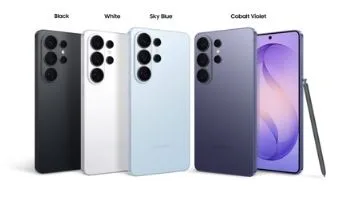
Samsung Galaxy S26 Ultra vs iPhone 17 Pro Max: Key Differences in 2026
In 2026, the flagship smartphone market continues to be shaped by two familiar rivals: Samsung and Apple. At the top of their respective lineups sit the Samsung Galaxy S26 Ultra and the iPhone 17 Pro Max, both designed for users who demand top-tier performance, advanced cameras, and long-term usability.
While both devices represent the pinnacle of their ecosystems, they take notably different approaches. This comparison focuses on real-world usage differences rather than raw specifications alone.
Design and Build Philosophy
At first glance, both smartphones feel unmistakably premium, but their design priorities differ.
The Samsung Galaxy S26 Ultra features a refined Armor Aluminum frame, rounded ergonomic corners, and a large 6.9-inch anti-reflective Dynamic AMOLED 2X display. Samsung’s design places strong emphasis on usability in bright environments and comfort during long viewing sessions.
The iPhone 17 Pro Max, by contrast, adopts Apple’s clean and minimalist design language, paired with a 6.9-inch Super Retina XDR OLED display. It is slightly heavier at 231g, reflecting its solid construction and internal hardware, including advanced camera components.
Key difference:
Samsung prioritizes display visibility and ergonomics, while Apple emphasizes structural solidity and visual consistency across devices.
Display Experience
Both smartphones deliver flagship-level displays, but each excels in different areas.
Samsung Galaxy S26 Ultra
- Dynamic AMOLED 2X display
- Peak brightness up to 2,600 nits
- Anti-reflective coating for reduced glare
- Optimized for outdoor readability
iPhone 17 Pro Max
- Super Retina XDR OLED display
- Peak brightness up to 3,000 nits outdoors
- ProMotion 120Hz adaptive refresh rate
- Excellent color accuracy and HDR performance
Key difference:
The Samsung Galaxy S26 Ultra excels in glare reduction and sustained brightness, while the iPhone 17 Pro Max pushes higher peak brightness and HDR tuning for video playback.
Performance and AI Approach
Performance differences extend beyond raw benchmarks into how each brand approaches AI.
The Samsung Galaxy S26 Ultra is powered by the Snapdragon® 8 Elite Gen 5 for Galaxy processor, customized with enhanced CPU, GPU, and NPU performance. Samsung emphasizes on-device AI, with features such as Photo Assist, Now Nudge, and Privacy Display designed to work efficiently without constant cloud reliance.
The iPhone 17 Pro Max runs on Apple’s A19 Pro chip paired with a 16-core Neural Engine. Apple Intelligence is deeply integrated across the system, enabling contextual writing tools, smarter Siri interactions, and system-wide AI processing with a strong focus on privacy.
Key difference:
Samsung focuses on flexible, task-oriented AI tools, while Apple emphasizes tightly integrated, ecosystem-wide intelligence.
Camera Systems: Different Strengths
Camera performance remains one of the most important decision factors for flagship buyers.
Samsung Galaxy S26 Ultra
- 200 MP Wide camera (ƒ/1.4 aperture)
- 50 MP Telephoto camera with 5× optical zoom
- Up to 100× AI-powered Space Zoom
- Strong low-light and long-range photography
iPhone 17 Pro Max
- 48 MP Pro Fusion camera system
- 4× and 8× optical-quality telephoto options
- Advanced video tools including ProRes, Apple Log 2, and Dolby Vision up to 4K at 120fps
- Industry-leading video stabilization and color science
Key difference:
The Samsung Galaxy S26 Ultra leads in high-resolution photography and extreme zoom, while the iPhone 17 Pro Max remains the benchmark for professional-grade video recording.
Battery Life and Charging
Battery endurance and charging speed differ noticeably between the two devices.
Samsung Galaxy S26 Ultra
- 5,000 mAh battery
- Up to 31 hours of video playback
- Super Fast Charging 3.0 (up to 75% charge in approximately 30 minutes)
iPhone 17 Pro Max
- Up to 37 hours of video playback
- Fast charging up to 50% in around 20 minutes (with higher-watt adapter)
- MagSafe and Qi2 wireless charging support
Key difference:
Apple offers longer video playback time, while Samsung provides faster wired charging and greater flexibility for quick daily top-ups.
Privacy and Security
Both brands place strong emphasis on user privacy, but their approaches differ.
The Samsung Galaxy S26 Ultra introduces the world’s first built-in Privacy Display, physically limiting screen visibility from side angles in public spaces.
The iPhone 17 Pro Max relies on software-based protections, including Face ID, encrypted communications, and strict app tracking controls.
Key difference:
Samsung adds a hardware-level privacy layer, while Apple focuses on software and ecosystem-level security.
Ecosystem and Daily Use
For many users, the choice ultimately comes down to ecosystem compatibility.
Samsung integrates closely with Windows PCs, Galaxy tablets, wearables, and Android services.
Apple offers seamless continuity across iPhone, Mac, iPad, Apple Watch, and AirPods.
Neither ecosystem is objectively better—it largely depends on which devices you already use.
Final Verdict: Which One Is Right for You?
The Samsung Galaxy S26 Ultra is ideal for users who:
- Value high-resolution photography and long-range zoom
- Prefer Android flexibility and customization
- Want advanced privacy features like Privacy Display
- Rely heavily on AI-assisted multitasking
The iPhone 17 Pro Max is better suited for users who:
- Prioritize professional video recording
- Are deeply invested in the Apple ecosystem
- Want long battery endurance with polished software integration
- Prefer Apple’s approach to AI and privacy
Both devices are outstanding flagship smartphones in 2026, catering to different priorities rather than competing purely on raw specifications.
Explore More Samsung Phones
Beyond the Samsung Galaxy S26 Ultra, Samsung offers a wide range of Samsung Phones designed for different usage styles, budgets, and screen sizes. Exploring Samsung’s broader smartphone lineup can help you find the device that best fits your daily needs.