
Scalp and Hair Treatment: Why One Plan Doesn’t Fit Every Scalp
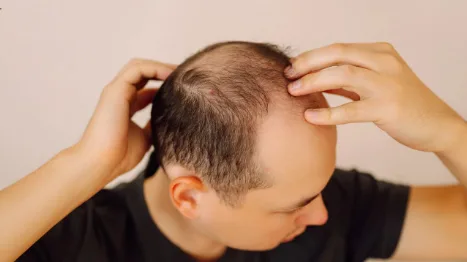
Two people can book the same scalp session and walk away with very different results. One notices a calmer, cleaner scalp within weeks, while the other sees little change. The difference is rarely the treatment itself; it is usually whether that treatment matched the scalp it was used on.
Why the Same Treatment Gives Different Results
The scalp is skin, and like skin elsewhere on the body it varies from person to person. Oil production, sensitivity, hydration and the condition of the hair follicles all differ. A treatment designed to remove heavy oil can leave a dry scalp tight and irritated, while a gentle hydrating routine may do little for a scalp that produces too much sebum.
In Singapore, heat and humidity add another layer. Sweat and oil build up quickly, so many people assume every scalp problem is an oily scalp problem. That assumption leads to plenty of trial and error, and sometimes to routines that make things worse.
Common Scalp Conditions and What They Need
- Oily scalp: needs balancing cleansing and regular removal of buildup without over-stripping, which can trigger more oil.
- Dry or tight scalp: needs gentler cleansing and soothing, hydrating care rather than strong clarifying products.
- Itchy or inflamed scalp: needs the cause identified first, since irritation, flaking and redness can have several triggers.
- Thinning hair: needs attention at the follicle level, with a longer-term plan and progress tracking.
Many people have more than one of these at the same time, such as an oily scalp with thinning at the crown. That combination is exactly why a single standard routine so often falls short.
The Role of Scalp Analysis
A magnified scalp scan shows what the naked eye cannot: oil levels, buildup around the follicle openings, redness and signs that follicles are producing finer hairs. A well-structured scalp and hair treatment begins with this diagnostic step and builds the session around the results. The scan also gives a baseline, so later scans can show whether the plan is working.
Treat the Scalp First, Then the Hair
Hair grows from the scalp, so the scalp’s condition shapes the results of everything that follows. Clearing buildup and calming irritation usually comes first, because follicles struggle in an inflamed or congested environment. Once the scalp is in better shape, a targeted hair growth treatment singapore programme can focus on supporting the follicles themselves.
Home Care Between Sessions
What happens at home matters as much as what happens in the treatment room. A gentle shampoo suited to your scalp type, washing after heavy sweating and avoiding very tight hairstyles all help. For people dealing with hair fall, a leave-on herbal tonic such as hair tonic regrow can be applied daily after washing to support the scalp between professional sessions.
How Often to Review the Plan
A scalp plan should not be fixed forever. Most structured programmes review progress every few weeks with a follow-up scan and adjust the treatment if the scalp has changed. An oily scalp that has become more balanced may need less frequent deep cleansing, while thinning may call for a longer focus on follicle care.
What to Do Next
If you have tried several products or sessions without much change, the issue may be the match rather than the effort. Start with an assessment that explains what your scalp is dealing with, and ask how the plan will be measured. Providers offering hair loss treatment singapore with a diagnosis-first approach can tailor each stage to your scalp. A plan built around your own scalp is far more likely to deliver results you can see.