
Scurdun Token (SRN): The Blockchain Play That Wants to Make Crypto Payments Feel Normal in Everyday Shopping
The Persistent Headaches in Online Retail
Online shopping has become second nature for most of us, yet underneath the slick interfaces and one-click checkouts, plenty of friction remains. Credit card processors still skim hefty fees, disputes can take days or weeks to sort out, and trust often boils down to easily manipulated review scores. Meanwhile, cryptocurrencies have spent years promising disruption but mostly delivered volatility and complicated wallets that scare off regular buyers. What stands out here is how few projects have bothered to tackle the mundane but critical parts—like actually getting a product from a warehouse to your door without turning the whole process into a crypto tutorial. That gap is exactly what makes a token like Scurdun worth a closer look.
Scurdun Token Steps Up as the Everyday Currency
Rather than chasing another meme coin cycle, Scurdun Token (SRN) is positioning itself as the working capital inside a hybrid marketplace that mixes brick-and-mortar retail with digital immersion. The idea isn’t revolutionary on paper, but the execution aims to be: SRN functions as the go-to payment and access token across the entire platform. It’s not just for flashy DeFi plays. Instead, every transaction ties back to real purchases, whether you’re buying sneakers online or exploring a virtual storefront. One thing worth noting is how the team has kept the focus narrow—merchant reputation, fast fulfillment, and low-friction payments—rather than promising the moon with ten different utilities that never quite ship.
On-Chain Reputation That Buyers Can Actually Verify
Dig into the mechanics and the trust mechanism feels refreshingly practical. Scurdun records merchant performance data straight onto the blockchain: delivery accuracy, handling of complaints, product quality scores. Buyers see this history before they commit to a purchase, no more relying on suspiciously perfect five-star reviews. Merchants, knowing their on-chain record is public and immutable, have skin in the game to maintain high standards. At first glance, this might seem like a small detail, yet in an industry plagued by fake reviews and chargeback abuse, it could quietly become a competitive edge. Scurdun Token isn’t hiding behind hype; it’s betting that transparent data will drive repeat business more effectively than any marketing campaign.
Stepping Into the Virtual Mall
Shopping experiences are about to get a lot more engaging once the Virtual Mall launches. Picture slipping on a VR headset—or even using your phone in AR mode—and walking through three-dimensional aisles stocked with products from both big brands and independent sellers. You can rotate items, check fabric textures under different lighting, or chat with an AI assistant about sizing. The whole environment runs on SRN, so payments happen instantly inside the space without popping out to another tab. It’s not just eye candy for tech enthusiasts; the platform plans to link these virtual discoveries directly to physical stock in partnered warehouses. That bridge between digital browsing and real-world delivery is where the project could stand apart from pure metaverse experiments that never quite connect back to the ground.
Scurdun Pay Handles the Heavy Lifting
None of this works without reliable rails underneath. Scurdun Pay serves as the built-in gateway, converting SRN into purchases at minimal fees and with near-instant settlement. Merchants can receive funds in the token itself or have them auto-swapped into stablecoins—whichever fits their cash flow better. Behind the token sits a developing global logistics network designed to move goods from click to doorstep in hours rather than days. It’s the kind of end-to-end system that traditional e-commerce giants have spent years perfecting, but now with blockchain transparency layered on top. Early testing suggests this setup could cut out middlemen costs that currently eat 3-5% on many platforms, though real-world scaling will depend on carrier partnerships that are still coming together.
Liquidity Without the Usual Hassle
A common complaint with niche tokens is that they trap value inside their own ecosystem. Scurdun’s team seems aware of this and built the Currency Exchange Protocol to let holders swap SRN directly for Bitcoin, Ethereum, or major stablecoins right inside the platform. No need to hop over to external DEXs and pay extra spreads. For merchants, this means earnings don’t sit idle waiting for conversion; they can diversify or cash out seamlessly. For regular users, it turns SRN into something you might actually hold longer than a single purchase. The protocol includes slippage guards and liquidity incentives, which should help dampen some of the wild swings that have kept mainstream retailers at arm’s length from crypto payments.
Early Momentum and What the Numbers Show
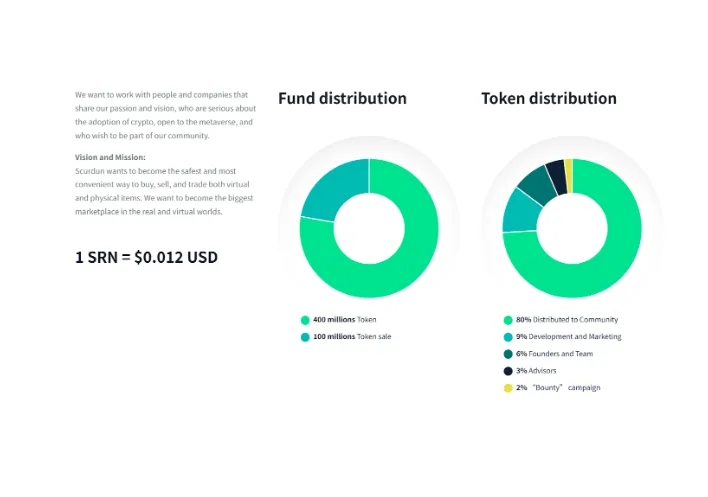
The initial coin offering pulled in more than 31,000 participants at a token price of roughly US$0.012. That’s not headline-grabbing in the broader crypto market, but it points to interest from people who seem genuinely focused on utility rather than quick flips. Community discussions keep circling back to the same practical questions: when will the first merchants go live, how fast is shipping really, and does the VR experience justify the hardware? These aren’t moonboy cheers; they’re the conversations of users testing whether this token can deliver on daily shopping needs. Of course, early adoption metrics can be misleading—plenty of projects start strong only to stall once the initial hype fades.
Realistic Challenges That Can’t Be Ignored
It would be dishonest to paint this as a guaranteed success story. Regulatory pressure on crypto payments is intensifying in several major markets, and building a trustworthy global fulfillment network means navigating customs delays, carrier contracts, and last-mile partners who may still view blockchain as an unnecessary complication. Competition from established players experimenting with their own stablecoin integrations or newer metaverse marketplaces isn’t going away. What stands out here is that Scurdun’s roadmap keeps circling back to measurable deliverables—pilot merchant programs, phased VR releases, and tracked improvements in dispute resolution—rather than vague ecosystem promises. If even a solid portion of these land on time, the token could carve out a genuine niche; if not, it risks blending into the long list of ambitious but under-delivered crypto retail plays.
Why Smaller Brands Might Benefit Most
The bigger opportunity might actually sit with independent retailers and emerging labels rather than the Amazon-scale giants. By combining on-chain credibility, immersive discovery, and easy liquidity, Scurdun gives smaller operations tools they’ve never had at this level. A boutique sneaker brand could set up a virtual storefront, build reputation through transparent metrics, and accept payments that convert effortlessly into cash flow. Everyday shoppers, meanwhile, get the convenience they expect plus the added assurance of blockchain-verified seller history. It’s a subtle shift in power, but one that could matter as consumers grow weary of algorithm-driven marketplaces that prioritize scale over authenticity.
The Quiet Push Toward Mainstream Utility
Ultimately, Scurdun Token is betting that the future of e-commerce won’t belong to whoever builds the flashiest interface, but to whoever makes crypto payments feel boringly reliable. By focusing on trust data, virtual-to-physical fulfillment, and built-in exchange tools, the project is trying to solve problems that actually annoy people today instead of inventing new ones. Whether it scales fast enough to matter remains to be seen, yet the early focus on logistics and merchant incentives suggests someone is at least asking the right questions.
Official website: https://scurdun.com