Seasonal Tasks That Help Keep Your Home in Top Shape
Seasonal maintenance plays a steady role in keeping a home comfortable and dependable. Each season places its own demands on the structure, systems, and outdoor spaces, so consistent attention helps everything run as it should.
A simple plan makes these tasks easier to manage, and homeowners who stay ahead of small issues often avoid larger problems later. Let us elaborate on how these seasonal responsibilities create a steady rhythm of care that keeps every part of the home prepared for shifting weather and daily use.
Spring Checks for a Fresh Start
Spring often reveals signs of wear that develop during colder months, which makes it an ideal time to look closely at key areas of the home. A careful exterior walk-around helps identify loose shingles, damaged siding, or worn walkway surfaces. These issues tend to worsen when ignored, so tackling them early creates a strong foundation for the rest of the year.
Gutters deserve extra attention because leaves and debris can sit inside them throughout winter. Clear pathways help rainwater move away from the home and prevent moisture from settling near the foundation. Windows and doors may shift slightly after months of temperature changes, so checking weatherstripping keeps drafts under control and helps maintain indoor comfort.
Preparing Heating Systems for Fall
Heating systems work their hardest when temperatures start to fall, so early preparation is a smart step. A well-maintained furnace runs more reliably, and early attention reduces the chance of last-minute breakdowns. Homeowners can avoid costly repairs by making it a priority to schedule annual furnace maintenance before the cold season arrives.
A simple filter replacement helps improve airflow and keeps the system from straining. Thermostats should respond quickly when adjusted, and vents need to remain open and free from blockage. These small checks create a more consistent flow of warm air once the season changes. A prepared system usually runs with less noise, fewer surprises, and far better efficiency.
Strengthening Home Safety Before Winter
Safety checks become especially important before winter because longer nights and unpredictable weather test a home’s readiness. Smoke detectors and carbon monoxide alarms should receive fresh batteries, and a quick test confirms they still respond accurately. Fire extinguishers need to stay within reach and show no signs of damage or low pressure.
Emergency exits must open without resistance, and paths around the home should remain free of clutter. A winter storm can interrupt power for short or extended periods, so reliable flashlights and backup batteries help maintain visibility and comfort.
Refreshing Outdoor Spaces for Summer
Outdoor areas benefit from steady preparation before summer heat settles in. Healthy landscaping begins with trimmed shrubs, cleared flower beds, and revived soil. It creates space for new growth and reduces the chance of pests settling too close to the home. Lawn equipment often sits unused through colder months, so a quick check of blades, belts, and fuel helps everything run smoothly.
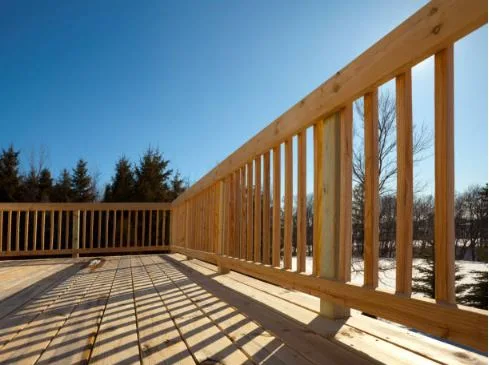
Patios, decks, and outdoor furniture collect dust, pollen, and stains, so early cleaning makes the space more inviting when warmer days arrive. Fences and outdoor lighting deserve a close look as well.
Protecting Plumbing During Temperature Changes
Plumbing systems react to seasonal temperature shifts, and small vulnerabilities can lead to disruptive problems. A quick inspection of faucets, exposed pipes, and hose connections helps reveal loose fittings or minor leaks. Addressing these issues early protects walls, floors, and surrounding areas from water damage.
Temperature swings can stress pipes, especially in older homes. Insulation around vulnerable lines supports steady water flow and helps prevent freezing during colder nights. Water heaters deserve attention as well, since sediment buildup and worn components affect performance. Taking time to evaluate these areas prepares the home for sudden changes in weather and reduces the chance of unexpected plumbing concerns.
Improving Energy Efficiency Through the Year
Energy efficiency depends on small habits and regular attention to areas where conditioned air escapes. A quick check around doors and windows often reveals tiny gaps that allow outdoor air to creep inside. Simple fixes, such as updating seals or adding light caulking, help stabilize indoor temperatures. These steps also lighten the load on heating and cooling systems.
Insulation plays a steady role in overall comfort, so attics and crawl spaces should stay well-padded. Thin or shifted insulation allows heat to gather in unexpected areas, which raises energy use and creates uneven temperatures inside the home. Clean vents and exhaust fans support consistent airflow, and smooth airflow encourages systems to perform as intended.
Caring for Appliances Before Peak Use
Major appliances last longer when they receive seasonal care. Refrigerators benefit from clean coils and steady temperatures, so removing dust from the back or bottom section supports smoother operation. Washers and dryers rely on hoses, vents, and internal filters that weaken with time. A short inspection reveals early signs of wear, and simple replacements help prevent leaks or clogs.
Dishwashers often collect residue that interferes with washing performance. A deep clean of the filter and spray arms restores proper function and keeps dishes consistently clean. Manufacturer guidelines usually highlight recommended maintenance tasks, and following these suggestions strengthens reliability.
Checking Exterior Features After Harsh Weather
Weather shifts throughout the year test exterior surfaces and structural features. A close look at the foundation helps identify cracks or gaps forming near the edges. These small openings often grow when ignored, so early repair protects the stability of the home. Paint and caulking also deserve a thorough check. Peeling areas or narrow splits around trim create opportunities for moisture to settle where it doesn’t belong.
Hardware on doors, gates, and railings can loosen after exposure to wind or heavy rain. Tightening screws and replacing worn pieces make these features safer and more dependable. Storms often push debris into drainage paths, so a quick cleanup helps channel water away from the property.
Seasonal tasks shape the long-term health of a home, and steady attention throughout the year creates a more comfortable and efficient living environment. Simple routines help catch issues before they escalate, and every small effort contributes to a stronger structure and smoother daily life.
A yearly checklist keeps responsibilities organized and encourages a proactive mindset. Homeowners who follow this approach often enjoy greater peace of mind, fewer interruptions, and a home that stays in dependable shape from season to season.