Senior Living in Charleston, SC: A Guide for Lowcountry Families
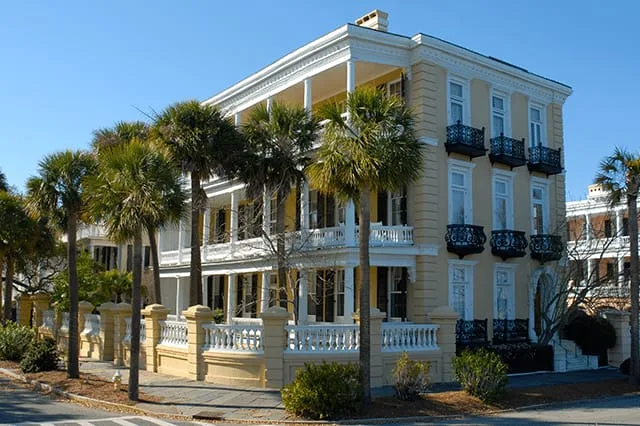
The Charleston Lowcountry has long drawn people with its warm climate, coastal beauty, and unhurried Southern charm — and increasingly, it’s a place where families are navigating one of life’s hardest decisions: finding the right care for an aging parent. If you’re beginning to explore senior living in the Charleston area, the number of options and the unfamiliar terminology can feel overwhelming. Understanding the local landscape, the levels of care available, and the questions that matter most will help you make a confident, well-informed choice for someone you love.
Charleston’s Growing Senior Population
South Carolina is aging faster than much of the country. Roughly 19% of the state’s residents are 65 or older — above the national average — and demographers project that the senior share will keep rising for decades as retirees continue moving to the coast. The Alzheimer’s Association reports that more than 112,000 South Carolinians aged 65 and older are living with Alzheimer’s, supported by an estimated 219,000 unpaid family caregivers across the state. As the Lowcountry’s population grows and ages, the demand for quality senior care in and around Charleston is climbing quickly — which means families have more choices than ever, but also more decisions to weigh carefully.
Understanding Your Options
“Senior living” is an umbrella term that covers several distinct levels of care, and knowing the differences is the essential first step. Independent living suits active seniors who want community, amenities, and convenience without daily help. Assisted living supports those who remain largely independent but need a hand with daily activities such as bathing, dressing, and medication management. Memory care provides secure, specialized support for people living with Alzheimer’s or another dementia, with trained staff and structured routines. And transitional or respite care offers short-term support after a hospital stay or to give a family caregiver a much-needed break. Matching the level of care to your loved one’s actual needs — rather than to a single label — is what leads to the right decision.
What Makes Lowcountry Senior Living Distinct
Senior living in the Charleston area carries a character all its own. The mild coastal climate means residents can enjoy gardens, porches, walking paths, and outdoor gatherings for much of the year, which supports both physical activity and social connection. Local communities tend to reflect the region’s deep sense of family, hospitality, and rootedness, and many draw residents from the surrounding towns — Summerville, Mount Pleasant, Goose Creek, North Charleston, and Moncks Corner among them. For families, choosing a community close to home means a loved one can stay near familiar surroundings, longtime friends, their faith community, and the people who matter most — a continuity that makes the transition far gentler.
Understanding the Cost of Care
Cost is understandably one of the first questions families ask, and it varies widely depending on the level of care, apartment size, and how a community structures its pricing. The most important thing to understand is the difference between all-inclusive pricing and tiered or à la carte models. Some communities advertise a low base rate and then add fees as a resident’s needs increase, which can make budgeting stressful and unpredictable. Others fold care into one transparent monthly rate. When comparing options, ask precisely what the quoted price covers today, what triggers an increase, and how costs change if your loved one’s needs grow — so there are no painful surprises down the road.
What to Look For — and What to Ask
As you compare communities, look well beyond the brochure. Ask about staff training and turnover, medication management, dining, activities, and how the community responds when a resident’s care needs change over time. Safety deserves particular attention: the CDC notes that falls are the leading cause of injury among adults 65 and older, so single-level layouts, accessible design, and reliable emergency-call systems are well worth prioritizing. Above all, tour in person, ideally more than once, and pay close attention to the small things — whether residents seem engaged and content, and whether staff greet people warmly and by name.
Finding the Right Fit
The best way to understand any community is to visit, ask your questions, and picture your loved one actually living there. Families comparing assisted living Charleston SC communities often find that the right choice becomes clear once they’ve walked the halls, shared a meal, and met the caregivers who would be part of their loved one’s daily life. Take your time, involve your parent in the decision wherever possible, and trust both what you learn and how a place makes you feel during a visit.
Choosing senior living in the Charleston Lowcountry is a deeply personal decision, but it doesn’t have to be overwhelming. By understanding your options, asking the right questions about care and cost, and prioritizing safety, connection, and transparency, you can find a community where your loved one feels genuinely at home — and where your whole family can finally find peace of mind.