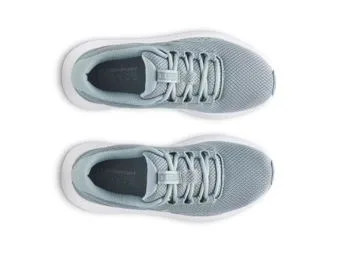
Shoes for Women: A Performance-First Guide to Choosing the Right Pair
Women’s fitness today is wonderfully mixed—walks, runs, strength days, dance cardio, weekend sport, and the occasional “I’ll do everything” HIIT class. In that reality, Shoes for Women can’t be a one-size-fits-all buy. The right pair reduces fatigue, improves stability, and keeps movement confident—especially when heat and rain can change traction and comfort fast.
This guide is built to be buying-ready: match your workouts to the right shoe behaviour, understand the tech that changes the feel, and avoid the common fit mistakes.
1) Pick your primary use (because “gym + running” is not one category)
Choose the shoe for what you do most:
- Strength + HIIT: stable base + lateral support + close-to-ground control.
- Running (road/treadmill): responsive cushioning + smooth transitions + breathable upper.
- Court + agility drills: lockdown + grip for quick cuts and deceleration.
- Walking + all-day wear: comfort, toe room, cushioning that doesn’t feel “mushy” after hours.
If you genuinely do everything, buy training-first for stability—and keep a separate running pair once you’re consistent.
2) The tech that actually changes the ride
UA Flow: light, rubberless, close-to-the-ground speed
UA Flow is described as an “all-in-one cushioning and sole system” that’s totally rubberless, built for a light, close-to-the-ground feel and stable traction.
Best for: faster runs, agility, mixed sessions where weight and grip matter.
UA HOVR™: energy return with impact absorption
UA HOVR™ cushioning is positioned around returning energy (a springy feel) while helping absorb impact, so your legs stay fresher deeper into runs and cardio-heavy workouts.
Best for: daily running, longer cardio blocks, comfort without losing responsiveness.
Charged Cushioning®: a “responsive” midsole for mixed loads
Under Armour positions Charged Cushioning® as a midsole that responds to your level of activity and is extra responsive on high-impact loads like fast runs, heavy lifts, and HIIT-style workouts.
Best for: one-shoe days where you mix cardio and gym work.
UA TriBase™: stability for lifting and multi-directional work
UA TriBase™ is built around a 3-point touch system to support grip and balance—useful when you’re driving force into the floor during lifts and lateral drills.
Best for: strength training, functional fitness, HIIT with side-to-side moves.
3) Fit checks that prevent blisters and “dead” sessions
Your best size is the one that performs—not the one you always buy. Quick checks:
- Toe room: Leave about a thumb’s width for running.
- Heel lock: heel should feel anchored (heel slip = hotspots and instability).
- Midfoot: secure, not crushed; toes should still wiggle.
- Try later in the day: feet swell—evening fits are more realistic.
Mini test in-store (or at home): mini squat → short jog in place → lateral shuffle. If the shoe feels unstable, restrictive, or “slappy” on the ground, it won’t improve during a real workout.
Foot type tweaks (small changes, big comfort)
- High arches: You’ll usually prefer more underfoot cushioning and a smoother ride for longer sessions.
- Flat feet: prioritize a stable platform and uppers that hold the midfoot confidently during fatigue.
- Wide forefoot or toe sensitivity: check that the toe box allows natural toe splay; cramped toes can ruin both runs and lifting days.
4) Match the shoe to the session
For strength + HIIT (platform first)
Look for:
- A stable base and strong grip (TriBase is designed around this idea)
- Lateral support for lunges, skaters, burpees, and quick transitions
- A firm heel area for squats and deadlifts
If HIIT includes short runs, accept the trade-off: training shoes won’t feel as plush as dedicated running shoes—but they keep you safer under load.
For running (daily miles to speed work)
Look for:
- A cushioning feel you enjoy (Flow’s connected feel vs HOVR’s springy return)
- Breathable uppers that move heat out (big in Indian summers)
- Traction you trust when roads are damp or dusty
If your week mixes easy runs + faster intervals, pick a shoe that feels stable at slower paces and doesn’t feel bulky when you speed up.
For agility and court-style conditioning
Look for:
- A supportive upper for containment (Warp-style support is one approach)
- Outsole grip that bites during cuts
- Cushioning that softens repeated stops/starts (deceleration stress is real)
5) Durability and comfort details people overlook
A shoe can feel great on day one and still fail fast if the build doesn’t match your routine. Before you commit, check:
- Outsole wear zones: if you drag toes or run on rough roads, look for tougher wear areas.
- Toe protection: reinforced toe zones help when you train outdoors or do burpee-heavy circuits.
- Upper irritation points: smoother internal construction generally means fewer hotspots—especially in humid weather.
Durability isn’t just “long life”—it’s consistent stability. A shoe that loses structure early can start feeling sloppy even if the outsole still looks okay.
6) India-specific factors that matter more than the marketing photos
- Heat + humidity: ventilation is performance. A breathable upper and the right socks can dramatically change comfort.
- Monsoon + dust: traction and stability are non-negotiable. A shoe can be “soft” yet still feel unsafe if it slips on dusty tiles.
- Busy schedules: if you can buy only one pair, choose a stable trainer that can also handle brisk walking and short runs—then upgrade to a run-specific pair when running becomes regular.
7) 2026 Style Trends
Sport-to-street versatility is the big theme: bright retro pops, earthy neutrals, calm pastels, and reflective/metallic accents. If you want one pair that works beyond the gym, choose a colourway that matches your most-worn outfits.
8) Care that keeps the shoe feeling consistent
Air-dry away from harsh heat, clean grit after wet runs, and rotate pairs so midsoles rebound. Those habits protect traction and cushioning.
Closing: Buy with clarity, not hype
The best Shoes for Women are the pair that matches your primary training, fits your foot, and stays trustworthy in your real conditions. Choose for platform stability, cushioning behaviour, and upper containment—then your workouts become more repeatable.